
Last updated October 30, 2026
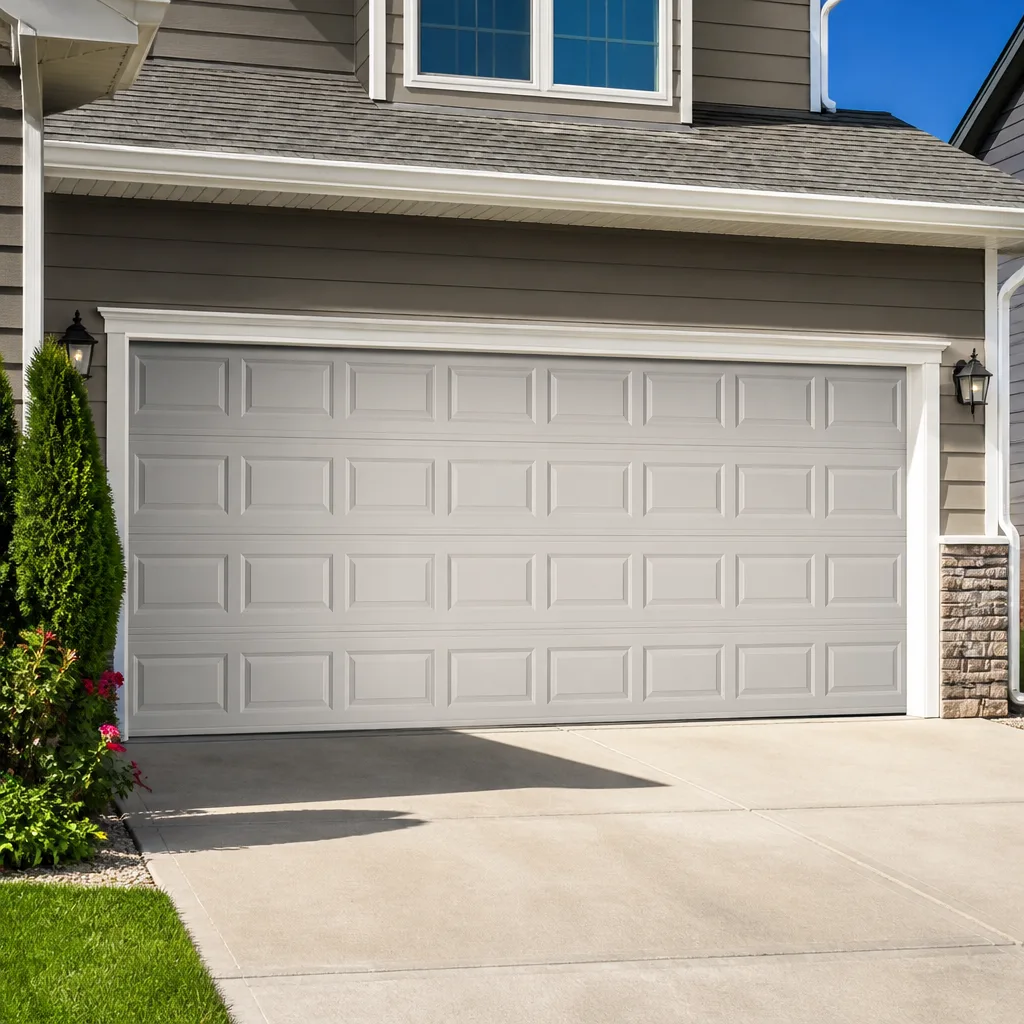 Raised-panel steel
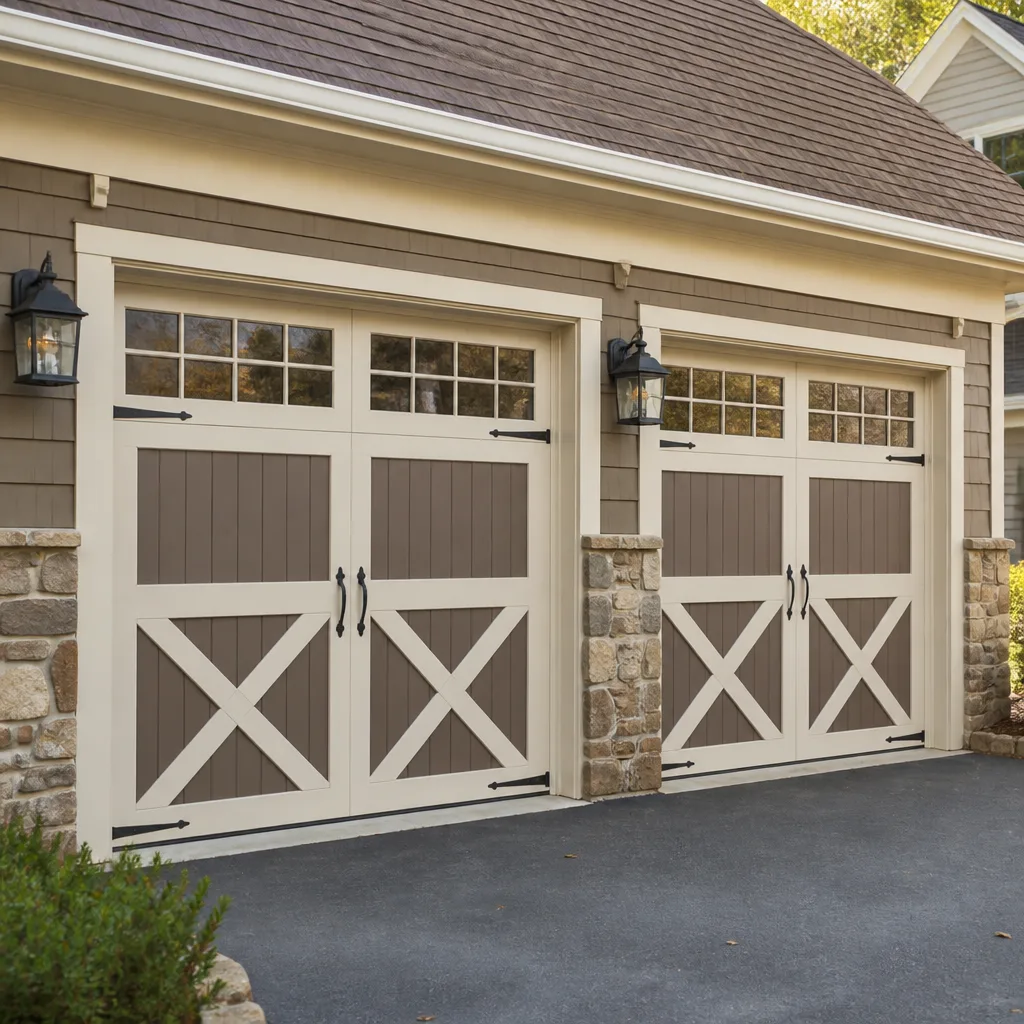 Carriage house
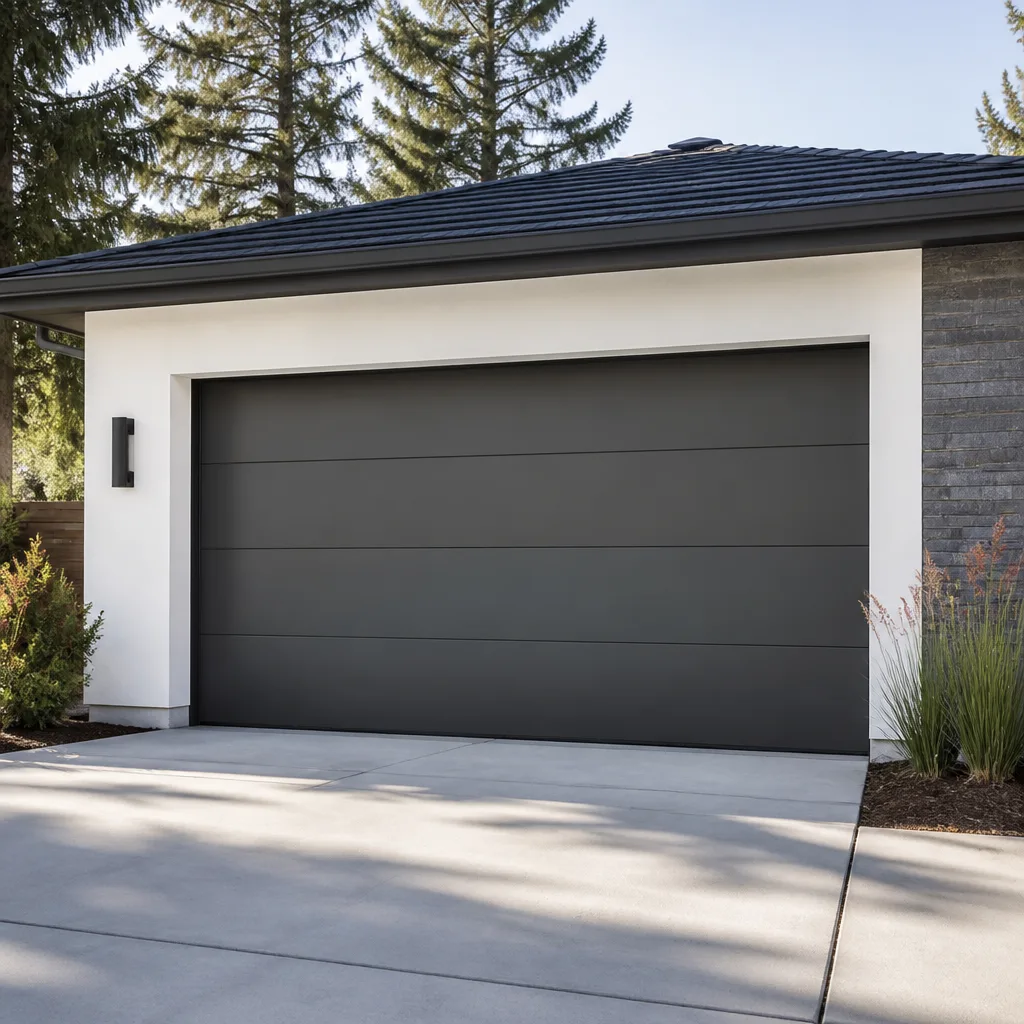 Modern flush
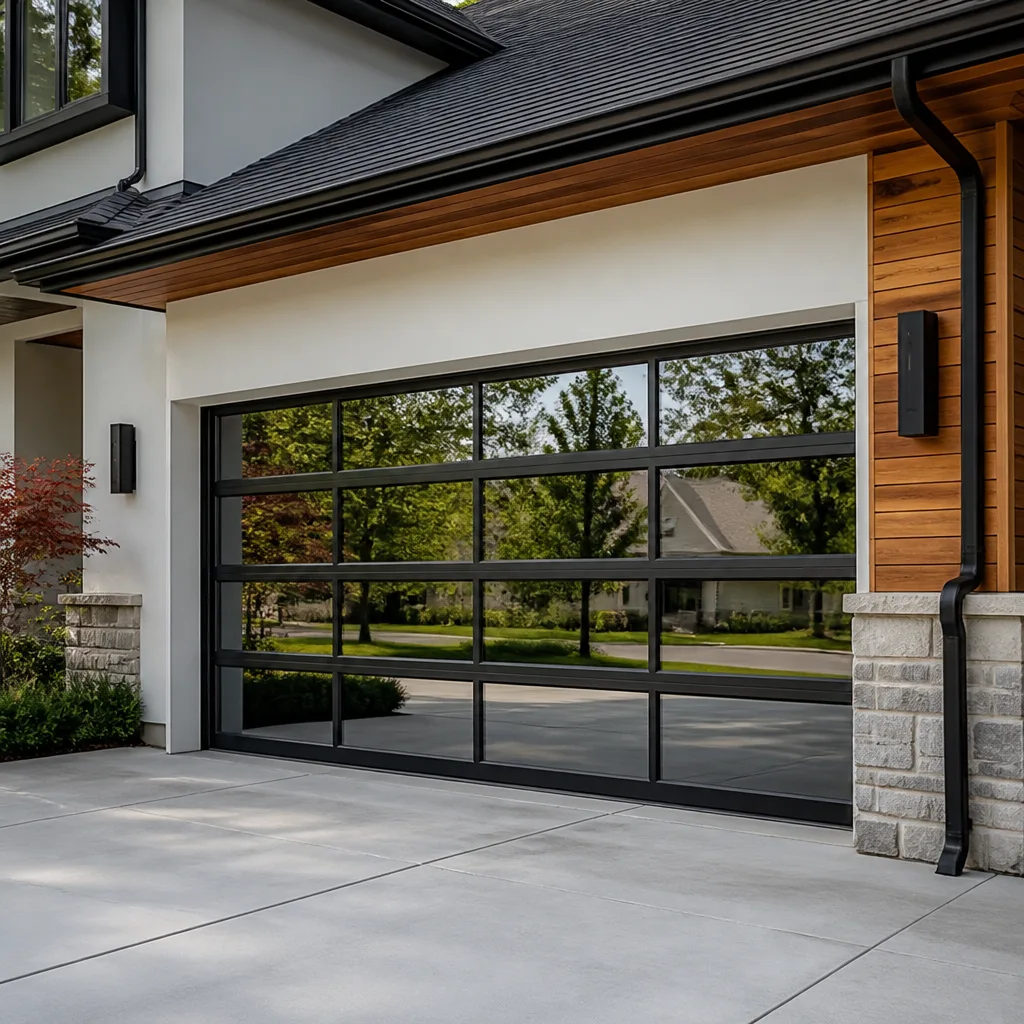 Full-view glass
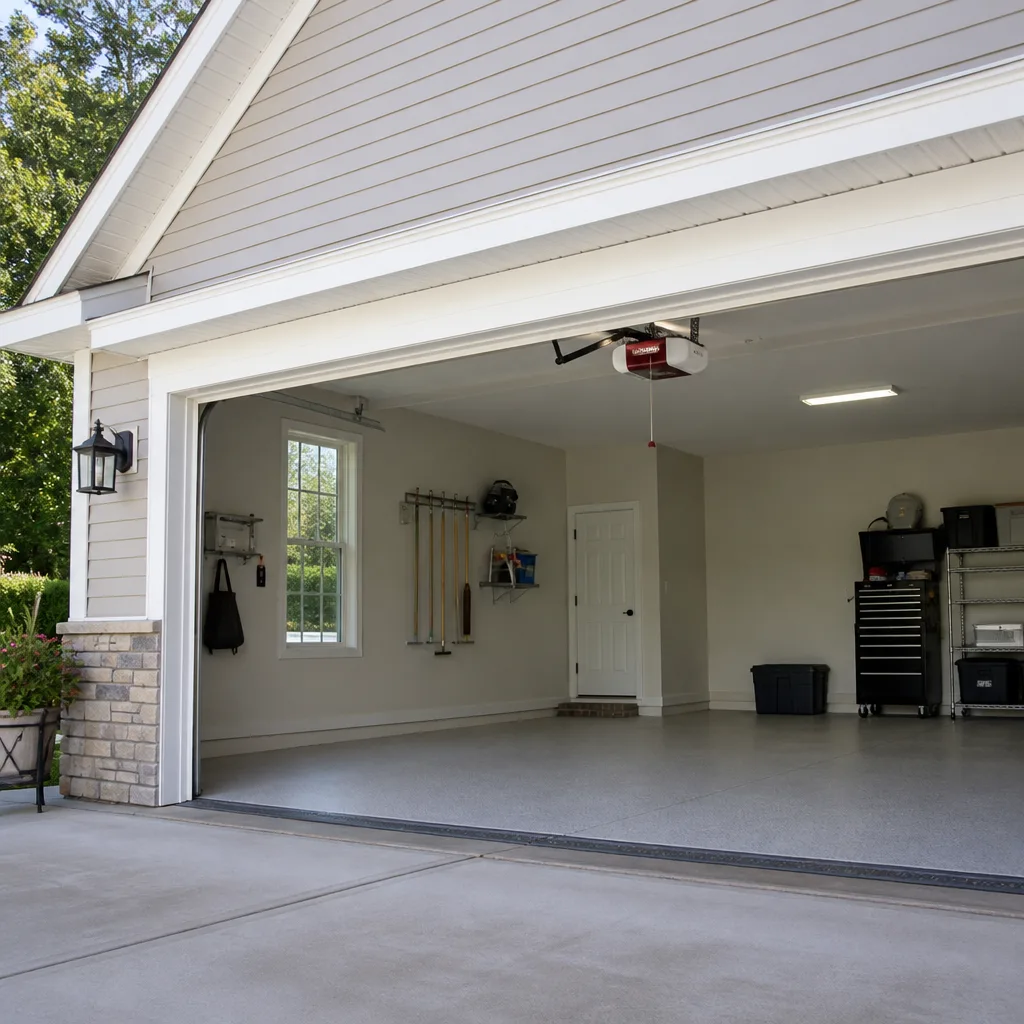 LiftMaster openers
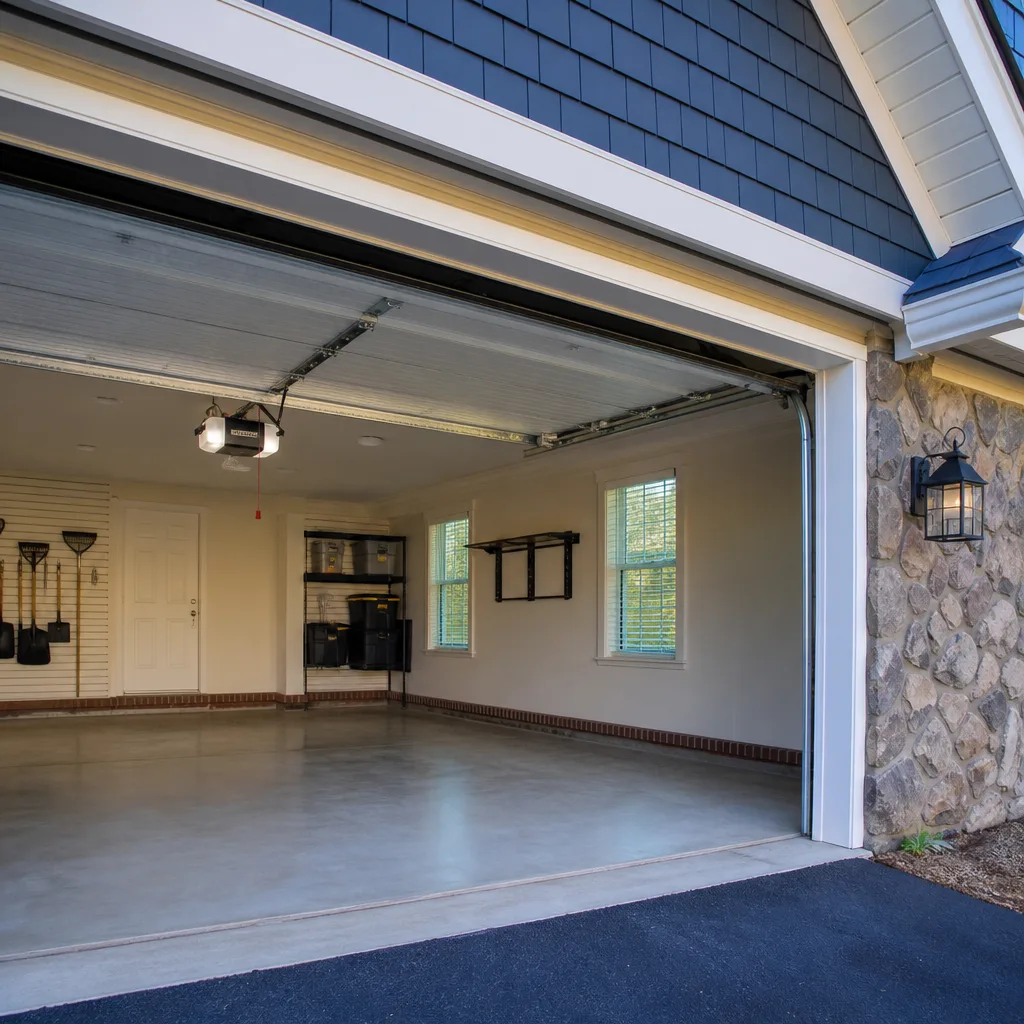 Chamberlain openers
Full 25-point door and opener safety check with every visit - springs, cables, rollers, tracks, and your LiftMaster or Chamberlain opener included
You get a price before we start. It does not change when the truck arrives.
Get your free estimateChoosing the Right Garage Door Brand: A Buyer’s Guide for Miami
Most Miami homeowners choose a garage door brand the way they choose a car brand – by reputation, looks, and whatever their neighbor happens to have. That approach works fine in Ohio. It fails in Miami, where a garage door is genuinely structural equipment. Your door is the largest opening in your house during a hurricane, and the brand you pick determines whether you can get a replacement torsion spring on a Tuesday or wait three weeks for a special order while your car sits outside. This guide evaluates garage door brands on the criteria that actually matter in South Florida: code compliance, material performance in salt air, and long-term parts availability. For a deeper dive into keeping your door functional year-round, see our Complete Garage Door Repair Guide for Miami Homeowners.
Styles & brands we work with
Quick Answer
The best garage door brand in Miami is the one with a Miami-Dade NOA-approved model that fits your home’s wind load requirements, uses materials suited to salt air, and has local parts support when something breaks. For most Miami homes, that means looking at manufacturers like Clopay, Amarr, Wayne Dalton, and Raynor – but the specific model matters more than the brand name. Before you buy, verify the Notice of Acceptance number, the design pressure rating, and whether a local technician can source parts same-week.
Table of Contents
- Why Brand Choice Works Differently in Miami
- The NOA Factor: What It Is and Why It Filters Brands Fast
- Brand-by-Brand Breakdown for Miami Homes
- Material Performance in Salt Air and Sun
- Parts Availability and the Service Network Question
- How to Verify a Specific Model’s Miami-Dade Compliance
- The Long-Term Cost of Captive Dealer Networks
- Common Mistakes to Avoid
- When to Call a Professional
- Frequently Asked Questions
- The Bottom Line
Why Brand Choice Works Differently in Miami
Miami is one of the only markets in the country where a garage door purchase is regulated at the product level. Miami-Dade County maintains its own building code separate from the Florida Building Code, and it requires that certain building envelope products – garage doors included – carry a Notice of Acceptance, or NOA. An NOA is a product-specific certification that a door model has been tested and approved to withstand the wind pressures and missile impacts expected in this region. A garage door without an NOA may be perfectly legal in Tampa or Orlando and completely unpermitted in Miami.
This single requirement eliminates a meaningful share of the national garage door market. Some manufacturers simply don’t submit their full product lines for Miami-Dade testing because the engineering and testing costs are substantial, and the Miami market, while large, doesn’t justify it for every product they make. The practical result: the brand you liked in a showroom in another state may not even be an option for a permitted installation here.
Miami also imposes performance demands that other climates don’t. A door that spends 15 years on a house in Charlotte faces rain and some wind. The same door in Coconut Grove faces salt-laden humidity, direct tropical sun, and the occasional hurricane-force wind event. Hardware corrodes faster. Springs fatigue under the load of a reinforced door. Rollers wear in the grit that finds its way into the tracks. Brand selection in Miami isn’t about picking the prettiest panel – it’s about picking a manufacturer whose engineering holds up under conditions that genuinely test the product.
And then there’s the service question. A garage door is a mechanical system with moving parts that fail. Springs break. Cables fray. Opener logic boards burn out. When that happens, you want a technician who can show up with the right part the same day, not order it from a warehouse in Indiana and come back in two weeks. Some brands have deep parts distribution in South Florida. Others don’t. That difference shows up every time a spring breaks.
We’ve been repairing and installing garage doors across Miami for years, working on everything from 1980s Wayne Dalton steel doors to current-generation Amarr insulated models. What we’ve learned is that the brand name matters less than three things: whether the specific model is Miami-Dade approved, whether the materials are right for the exposure, and whether the brand has a service ecosystem that keeps your door operating long after the install. This guide walks through all three.
The NOA Factor: What It Is and Why It Filters Brands Fast
Before we compare brands, we need to explain the Notice of Acceptance system, because it’s the single most important filter for any Miami garage door purchase. If you understand this, you’ll be ahead of most people shopping for a door in this market.
A Notice of Acceptance is issued by the Miami-Dade County Product Control Division. It certifies that a specific product model – not a brand, but an exact model – has passed testing for structural wind loads and impact resistance required by Miami-Dade County code. The testing protocol involves firing a 9-pound 2×4 at the door at roughly 34 miles per hour, then subjecting the door to thousands of cycles of positive and negative wind pressure. The door has to survive without a breach.
Here’s the part most buyers miss: an NOA applies to a specific model and configuration, not to a manufacturer’s entire catalog. Clopay may hold NOAs for 30 of its door models. That doesn’t mean every Clopay door is Miami-Dade approved. The model you’re quoted in a showroom may carry an NOA in its 16×7 configuration but not in the 18×8 size you actually need for your home. This is why you can’t shortcut the process by saying “I’ll buy a Clopay” or “I’ll buy an Amarr.” You have to verify the exact model number, exact size, and exact wind load rating against the county’s current approval database.
Let’s talk about which manufacturers engage seriously with this system. Amarr and Clopay hold the largest libraries of NOA-approved models among national steel door manufacturers. Both companies have invested heavily in Miami-Dade certification across their residential steel and aluminum lines. Wayne Dalton also maintains a meaningful set of approved models, though their catalogue is more selective – certain product lines are approved, while others are not. Raynor holds approvals across its commercial-oriented steel line, some of which carries over to residential applications.
There are also manufacturers who take a more limited approach to the Miami-Dade market. Some brands certify only their high-end architectural doors and skip their volume residential lines, effectively conceding the mid-market to the companies above. Others don’t pursue NOA approval at all for certain materials – wood composite doors, for instance, have a much thinner field of approved options than steel and aluminum.
Here’s what this means for your buying process, step by step:
- Identify your home’s wind load requirements. Miami-Dade assigns wind speed ratings based on your property’s location and exposure category. A house in a coastal zone with open exposure (think Key Biscayne or a canal-front lot in Palmetto Bay) has a higher required design pressure than a house in an inland subdivision with tree cover. Your installer should calculate this before quoting a door. If they don’t, walk away.
- Shortlist models that are approved for that wind load. Once you know your design pressure requirement – typically expressed in PSF, or pounds per square foot – you can cross-reference it against manufacturer NOA lists. Every NOA includes the approved design pressures for the tested sizes. You’re looking for a door rated at or above your home’s requirement.
- Verify the NOA is current and active. NOAs have expiration dates and are periodically re-evaluated. The Miami-Dade Product Control Division maintains a searchable online database. You or your contractor should check the NOA number there. If the NOA has lapsed or been withdrawn, the door isn’t compliant regardless of what a showroom salesperson says.
- Match the full installation spec. An NOA doesn’t just cover the door panel. It covers the complete installed assembly – tracks, mounting hardware, fasteners, and anchoring. If a contractor installs an approved door panel with unapproved tracks or undersized lag bolts, the installation is non-compliant, and an inspector can flag it. This is one of the reasons we emphasize using a technician who actually understands Miami-Dade installation requirements rather than a general handyman.
The NOA system is the great filter in the Miami market. It eliminates brands and models quickly, and it redirects the conversation from “which brand is best?” to “which approved model fits my home’s engineering requirements?” That’s the right question.
Brand-by-Brand Breakdown for Miami Homes
Now let’s talk about the brands you’ll actually encounter when shopping for a garage door in Miami. This is not a ranking – the right brand depends on your home, your budget, and your priorities. What follows is an honest assessment of each major manufacturer’s position in this specific market.
Amarr
Amarr is one of the strongest players in the Miami market, and for a specific reason: they’ve pursued Miami-Dade NOA certification across a broad swath of their product line. Their Classica and Heritage steel collections include multiple NOA-approved models at residential price points, which is not true of every national brand. Amarr’s steel doors are manufactured with a multi-step paint system that holds up reasonably well in coastal sun, and their insulated models use a polyurethane core that provides real structural rigidity – a meaningful benefit when a door is engineered for hurricane wind loads.
From a servicing standpoint, Amarr parts are generally accessible. Their distribution network reaches South Florida through multiple channels, and common replacement components – bottom seals, hinges, brackets – are usually available without a long special-order wait. That matters in Miami, where a failed bottom seal means water intrusion during the next storm season.
The main limitation with Amarr is aesthetic range. They’re a steel-first manufacturer, and while their style options are decent, they don’t offer the breadth of custom architectural options that some homeowners in neighborhoods like Coral Gables or Pinecrest are looking for. If you want a truly custom wood-composite door with glass inlays and architectural hardware, Amarr may not be your first stop. See our Complete Guide to Garage Door in Miami for help matching materials to your neighborhood’s style.
Wayne Dalton
Wayne Dalton has an interesting split personality in the Miami market. Certain product lines – particularly their commercial steel and their higher-end residential models – carry NOAs and perform well. Other parts of their residential catalogue, especially some of the lighter steel and steel-foam composite doors, don’t have the same depth of Miami-Dade approval.
Wayne Dalton’s signature engineering feature is their TorqueMaster spring system, which encloses the torsion spring inside a tube rather than exposing it on a shaft above the door. There are real safety benefits to that design – an enclosed spring is harder for a kid to reach, and a spring failure is contained. There’s also a servicing consideration: TorqueMaster springs require brand-specific components and a technician who knows the system. If your installer or repair person doesn’t deal with Wayne Dalton regularly, they may not stock those parts.
For Miami buyers, Wayne Dalton is worth considering if you find an approved model that fits your wind load and you’re working with a company that services the brand regularly. We work on Wayne Dalton doors across Miami, and the brand’s product quality is generally solid. The key is verifying the exact model’s NOA, because the approval map across their product line is uneven.
Raynor
Raynor is a smaller player in the residential market than the others on this list, but their commercial and heavy-residential steel doors have a genuine following in South Florida. Raynor’s approach to Miami-Dade compliance has been to focus on their heavy-gauge steel and aluminum lines, where the testing investment pays off. Their residential catalogue includes approved models, though the selection is narrower than Amarr or Clopay.
The advantage of Raynor is durability. Their doors are built with heavier gauge steel than typical residential products, and their hardware quality is respected among installers who deal with high-wind environments. The trade-off is weight – a heavier door puts more strain on springs, tracks, and the opener over time. That isn’t a knock; it’s a system-level consideration that your installer should account for when specifying the spring and opener package.
Parts for Raynor doors are available in South Florida, though not as broadly stocked as the big two steel brands. If you choose a Raynor door, make sure you’re working with a company that has a relationship with Raynor distribution. Otherwise, a repair could mean a longer-than-expected wait.
Craftsman (Openers)
Craftsman deserves a mention here because of how often we encounter Craftsman openers in Miami garages. Sears sold an enormous volume of Craftsman garage door openers through the 1990s and 2000s, and many of those units are still running – or trying to. Craftsman openers are generally built on the Chamberlain platform, which means parts are interchangeable across the Craftsman and Chamberlain lines in many cases.
The practical implication for Miami homeowners: if your Craftsman opener fails, you’re not stuck. The parts ecosystem exists, and we repair Craftsman openers regularly. Replacement parts – circuit boards, gears, sensors, remotes – are available through standard distribution channels. In many Miami homes built between 1990 and 2015, a Craftsman opener is the original unit, which means it’s nearing or past its design life. When it fails, a brand-agnostic technician can either repair it economically or replace it with a modern smart opener without you having to change tracks or door hardware.
Material Performance in Salt Air and Sun
Brand choice and material choice are intertwined, but material performance deserves its own section because the Miami climate punishes materials in ways that aren’t immediately obvious when you’re looking at showroom samples.
Steel: The Default Choice, With Caveats
Steel is the most common garage door material in Miami, and for good reason: steel doors are strong, relatively affordable, and available in more approved models than any other material. A 24-gauge or 26-gauge steel panel door with a polyurethane core is the workhorse of the South Florida market.
But steel has a failure mode in this climate, and it’s corrosion. Miami’s salt air accelerates rust on any steel surface where the protective coating is compromised. Scratches, dents, edge wear, and hardware penetrations all become corrosion initiation points. We’ve seen steel doors in Key Biscayne that developed visible rust blooms around hinge attachments within five years of installation, while the same door model on an inland home in The Hammocks showed no corrosion after a decade.
The defense against corrosion is the quality of the manufacturer’s coating system. Amarr and Clopay both use multi-stage paint and primer systems that perform better than the single-coat finishes on budget steel doors. The difference shows up most at the bottom edge of the door, where standing water sits after a Miami rain. That’s where corrosion starts, and that’s where you’ll see the quality gap between manufacturers.
Aluminum: The Salt-Air Advantage
Aluminum has a natural advantage in coastal environments: it doesn’t rust. Aluminum forms a stable oxide layer that protects the underlying metal, which is why aluminum doors are disproportionately popular in beachfront communities like Surfside and Golden Beach. Aluminum is also lighter than steel, which means less strain on springs and hardware over the life of the door.
The trade-off is structural strength and cost. Aluminum is a softer metal than steel, so achieving a given wind load rating requires thicker sections and more engineering. That pushes the price up. Aluminum doors in Miami-Dade approved configurations are typically the most expensive option per square foot of door, which limits them to homeowners who prioritize corrosion resistance or who want the clean sightlines of a full-view aluminum door.
Full-view aluminum doors – the glass-heavy designs that dominate modern Miami architecture – are a significant segment of the high-end market. Raynor and Amarr both manufacture full-view aluminum products with Miami-Dade approvals. These doors are genuinely expensive, but for a modern home in a coastal exposure category, aluminum is often the right engineering choice.
Fiberglass and Wood Composite: Limited in Miami
Fiberglass garage doors exist, but they have a specific limitation in this market: UV degradation. The Miami sun is relentless, and fiberglass panels exposed to direct afternoon sun will fade, chalk, and eventually develop surface crazing. Some manufacturers offer UV-stabilized gel coats that slow the process, but fiberglass remains a niche choice here.
Wood and wood-composite doors are beautiful, and South Florida has plenty of them in older neighborhoods. But wood requires maintenance in this climate – annual resealing, prompt attention to any finish breach, and vigilance around the bottom edge where moisture wicks up. For a Miami homeowner who wants the wood look without the maintenance, a steel door with a wood-grain finish is usually the better choice. Several steel manufacturers offer wood-look finishes that are convincing enough to pass at a glance and require none of the upkeep.
The table below summarizes the material trade-offs for Miami specifically:
- Steel: Best value, widest approved model selection, but requires good coating quality and prompt attention to scratches in coastal zones.
- Aluminum: No rust, ideal for salt-air exposure, but premium priced and requires more engineering for high wind loads.
- Fiberglass: Available from limited manufacturers, but sun degradation limits its practical life in Miami.
- Wood composite: Beautiful but maintenance-intensive in Miami’s heat and humidity; fewer NOA-approved options than steel or aluminum.
Parts Availability and the Service Network Question
Here’s the question almost nobody asks when buying a garage door, and it’s the one that determines whether you’ll be happy or miserable five years from now. It’s also the core tension in our DIY vs Professional Garage Door: The Miami Homeowner’s Decision Guide: can I get parts for this brand in Miami without waiting three weeks?
Every garage door will eventually need something. Springs snap. Cables wear through. Bottom seals crack and let rain in. Opener motors burn out. Opener logic boards fail after a lightning strike – and Miami gets an extraordinary amount of lightning. When any of those things happen, the repair timeline depends on parts availability, and parts availability varies dramatically by brand.
Amarr and Clopay have the deepest parts distribution in South Florida. Common components – torsion springs, extension springs, hinges, rollers, bottom seals, struts – are stocked by local distributors and available same-day or next-day for most models. That’s a real advantage when your car is trapped in the garage. Wayne Dalton has parts distribution too, but their proprietary components (like the TorqueMaster spring system) require ordering from brand-specific channels, which can add a day or two. Raynor parts are generally available but through a narrower dealer network.
This is where brand-agnostic service matters. A company that only installs one brand and only stocks that brand’s parts will tell you to replace your door when a different brand fails. A company that works across eight major manufacturers – LiftMaster, Chamberlain, Genie, Clopay, Amarr, Wayne Dalton, Craftsman, and Raynor – can usually repair what you already have. At Kingsway Garage Door, we’d rather fix your existing door than sell you a new one. That’s not a marketing line; it’s the economic reality of our business model. We make money on honest diagnostics and skilled repair, not on pushing replacements.
When you’re choosing a brand, ask this question of your installer: “If this door breaks in five years, can you get the parts here in Miami?” If the answer is vague, choose a different brand or a different installer.
The opener side has similar considerations. LiftMaster and Chamberlain share a parts platform, and their myQ smart-home ecosystem is the most widely supported in Miami. Replacement circuit boards, wall consoles, safety sensors, and remotes are broadly stocked. Genie openers are similarly serviceable, with Aladdin smart-home compatibility and parts available through Genie distribution. If you’re replacing an opener, both platforms are safe choices in this market – the decision comes down to features and your existing smart-home setup.
How to Verify a Specific Model’s Miami-Dade Compliance
You don’t need to be an engineer to verify that a garage door model is approved for Miami-Dade County. You need to ask for the right documents and check the right database. Here’s the process we walk our customers through when they’re considering a new door installation in Miami.
- Get the exact model number and size from your installer. Not the brand name. Not the product line. The actual model number on the quote. If your installer won’t provide it, that’s a red flag.
- Ask for the NOA number. Every Miami-Dade approved garage door model has a Notice of Acceptance number. It looks something like “24-0123.45” – a two-digit year prefix followed by a sequential number and an expiration suffix. Your installer should provide this on request.
- Check the NOA against the county database. The Miami-Dade Product Control Division maintains a searchable online database at miamidade.gov. Enter the NOA number and verify that it’s active, that it covers garage doors, and that your specific model and size fall within the listed approvals.
- Confirm the design pressure rating. Every NOA lists the approved design pressures – usually expressed in PSF – for each tested size. Compare this to your home’s calculated wind load requirement. If the door’s rating is below the requirement, it’s non-compliant regardless of what the NOA covers.
- Verify the complete assembly is specified. The NOA covers the door panel in the context of a full installation system: tracks, springs, hinges, fasteners, and anchoring. Ask your installer whether the quoted job uses the NOA-specified components. If they’re substituting generic hardware, the inspection could fail.
If all of that gets done, the permitting process is usually straightforward. If it doesn’t, the door could still pass a casual visual inspection and fail a code inspection – which happens, especially in municipalities around Miami that enforce product approvals strictly. The time to catch a code compliance problem is before the door is ordered, not after it’s hanging in your opening.
At Kingsway Garage Door, we handle Miami-Dade NOA verification as a standard part of our garage door installation in Miami process. Our installers don’t quote a door until we’ve confirmed the wind load requirement for the specific home and matched it to an approved model.
The Long-Term Cost of Captive Dealer Networks
Some garage door brands are sold primarily through captive dealer networks – the installer is an authorized dealer for one manufacturer, and that’s what they sell. This model works fine in a market without special code requirements. In Miami, it creates a subtle long-term cost that most buyers don’t see coming.
Here’s the dynamic. A captive dealer has an incentive to steer you toward their brand regardless of whether it’s the best fit for your home. If the brand has a limited Miami-Dade approved catalogue, the dealer has to fit your needs into whatever models they have rather than matching the right door to your wind load and exposure. In some cases, that means upselling you to a heavier, more expensive door than you actually need. In others, it means quietly recommending a door that skates close to the compliance line.
Then there’s the service side. When a captive dealer installs a door from a brand with thin South Florida parts distribution, every future repair passes through that dealer’s supply chain. If the dealer goes out of business, moves, or drops the brand, the homeowner is left with a door that’s difficult to service. We’ve inherited customers in Miami who were told by their original installer’s successor that they needed a full door replacement because “we can’t get parts for that brand anymore.” In several cases, the parts were available – the new company just didn’t stock them.
A brand-agnostic specialist avoids these problems by design. We don’t have a manufacturer relationship to protect, so we can tell you that a particular Wayne Dalton model isn’t as good a fit for your coastal exposure as an Amarr model, or that your existing Raynor door is worth repairing rather than replacing. We work on eight brands, and we stock or source parts across all of them. That’s the difference between a sales channel and a service provider.
The long-term cost difference is real. A homeowner with a door they can’t get parts for is looking at a four-figure replacement before the end of the door’s useful service life. A homeowner with a door that’s well-supported in the South Florida parts ecosystem pays for occasional springs and rollers and keeps the same door for 15 to 20 years.
Common Mistakes to Avoid
- Choosing a brand before checking the NOA list. This is the most common error we see in Miami. Homeowners fall in love with a door style or a brand name, then discover that the specific model they want isn’t approved for their wind zone. Start with the engineering requirements, then shop within the approved set.
- Assuming all doors from an approved brand are approved. A brand may hold NOAs on some models and not others. Never assume. Ask for the specific model’s NOA number.
- Underestimating the coastal corrosion factor. If you live east of US-1 – or in any neighborhood within a couple of miles of Biscayne Bay or the Atlantic – salt air is going to attack your door. Steel doors need good coatings and prompt attention to scratches. Aluminum becomes more attractive the closer you are to the water.
- Buying from an installer who doesn’t service what they sell. Some Miami garage door companies are purely installation businesses. They install, they collect the check, and they don’t maintain a parts inventory or a repair operation. When the door breaks, you’re on your own. Ask whether the company repairs the brand they’re selling.
- Ignoring the wind load calculation. A door that’s approved for Miami-Dade County but rated for a lower wind pressure than your home’s specific location requires is non-compliant. This happens when installers use a one-size-fits-all approach instead of calculating per-home requirements.
- Choosing the cheapest quote without comparing materials. In Miami, the cheapest garage door quote usually means a non-insulated steel door with a basic coating system and minimal wind reinforcement. That door will cost you more over its lifetime in maintenance and earlier replacement than a mid-range door with proper engineering.
- Not considering the opener ecosystem. Your door and your opener are separate systems, but they need to work together. If you’re installing a heavy Miami-Dade rated door, the opener has to be sized for the weight. Some budget openers struggle with heavy reinforced doors. This is a common source of premature opener failure we see in Miami.
When to Call a Professional
Garage door work is not a DIY project in Miami, period. The springs on a Miami-Dade rated door are under enormous tension – enough to cause serious injury if mishandled. The code compliance requirements are too specific to wing. And the door itself weighs hundreds of pounds and needs to be balanced precisely to work properly and safely.
Call a professional when: you’re selecting a new door and need help matching models to your wind load requirements; your existing door shows signs of corrosion or panel damage; you hear unusual noises like grinding or popping during operation; your door doesn’t open or close smoothly; or you’re unsure whether your current door is Miami-Dade compliant for a renovation or inspection.
Kingsway Garage Door offers free estimates in Miami for both garage door repair in Miami and new installation. Our technicians diagnose honestly – if your door is worth repairing, we’ll tell you. If replacement genuinely makes more sense, we’ll show you the numbers and let you decide. Call (866) 282-5541 to schedule a visit.
If your opener is the problem rather than the door itself, our garage door opener repair in Miami service covers LiftMaster, Chamberlain, Genie, Craftsman, and the other brands we support.
Frequently Asked Questions
The best hurricane-rated garage door brands in Miami are Amarr, Clopay, Wayne Dalton, and Raynor – but only in the specific models that carry current Miami-Dade NOA approvals. Verify the exact model number’s NOA and design pressure rating before committing. Call (866) 282-5541 for help matching an approved model to your home’s wind load requirements.
A Miami-Dade NOA-approved steel garage door in Miami typically ranges from $1,800 to $4,500 installed, depending on size, insulation, wind load rating, and brand. Aluminum full-view doors run higher, often $5,000 to $12,000. High-wind-exposure coastal homes cost more than inland installations. The exact quote depends on your home’s specific wind load requirements, so call (866) 282-5541 for a free estimate based on your actual house.
No. Some national garage door brands do not submit their residential product lines for Miami-Dade testing, which means their doors cannot be legally installed in most Miami-Dade County homes. Always check for a current NOA before purchasing.
A well-maintained steel garage door in Miami typically lasts 15 to 20 years, though coastal salt air can shorten that lifespan if the finish isn’t maintained and corrosion gets a foothold. Aluminum doors generally last longer in coastal zones. Springs and rollers wear out faster than the door panel – expect spring replacement once or twice during the door’s life.
Yes. We repair garage doors from all major brands including Amarr, Wayne Dalton, Raynor, and Clopay. In most cases, a repair is far cheaper than a replacement, and we’ll always give you an honest assessment of which makes more sense for your specific door. Call (866) 282-5541 for a free diagnostic.
Smart openers with myQ (LiftMaster and Chamberlain) or Aladdin (Genie) let you check whether your garage door is closed from anywhere – useful when you’re at work and a thunderstorm is rolling in. We install and repair both platforms. The main consideration for Miami homeowners is ensuring the opener is sized correctly for a heavy hurricane-rated door.
The Bottom Line
Choosing a garage door brand in Miami is an engineering decision first and a style decision second. The brands worth considering – Amarr, Clopay, Wayne Dalton, and Raynor – all offer quality products, but only in the specific models that carry current Miami-Dade NOA approvals. Verify the approval, match it to your home’s wind load, consider the material’s performance in salt air, and confirm that parts are available locally before you commit.
At Kingsway Garage Door home, we work on all eight major garage door and opener brands, so our advice isn’t tied to what we’re authorized to sell. Our recommendation is based on what actually fits your Miami home and what will keep working reliably for years. If you’re ready to choose a door, call us at (866) 282-5541 for a free estimate, or visit our service pages for more details on repair, opener service, and installation. Eight brands. One specialist.
Written by the team at Kingsway Garage Door, serving Miami since 2015.
See the difference
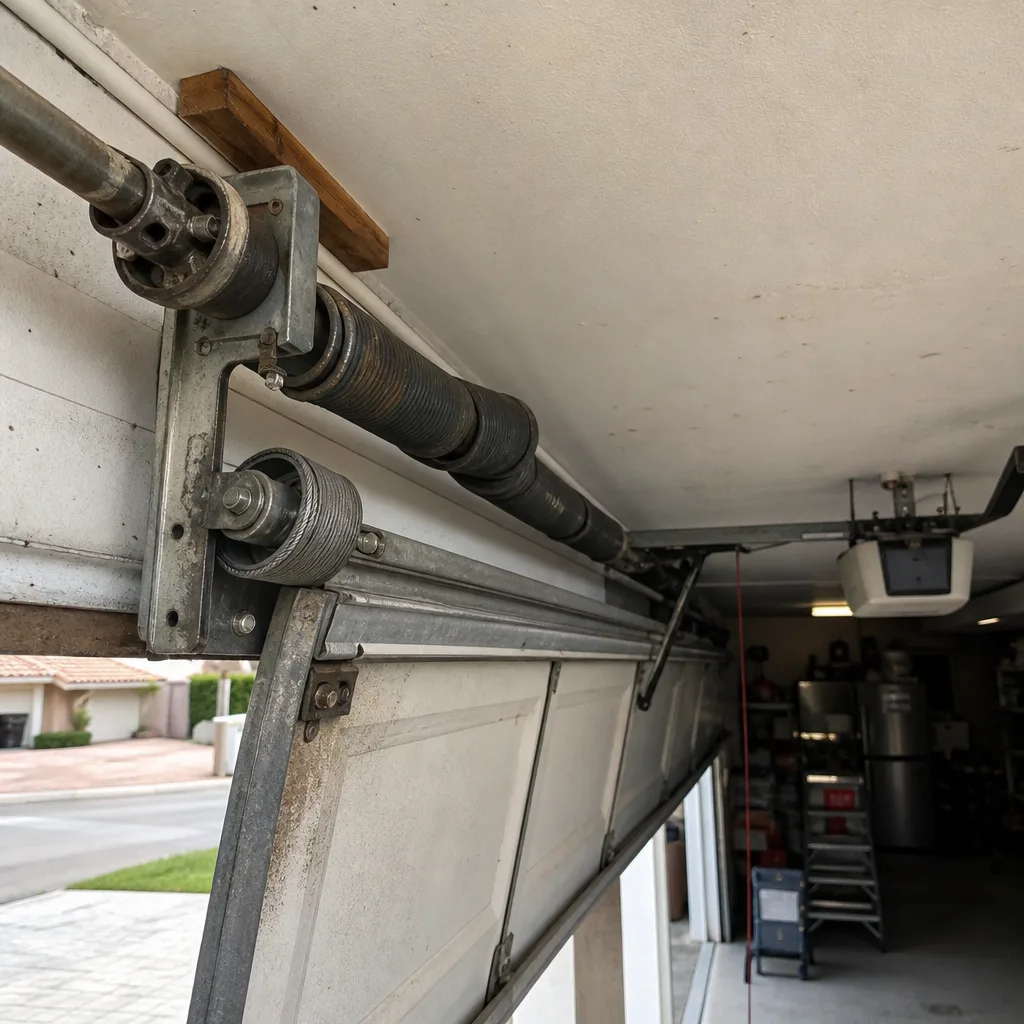 Before
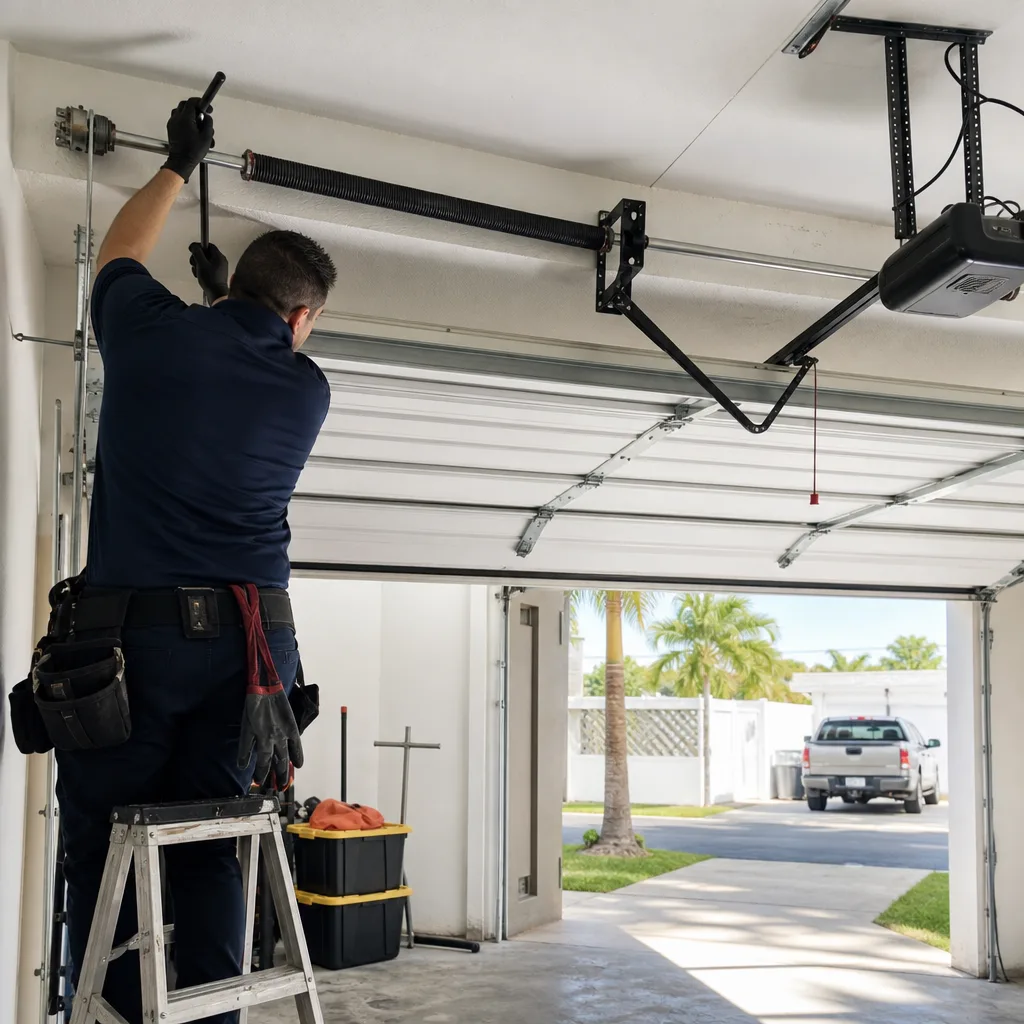 After
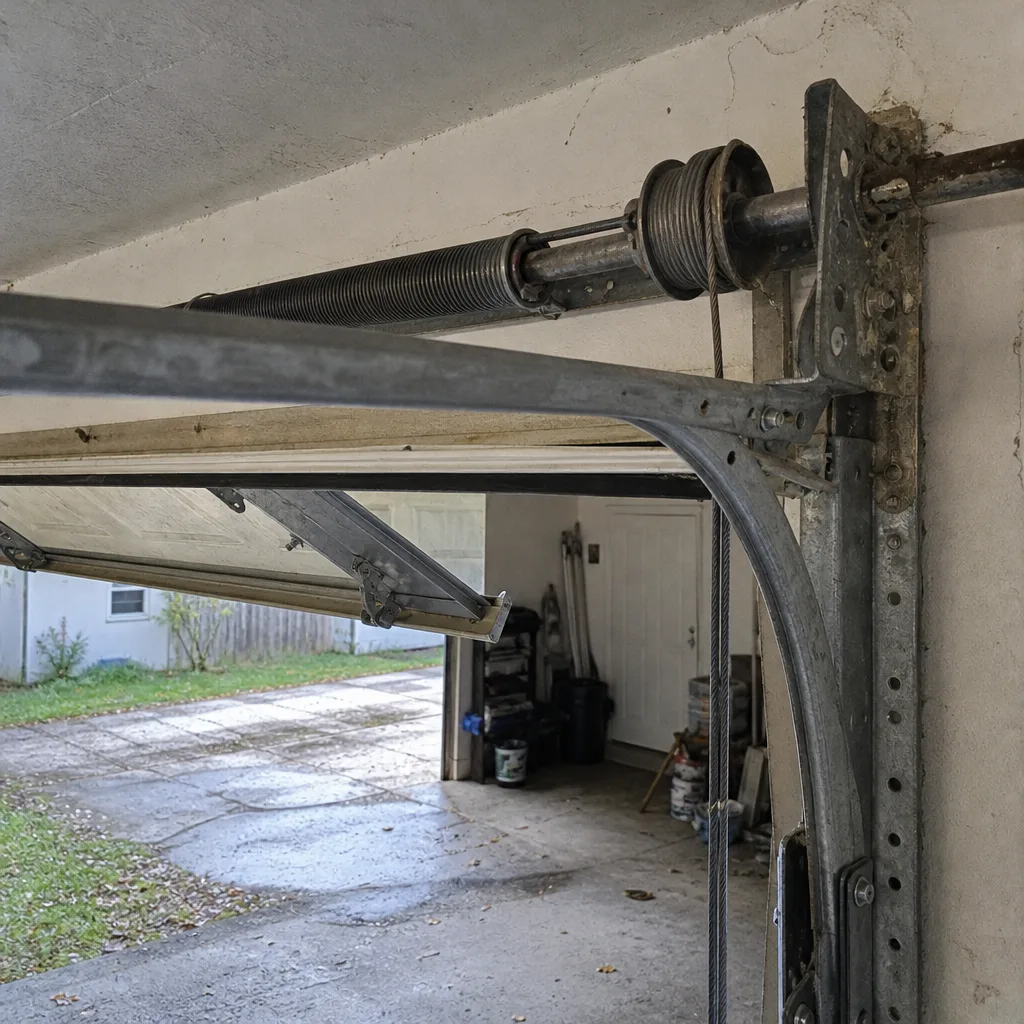 Before
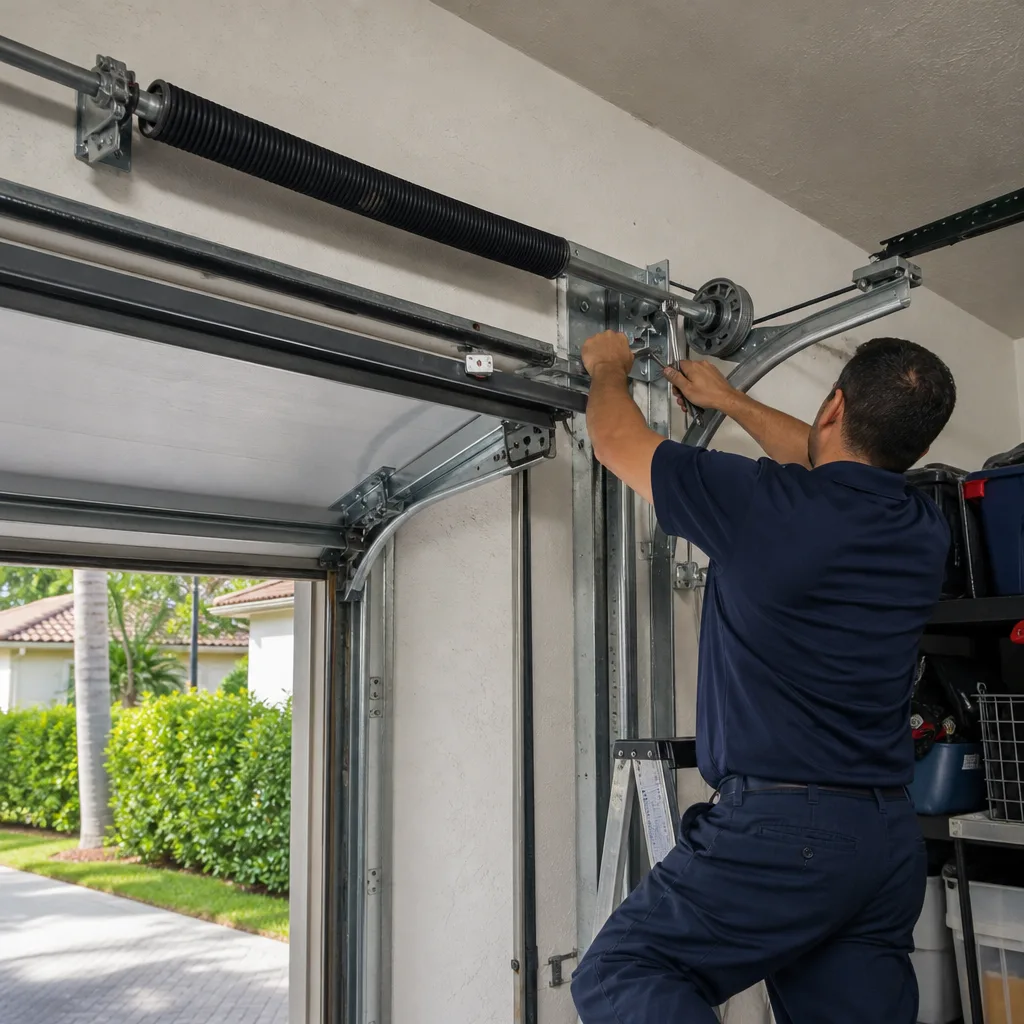 After
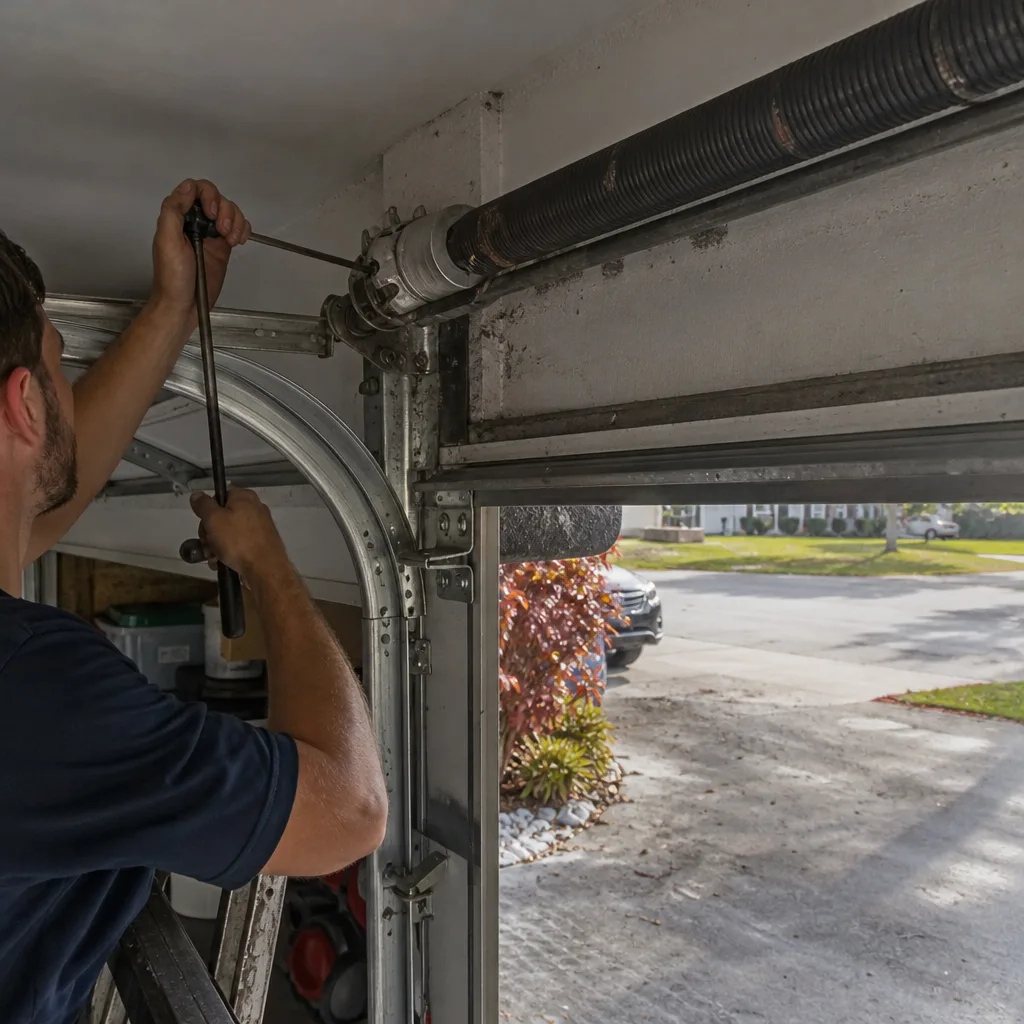 Before
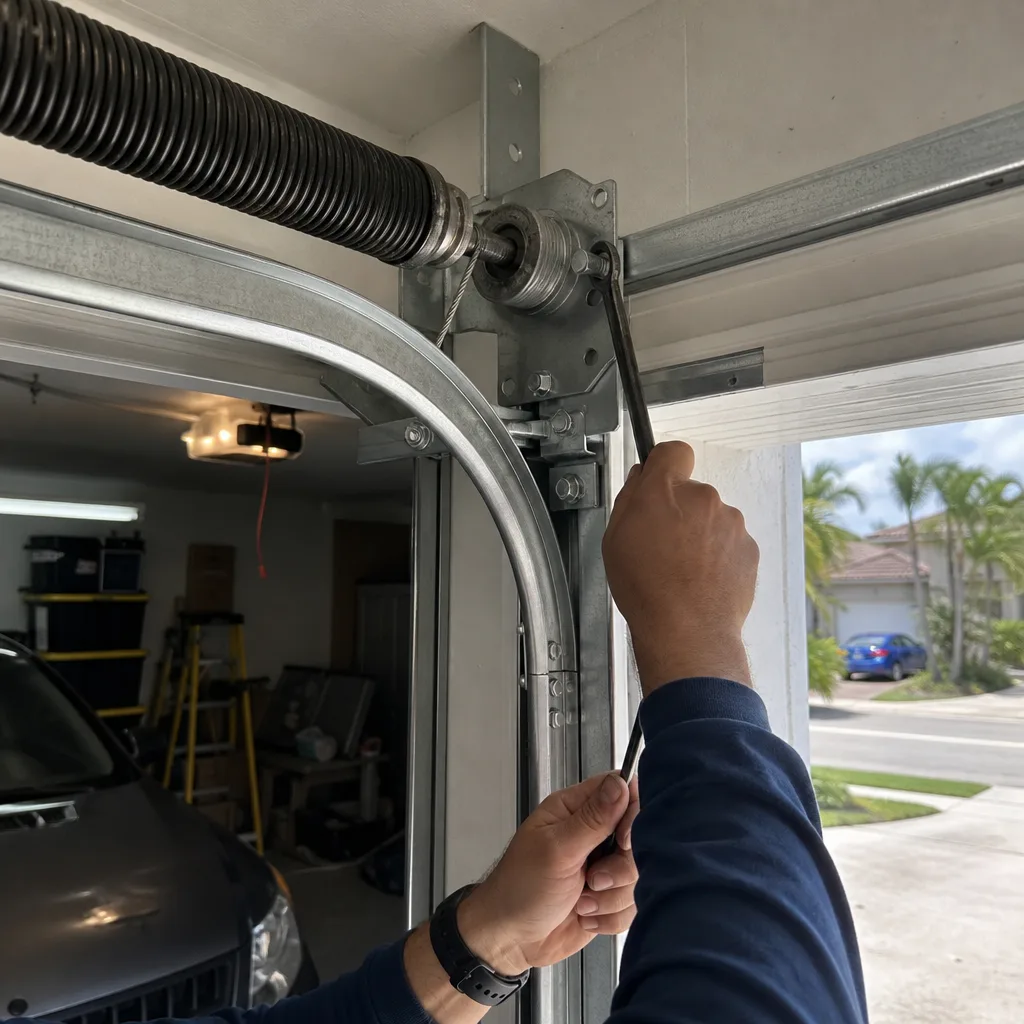 After