
Last updated October 30, 2026
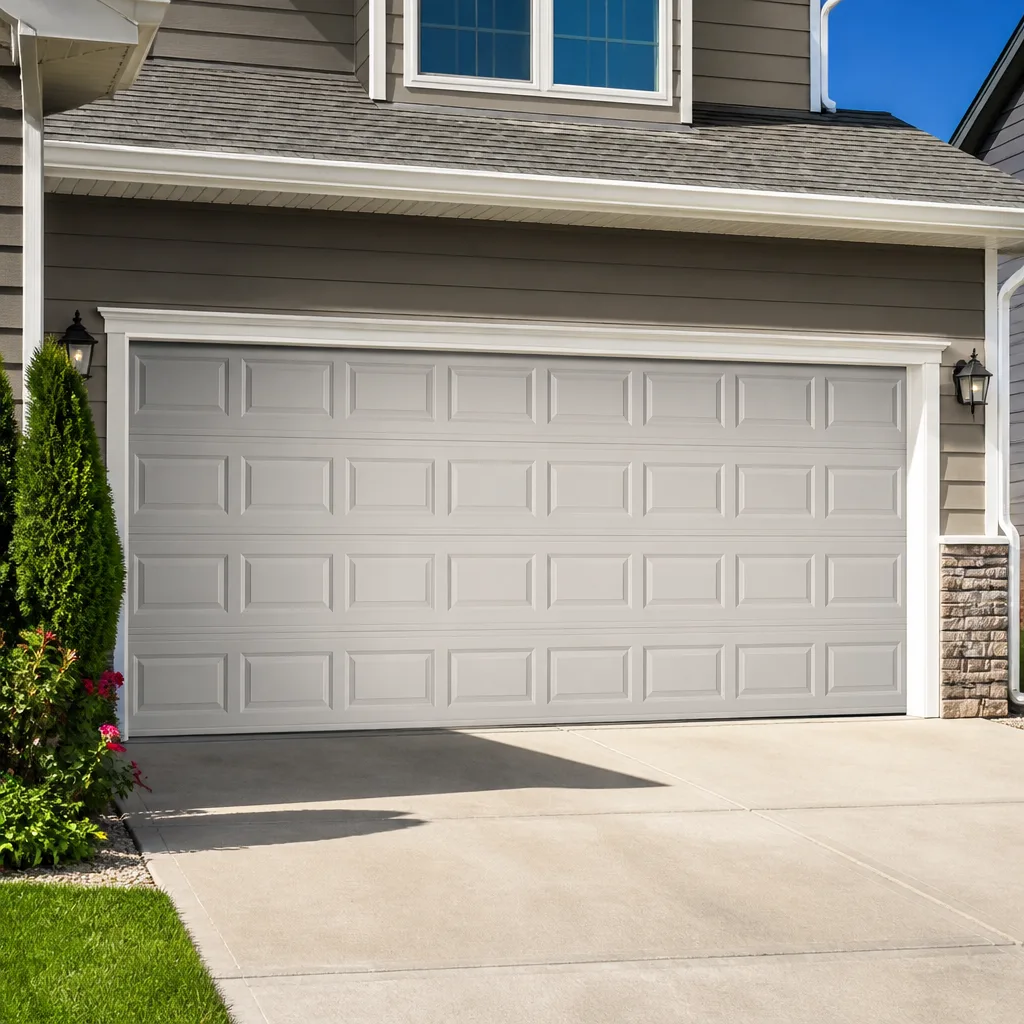 Raised-panel steel
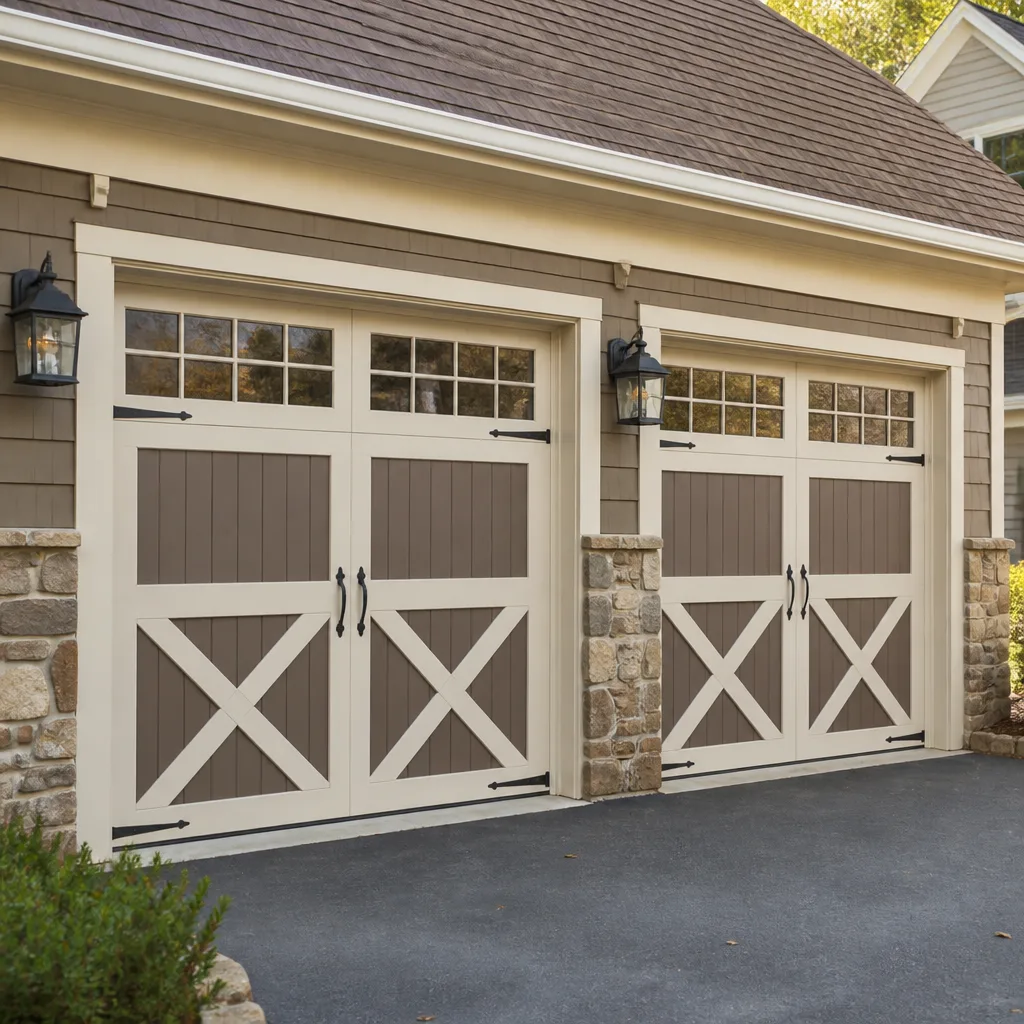 Carriage house
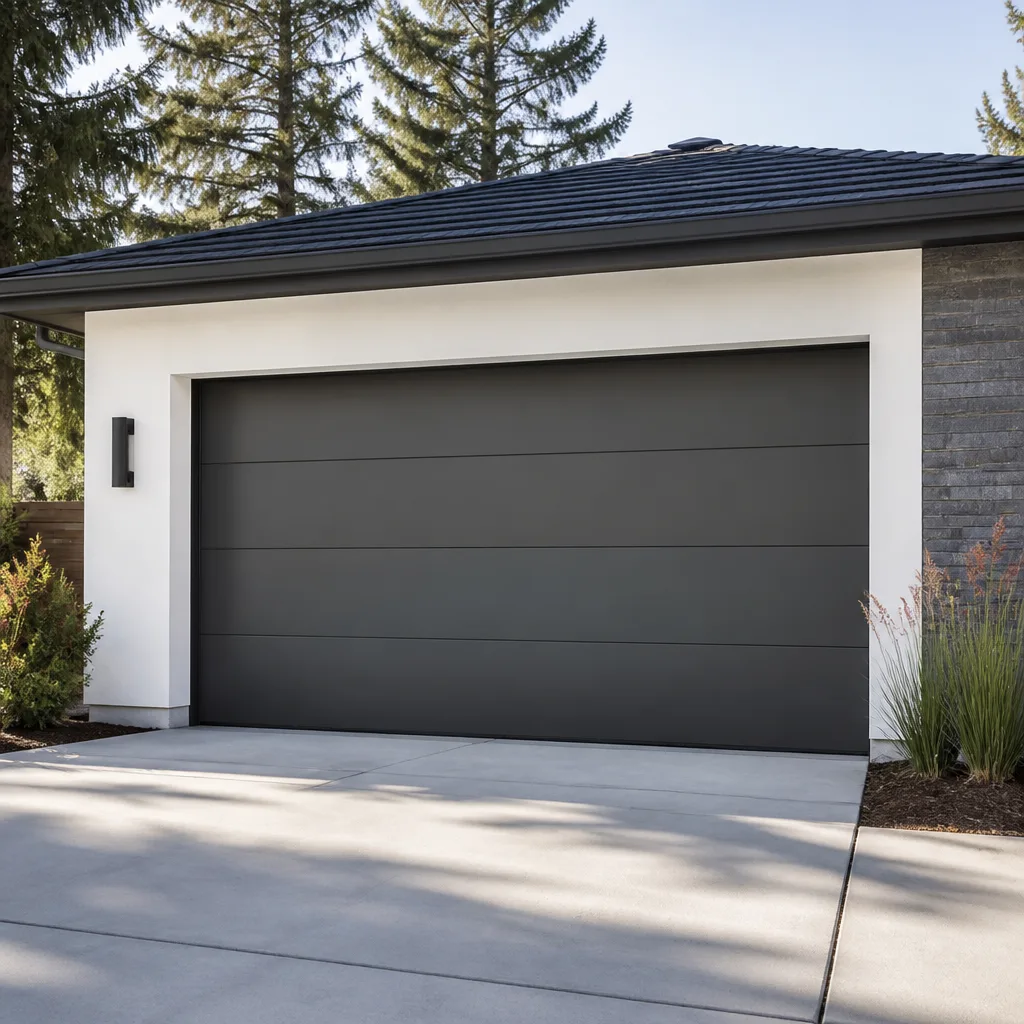 Modern flush
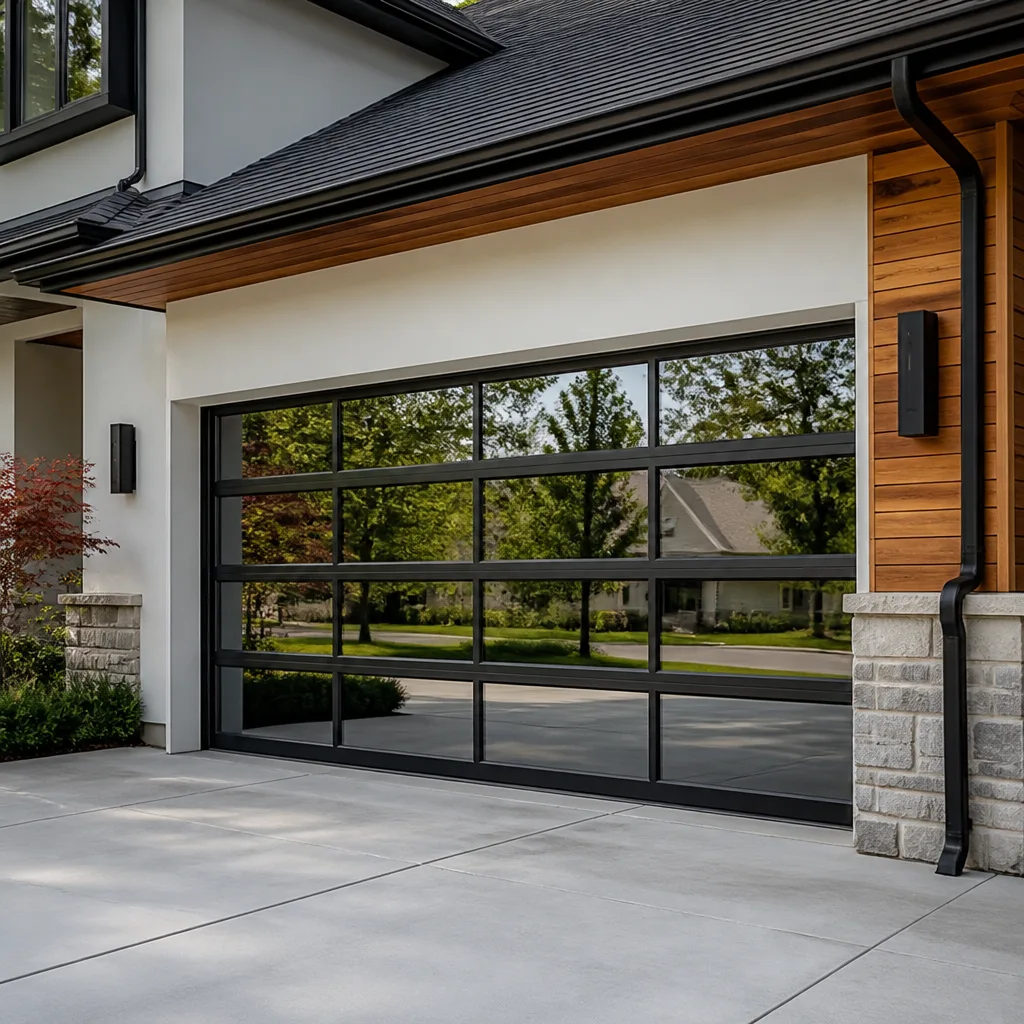 Full-view glass
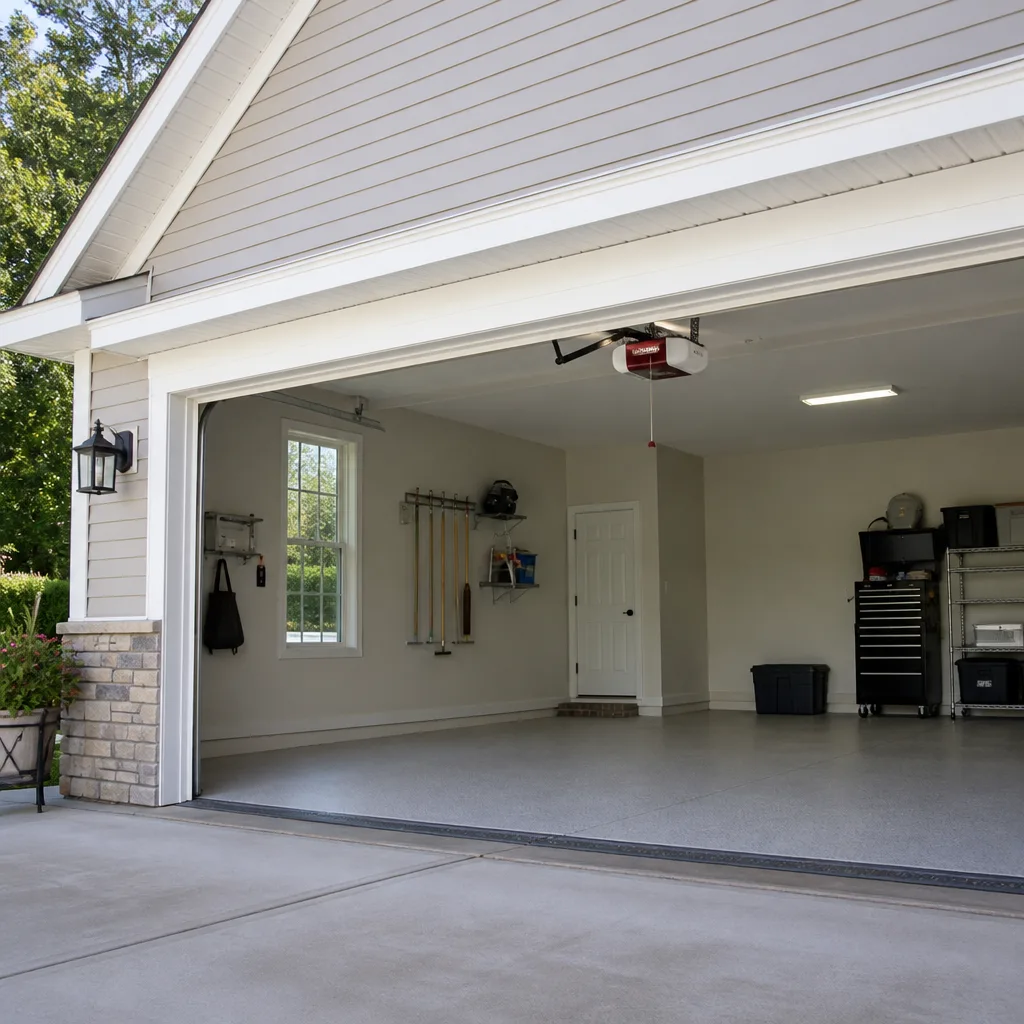 LiftMaster openers
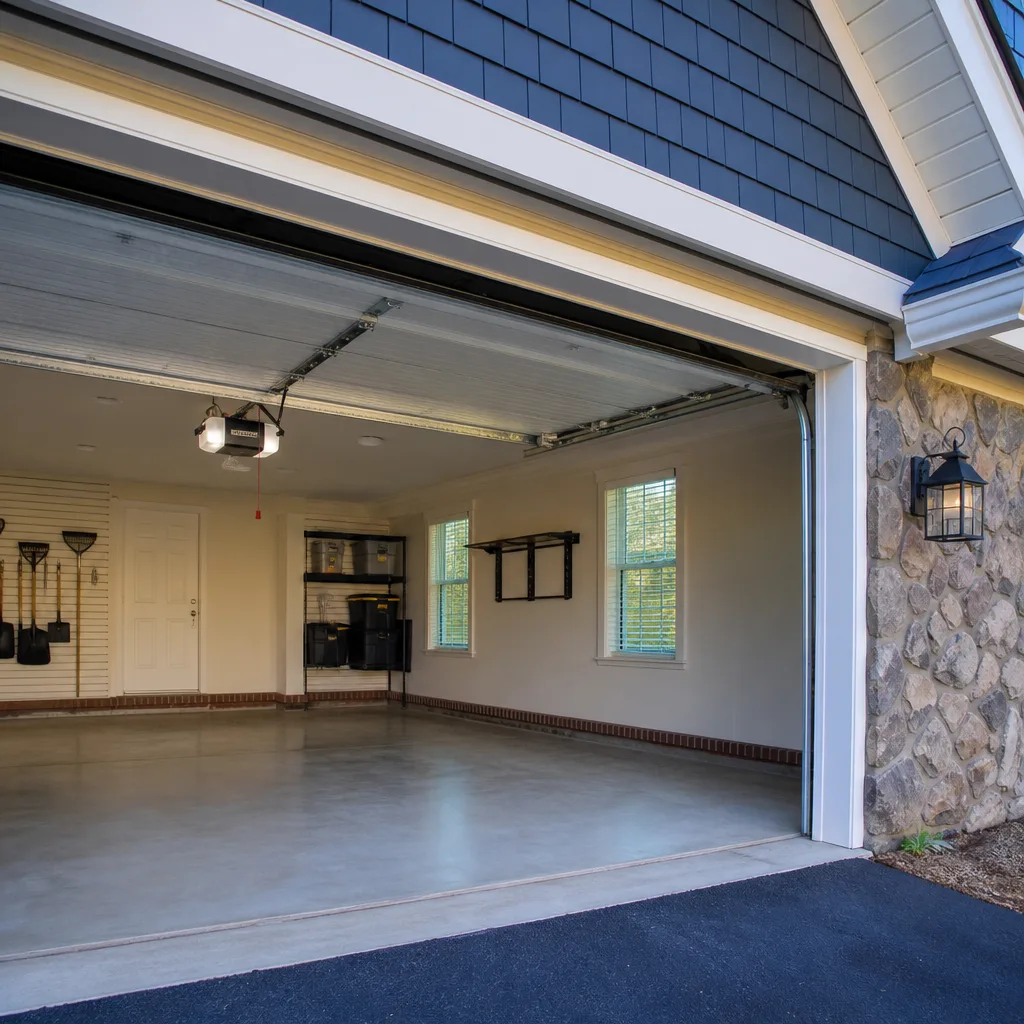 Chamberlain openers
Full 25-point door and opener safety check with every visit - springs, cables, rollers, tracks, and your LiftMaster or Chamberlain opener included
You get a price before we start. It does not change when the truck arrives.
Get your free estimateGarage Door Permits, Codes & Inspections in FL: What You Need to Know
A homeowner in Broward County replaced a garage door without a permit to save roughly $400. The door looked fine, worked fine, and passed no inspection because no inspection was ever scheduled. Two years later, after a hurricane tore through the neighborhood, the insurer sent an adjuster who asked one question: where is the permit for this door? The answer voided coverage on the entire garage opening. The claim denial cost that homeowner just under $40,000. If you live in Miami or anywhere else in Florida, this is not a hypothetical. This guide covers what actually triggers a permit requirement, what inspectors look for, how Miami-Dade’s stricter rules differ from the rest of the state, and what to do if you already have an unpermitted door hanging on your house. For more guides & resources, visit our blog.
Quick Answer
In Florida, a full garage door replacement requires a building permit in virtually every municipality, including all of Miami-Dade County, because garage doors are structural components governed by wind-load requirements. Opener replacements typically do not require a permit unless new wiring is run, though some local jurisdictions add their own requirements. The permit process involves submitting product approvals, passing a wind-load inspection, and closing the permit with a final inspection, and skipping it can void homeowners insurance claims and complicate a future home sale.
Styles & brands we work with
Table of Contents
- What Actually Triggers a Garage Door Permit in Florida
- Miami-Dade’s NOA System: What the Inspector Checks
- Statewide Code vs. Miami-Dade Amendments: The Real Differences
- What an Unpermitted Door Does to Insurance and Resale
- How to Retroactively Permit an Existing Unpermitted Door
- What Permits Cost and Who Pulls Them
- Step-by-Step: The Permit Process for a Garage Door in Miami
- Wind Load Ratings: Why Florida Doors Are Different
What Actually Triggers a Garage Door Permit in Florida
Here is the rule that surprises most homeowners: a full garage door replacement always triggers a permit requirement in Florida. Not sometimes. Not depending on the door’s size or style. The Florida Building Code treats garage doors as part of the building envelope, and because a garage door is the largest opening in most homes, its structural performance under wind load is a code enforcement issue, not a preference. When you replace a door, you are changing a rated component of the structure, and the new door must be documented, approved, and inspected.
In our experience across Miami neighborhoods from Kendall to Coral Gables, the confusion usually comes from the opener side of the job. Here is where the line falls:
- Full door replacement: permit required. The door panel itself, the track system, the spring assembly, and the reinforcement hardware all fall under wind-load code when changed.
- Opener replacement only: generally no permit, as long as the existing electrical outlet and wiring are reused. The opener bolts to the same structural opening.
- Opener with new wiring or a new circuit: permit may be required for the electrical work, depending on the municipality. This is where some Miami-Dade cities are stricter than others.
- Spring replacement, roller replacement, panel replacement on an existing door: no permit, because you are not changing the door’s structural assembly or its wind-load rating.
- Adding a reinforcement strut to an existing door: this one is gray. Some inspectors in Miami-Dade want to see documentation that the strut is part of an approved assembly. Others treat it as repair work. If you are told a strut is needed to bring a door up to code, the permit conversation has already started.
One more trigger people miss: changing the door size. If you widen a garage opening, reframe the header, or convert a single bay to a double, you are into full structural permitting territory, not just a garage door permit. That work requires engineered drawings and a separate review path.
Miami-Dade’s NOA System: What the Inspector Checks
Miami-Dade County runs the strictest building product approval system in the country. It is called the NOA system, which stands for Notice of Acceptance, and it exists because Hurricane Andrew in 1992 flattened thousands of garage doors and taught the county a brutal lesson about wind loads and building envelopes. If a garage door does not carry a valid Miami-Dade NOA, it cannot be legally installed in Miami-Dade County. Not in Miami proper, not in Hialeah, not in Homestead, not in Surfside.
What the inspector is actually checking during a final inspection is more specific than most homeowners assume. Our Garage Door Repair Maintenance Checklist for Miami Homeowners covers similar ground, and the official checklist includes:
- NOA documentation: the door model and all components must match the approved assembly listed on the NOA. This includes the panel profile, the gauge of steel, the track type, and the specific reinforcement hardware.
- Anchorage: the inspector verifies that the track brackets and jamb anchors are fastened with the exact fastener type, spacing, and embedment depth called for in the approved drawings.
- Wind-load rating: the door must be rated for the design wind pressure of your specific property. Miami-Dade is a High Velocity Hurricane Zone, so the required rating is higher than in northern Florida counties.
- Reinforcement struts: for wider doors, especially two-car doors, the inspector confirms that the vertical or horizontal struts are present and installed per the NOA details.
- Product labels: the door and its components should bear labels or etching that trace back to the approved product. A door with no identifiable markings is an automatic red flag.
We work on doors from Amarr, Wayne Dalton, Raynor, and Craftsman, and the NOA picture varies by manufacturer and model line. Amarr and Wayne Dalton both maintain extensive Miami-Dade NOA coverage on their heavy-duty lines. Raynor carries approved models as well. What matters is not the brand name on the door, but whether the specific model and its track and hardware package appear together on a current NOA document. A door from a name-brand manufacturer installed with mismatched track or the wrong gauge brackets can fail inspection just as fast as a no-name import.
Statewide Code vs. Miami-Dade Amendments: The Real Differences
Florida operates under the Florida Building Code, which applies statewide. But the state is split into two wind zones for garage door purposes: the High Velocity Hurricane Zone, which is Miami-Dade and Broward Counties, and everything else. Within the HVHZ, Miami-Dade’s amendments go further than the state baseline in several ways that directly affect garage door work.
The differences that matter in practice:
- Product approval: the rest of Florida accepts Florida Building Code product approvals. Miami-Dade requires its own NOA or a product approval that meets the HVHZ standard. A door approved for Jacksonville may not be legal in Miami.
- Wind pressure requirements: design wind speeds in Miami-Dade generally run higher than in most of the rest of the state, which translates into heavier gauge track, more anchor points, and in some cases additional struts on the same door model.
- Inspection rigor: Miami-Dade municipal inspectors tend to scrutinize anchorage specifically, because the county has decades of documented failure data showing that doors fail at the connection points before the panel itself fails.
- Label verification: Miami-Dade inspectors are more likely to cross-check the product label against the NOA listing on site. If the label is missing or illegible, the door may need to be verified another way, which adds time and cost.
For a homeowner in Cutler Bay or Palmetto Bay, this means one practical thing: do not order a garage door online from an out-of-state distributor without first confirming it carries a current Miami-Dade NOA covering your exact door size and configuration. We have seen homeowners pay for a door, have it shipped, and then discover no local contractor would install it because it could not pass a Miami-Dade inspection.
What an Unpermitted Door Does to Insurance and Resale
The Broward County story at the top of this guide is not an outlier. Florida insurers have become aggressive about post-loss investigations, and an unpermitted garage door is one of the easiest findings an adjuster can make. The permit record either exists or it does not, and county permit databases are searchable by address. When a hurricane claim involves damage to the garage door or the garage opening, the insurer’s first move is often to pull the permit history for that component.
What can happen when a replacement door is discovered to be unpermitted:
- Claim denial on the opening: the insurer can deny coverage for damage to the door, the opening, and in some cases the entire garage structure, on the basis that an unreviewed modification compromised the building envelope.
- Policy non-renewal: even if no claim is filed, some insurers will flag unpermitted work during a routine inspection and decline to renew the policy.
- Premium adjustment: a property with unpermitted structural work may be re-rated at a higher premium, because the insurer cannot verify the wind mitigation features they are pricing.
- Resale complications: title insurance companies and buyer’s inspectors increasingly check permit history for major components. An unpermitted garage door can delay a closing, force a price concession, or require retroactive permitting before the sale proceeds.
On resale, the exposure works like this: the seller’s disclosure form asks whether any work was done without required permits. If the answer is yes, the buyer has leverage. If the answer is no and the unpermitted door is discovered later, the seller has exposure. We have worked with Miami homeowners who discovered an unpermitted door only when they went to sell and the buyer’s home inspector flagged the absence of a permit record for a door that was clearly newer than the house.
How to Retroactively Permit an Existing Unpermitted Door
If you already have an unpermitted garage door on your Miami home, the situation is fixable in many cases, but not all. The path forward depends on what you can document about the door.
- Identify the door and all components. You need the manufacturer, model line, and ideally the specific installation details: track gauge, bracket type, anchor spacing, and any struts. The labels on the door panels and track can help, but many no-name doors have no meaningful labeling.
- Check for an active NOA. If the door is from a major manufacturer such as Amarr, Wayne Dalton, Raynor, or Craftsman, look up whether the specific model has a current Miami-Dade NOA. The county maintains a searchable product approval database.
- Hire a licensed contractor to perform a retrofit review. A contractor or engineer needs to compare the installed door and its anchorage against the approved assembly. If the anchor pattern, hardware, and components match the NOA, the contractor can document compliance and submit for a retroactive permit.
- Correct any deficiencies. If the installed assembly does not match an approved configuration, the door may need modification: additional anchors, different brackets, reinforcement struts, or in some cases track replacement.
- Get the inspection. Once the paperwork is in and any corrections are made, the municipality sends an inspector to verify the installation. If it passes, the permit is closed, and the door is on record as code-compliant.
The honest caveat: not every door is salvageable. If the door is a no-name import with no NOA, no manufacturer documentation, and no path to approval, the only way to get a compliant permit record is to replace it with an approved door. That is a harder conversation, but it is better to have it before a hurricane claim, not after.
What Permits Cost and Who Pulls Them
Garage door permit fees in Miami-Dade County are generally modest compared to the cost of the door and installation. The fee structure varies by municipality, because each city in Miami-Dade issues its own permits through its own building department, even though the underlying code is consistent countywide. Plan for a range, not a fixed number.
- Typical permit fee range: $100 to $350 for a straightforward like-for-like garage door replacement, depending on the city and the valuation of the work. Some municipalities use a flat fee for the trade; others calculate a percentage of the job value.
- Additional fees: some cities add a surcharge for plan review, a technology fee, or a re-inspection fee if the first inspection fails and a return trip is required.
- Who pulls the permit: in almost all cases, the contractor performing the installation pulls the permit. The permit is tied to the licensed contractor’s credentials, not the homeowner. A homeowner can pull an owner-builder permit for their own home, but the liability risk is real, and few people want to certify their own structural work under oath.
When you get a quote for garage door installation in Miami, the permit fee should appear as a line item, not be slipped into the labor fee. A contractor who tells you a permit is not needed for a full door replacement in Miami-Dade is either misinformed or saving you money now at the cost of your insurance standing later. The right answer is to expect the permit.
Step-by-Step: The Permit Process for a Garage Door in Miami
If you are planning a garage door replacement in Miami, here is the process in the order it actually happens, from first call to closed permit:
- Measure and specify the door. The contractor takes precise opening measurements and selects a door that carries a Miami-Dade NOA for your design wind pressure. Brand choice matters less than the approval status.
- Prepare the permit package. The contractor submits the NOA document, the door manufacturer’s installation drawings, and the job valuation to the relevant Miami-Dade municipality. This is typically done through the electronic permitting portal.
- Pay the permit fee. Fees are paid by the contractor and passed through to you as a line item.
- Install the door after permit issuance. Work cannot legally begin until the permit number is issued. A contractor who starts before the permit is active is creating a paper trail problem from day one.
- Schedule the inspection. After installation, the contractor requests the inspection through the municipality’s portal. Some Miami-Dade cities offer next-day inspection slots; others run several days out.
- Pass the final inspection. The inspector checks the NOA, the anchorage, the hardware, and the door’s operation. A pass closes the permit. A fail sends it back with a correction list.
Total timeline from measure to closed permit is usually one to three weeks in the Miami area, depending on the municipality’s inspection backlog. The installation itself is a one-day job for most standard replacements. The permit is the paperwork that wraps around it.
Wind Load Ratings: Why Florida Doors Are Different
If you have lived in Florida long enough, you have heard the phrase wind load. It is not marketing language. It is the design pressure, measured in pounds per square foot, that a garage door must withstand without structural failure. In Miami-Dade, the design wind speeds are high enough that a garage door is typically the single most vulnerable large opening on the house, which is why the code treats it with the same seriousness as windows, roof sheathing, and exterior doors.
What a wind-rated door actually includes, beyond the panel itself:
- Heavier gauge track: wind-rated track is thicker than the track on a standard door sold in lower-wind states. The track is the structural rail that holds the door in place during uplift and lateral pressure.
- Reinforcement struts: struts are horizontal or vertical stiffeners bolted to the inside face of the door panels. They prevent the panel from bowing inward under pressure, which is the failure mode that lets wind enter the garage and blow out the back wall or lift the roof.
- Engineered anchor assemblies: the brackets that connect the track to the jamb are anchored with specific fasteners at specific spacing. This is the number one failure point inspectors look for, and the number one place shortcuts show up.
- Tested assembly certification: a wind-rated door is tested as a complete assembly: panel, track, hardware, and anchorage. Swapping any component for a substitute part breaks the tested configuration.
In Miami, this is not a theoretical concern. Doors from manufacturers like Clopay and Amarr that are sold in Florida are engineered with wind-load requirements in mind from the design stage. The difference is visible if you know what to look for: heavier hardware, more anchor points, visible struts on larger doors. The code exists because the alternative, a door that buckles inward under hurricane pressure, turns a garage into a wind tunnel that destroys the rest of the house.
Common Mistakes to Avoid
- Believing the opener replacement line applies to the door. An opener is an electrical device bolted to the ceiling. A door is a structural component. They are completely different code categories, and the permit-free path for an opener does not extend to a door replacement.
- Ordering a door online without checking Miami-Dade NOA status. Every month, someone in the Miami area buys a door sight unseen from a national e-commerce site and ends up with a product no contractor will touch because it cannot pass an HVHZ inspection.
- Reusing old track with a new door. The track is part of the tested assembly. A new door on old track breaks the NOA coverage and will likely fail inspection if the mismatch is caught.
- Assuming a quote without a permit line item is a better deal. It is not a savings. It is a liability transfer. The permit fee is small compared to the insurance exposure of an unpermitted door.
- Thinking a broken spring replacement changes the wind-load rating. It does not. Springs are wear items and replacing them is routine repair work. The wind-load assembly is the door, track, and anchorage.
- Waiting until hurricane season to start the process. Permit backlogs and inspection schedules in Miami-Dade fill up in the months before storm season. If you are replacing a door, start early.
- Signing off on an inspection that has not actually been scheduled. Some contractors will say the permit is “in process” and never schedule the final inspection. Confirm the inspection date and confirm the permit is closed, not just issued.
See the difference
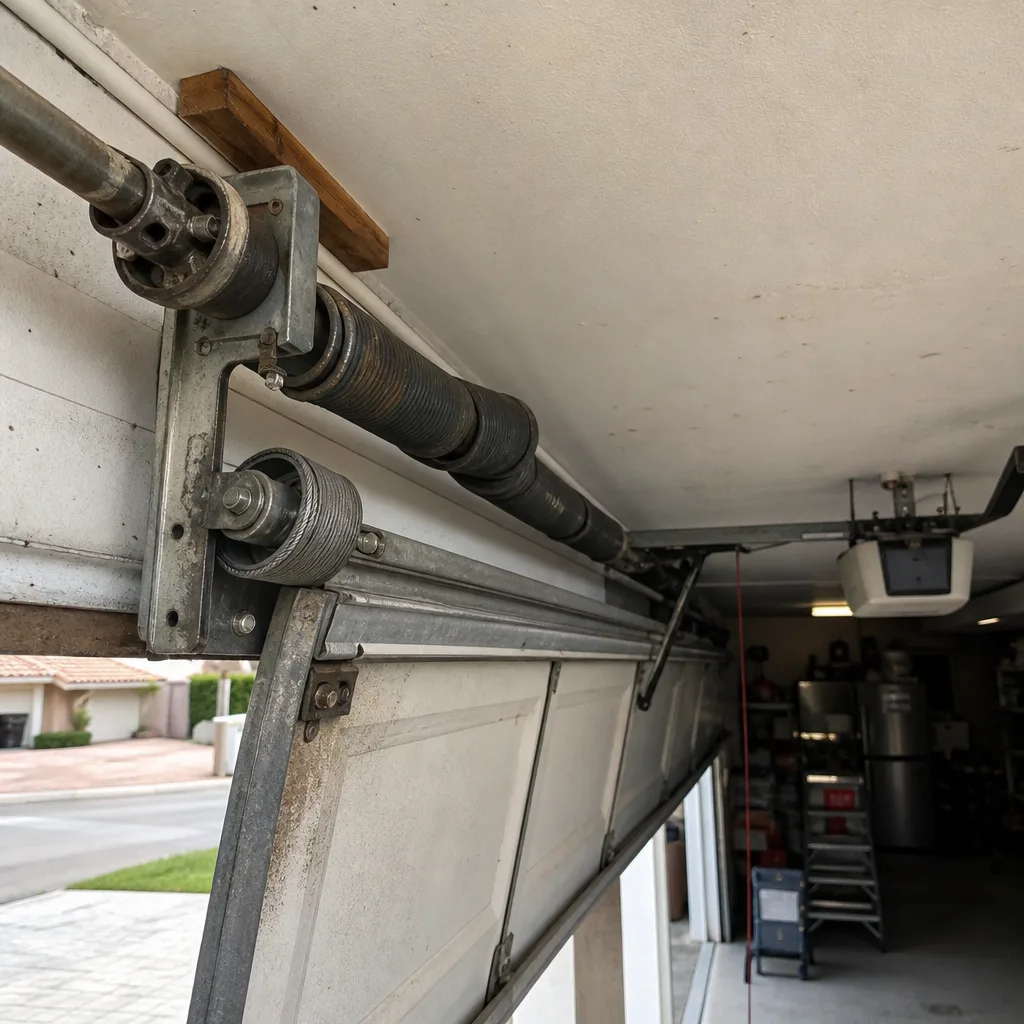 Before
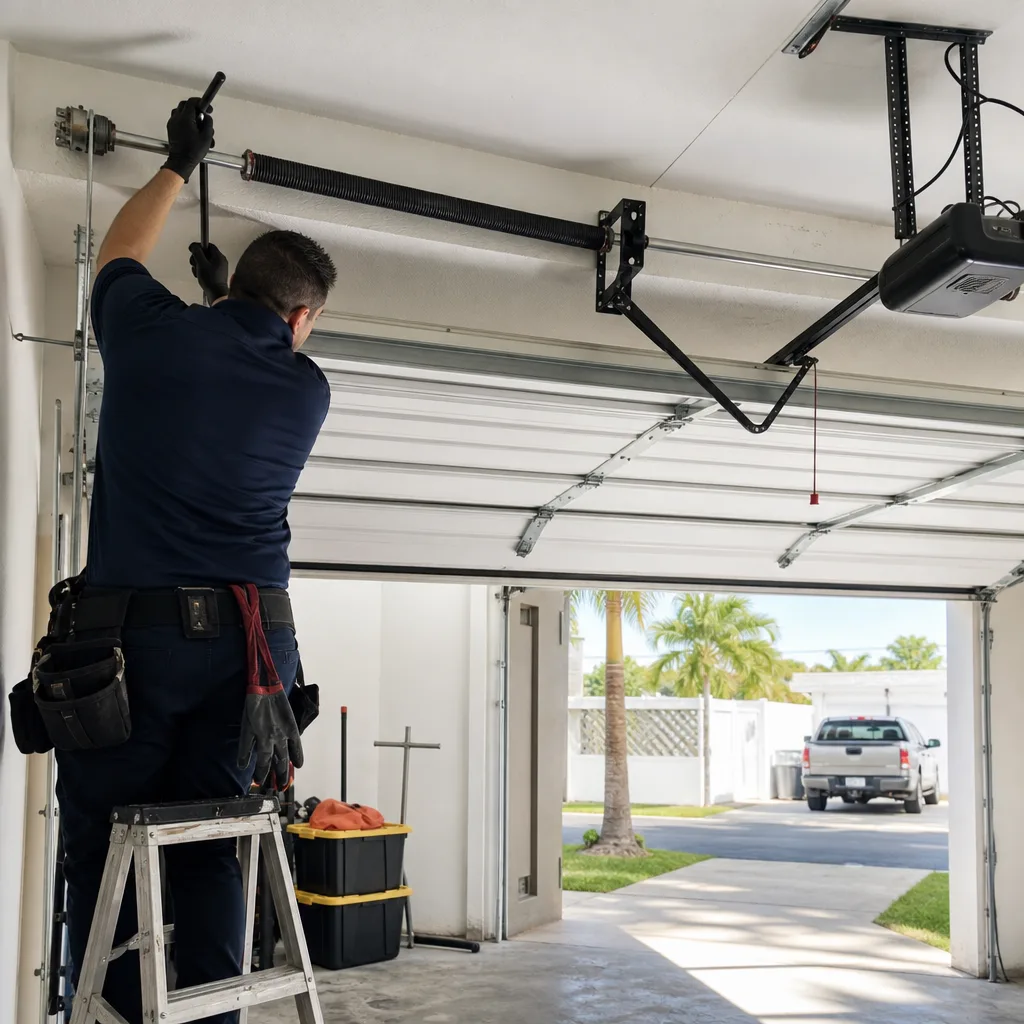 After
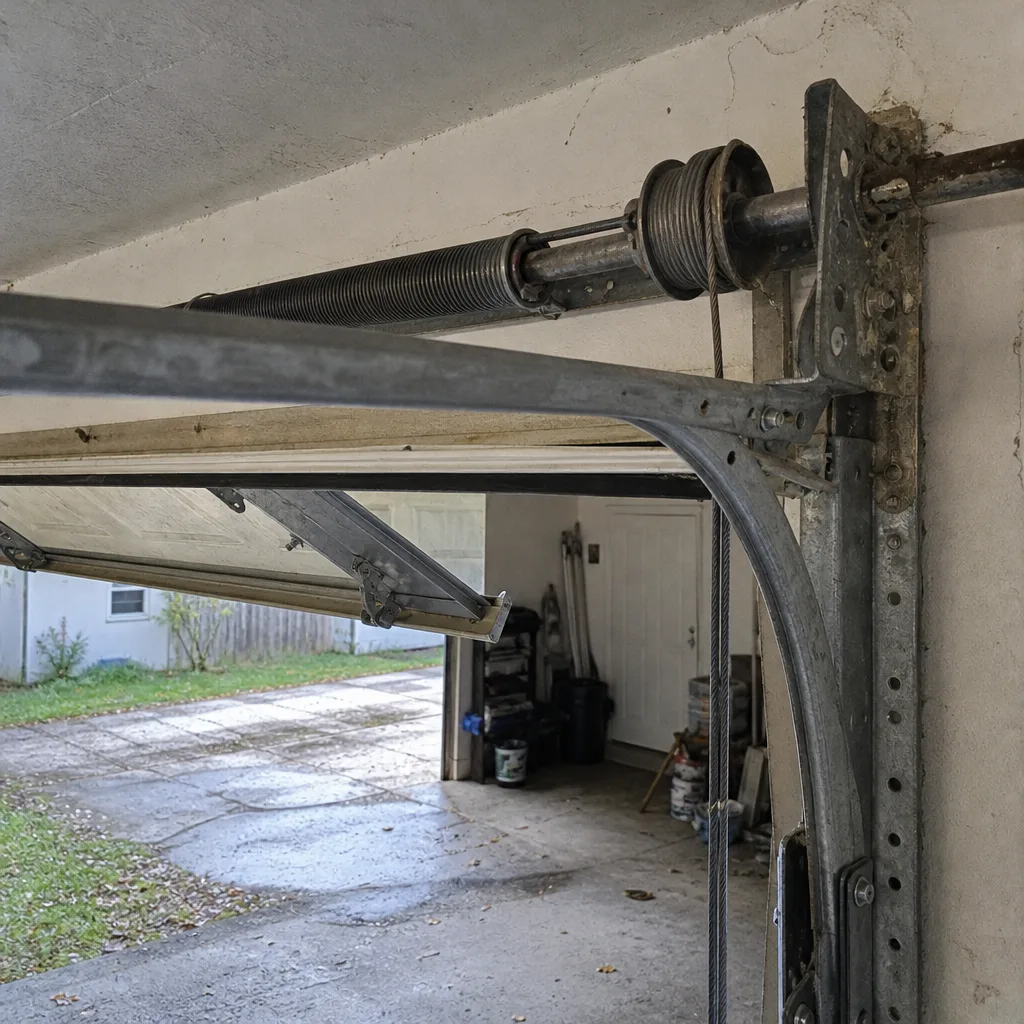 Before
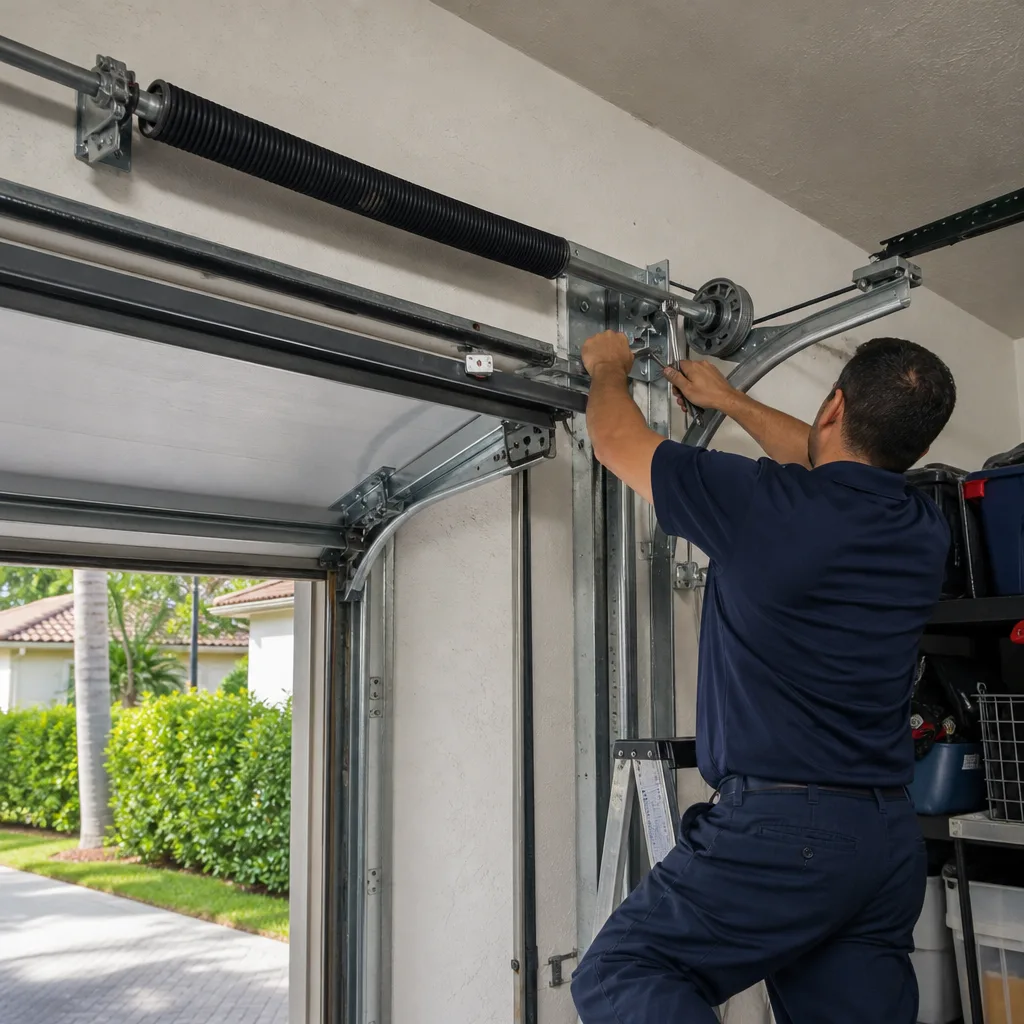 After
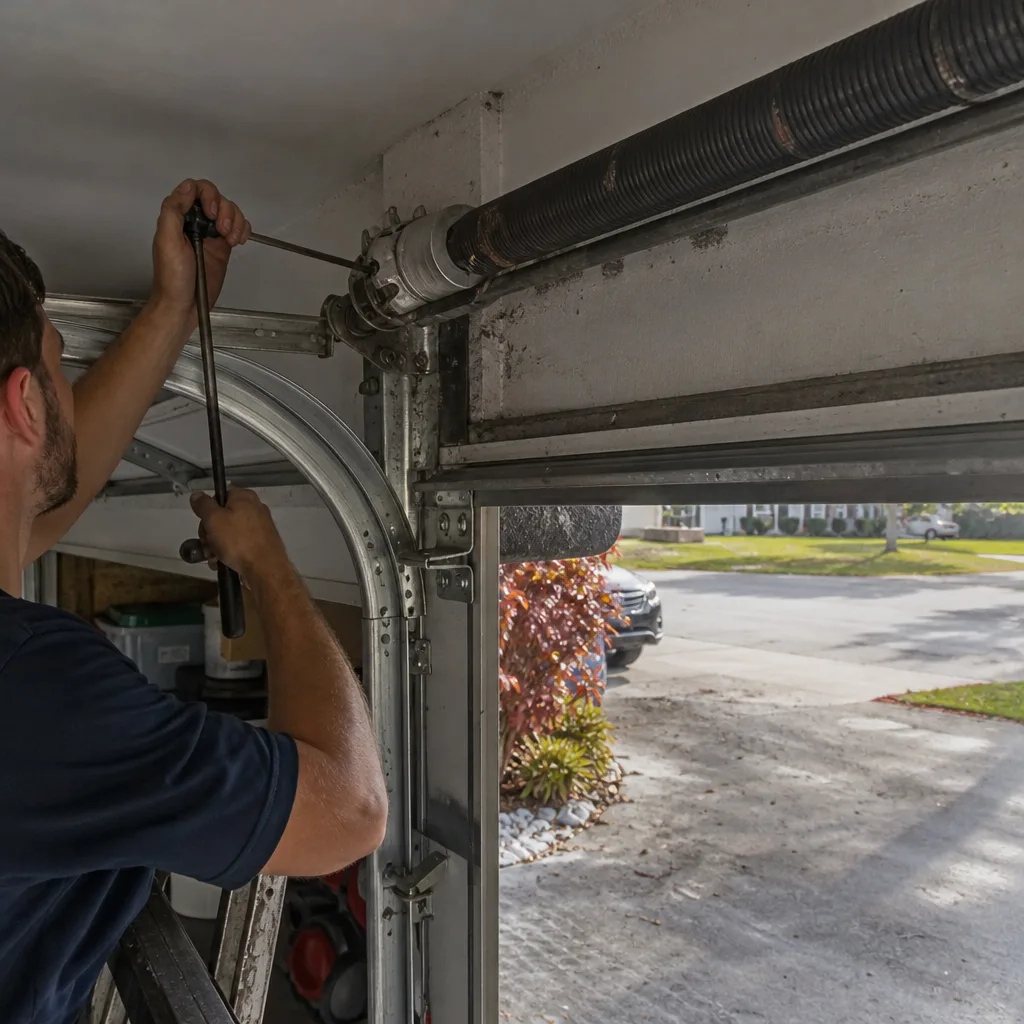 Before
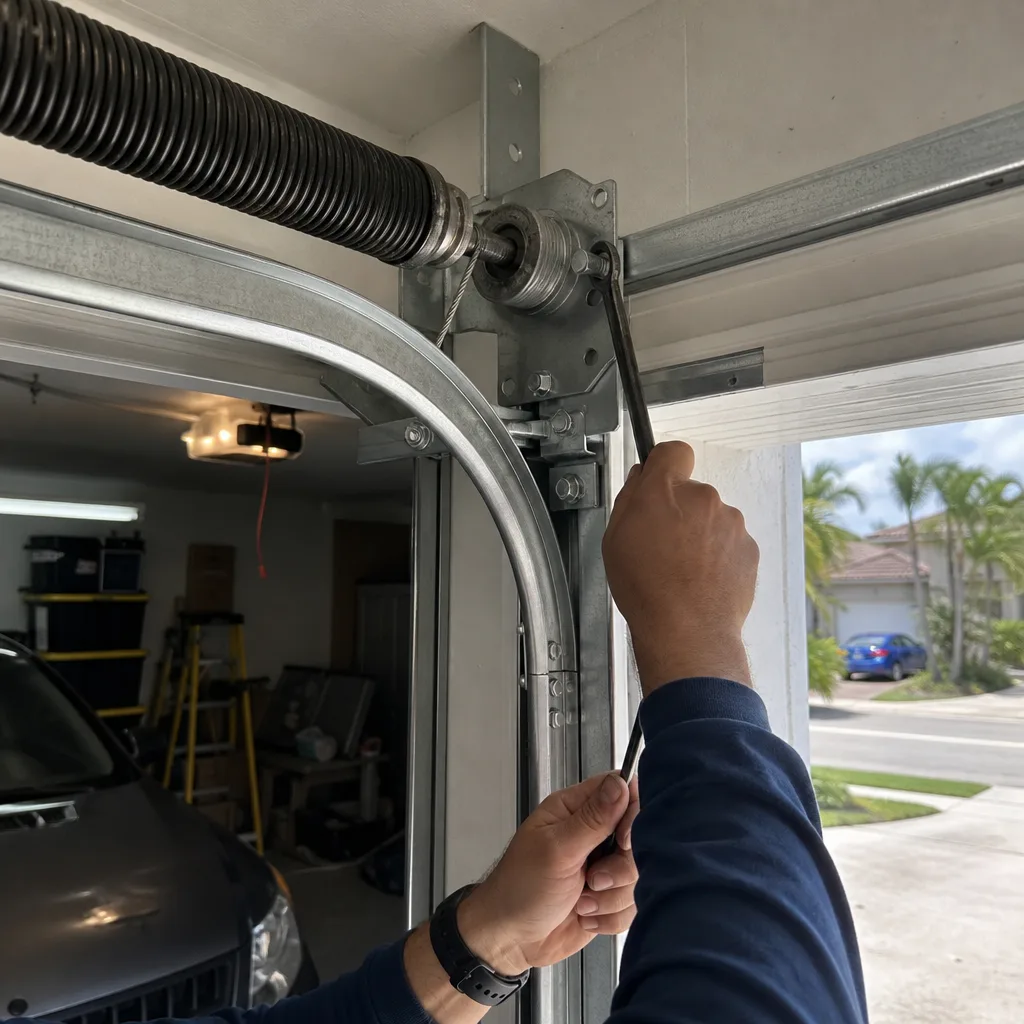 After
When to Call a Professional
Garage door permitting in Florida is nuanced enough that most homeowners are better served by a contractor who lives inside this system than by trying to navigate the NOA database, the municipal portal, and the inspection schedule alone. If you are replacing a door in Miami-Dade, the professional path is the only path that closes the permit cleanly. Kingsway Garage Door works across eight major brands, including Amarr, Wayne Dalton, Raynor, and Craftsman, so the conversation starts with what fits your home and your wind zone, not with whatever happens to be in stock. Garage Door Installation in Miami begins with a measure, a brand conversation, and a written price that includes the permit fee as a line item. For a free estimate, call (866) 282-5541.
Frequently Asked Questions
Yes, a full garage door replacement requires a permit in Florida, including all of Miami-Dade County, because garage doors are structural components subject to wind-load requirements under the Florida Building Code.
Garage door permit fees in Miami-Dade County typically range from $100 to $350, depending on the municipality and the valuation of the work. The fee should appear as a separate line item on your installation quote, and estimates are free, so call (866) 282-5541 to get an exact figure for your address.
Opener replacement generally does not require a permit in Florida as long as the existing electrical outlet and wiring are reused unchanged. If new wiring or a new circuit is required, the electrical portion of the work may require a separate permit depending on the municipality.
An unpermitted garage door can void insurance coverage on the garage opening if a hurricane or other covered loss damages that area of the home. It can also complicate a resale, trigger policy non-renewal, and require retroactive permitting before the property can be sold or refinanced.
A Notice of Acceptance is a Miami-Dade County product approval that certifies a specific garage door assembly, including its track and hardware, as tested and approved for the High Velocity Hurricane Zone. No garage door can be legally installed in Miami-Dade County without an active NOA covering the exact model and configuration.
In many cases yes, if the door is from a major manufacturer with an active NOA and the installed assembly matches the approved configuration. A contractor can document compliance and submit for a retroactive permit. If the door is a no-name product with no approval path, replacement is usually the only way to get a compliant permit record.
The Bottom Line
Garage door replacement in Florida is a structural project with real code and insurance consequences, and the permit is not optional. Miami-Dade’s NOA system and wind-load requirements exist because garage doors are the weak point in a hurricane, and an unpermitted door is a liability that sits above your car every day. If you are replacing a door, work with a contractor who pulls the permit, installs to the approved assembly, and closes the inspection. If you already have an unpermitted door, document what you can and start the retroactive permit conversation before a storm or a sale forces it. For help diagnosing issues yourself, see our Garage Door Repair Troubleshooting: Common Problems and How to Fix Them. For brand-specific guidance on Amarr, Wayne Dalton, Raynor, or Craftsman doors in the Miami area, call Kingsway Garage Door at (866) 282-5541 for a free estimate.
Written by the team at Kingsway Garage Door, serving Miami since 2015.