
Last updated October 30, 2026
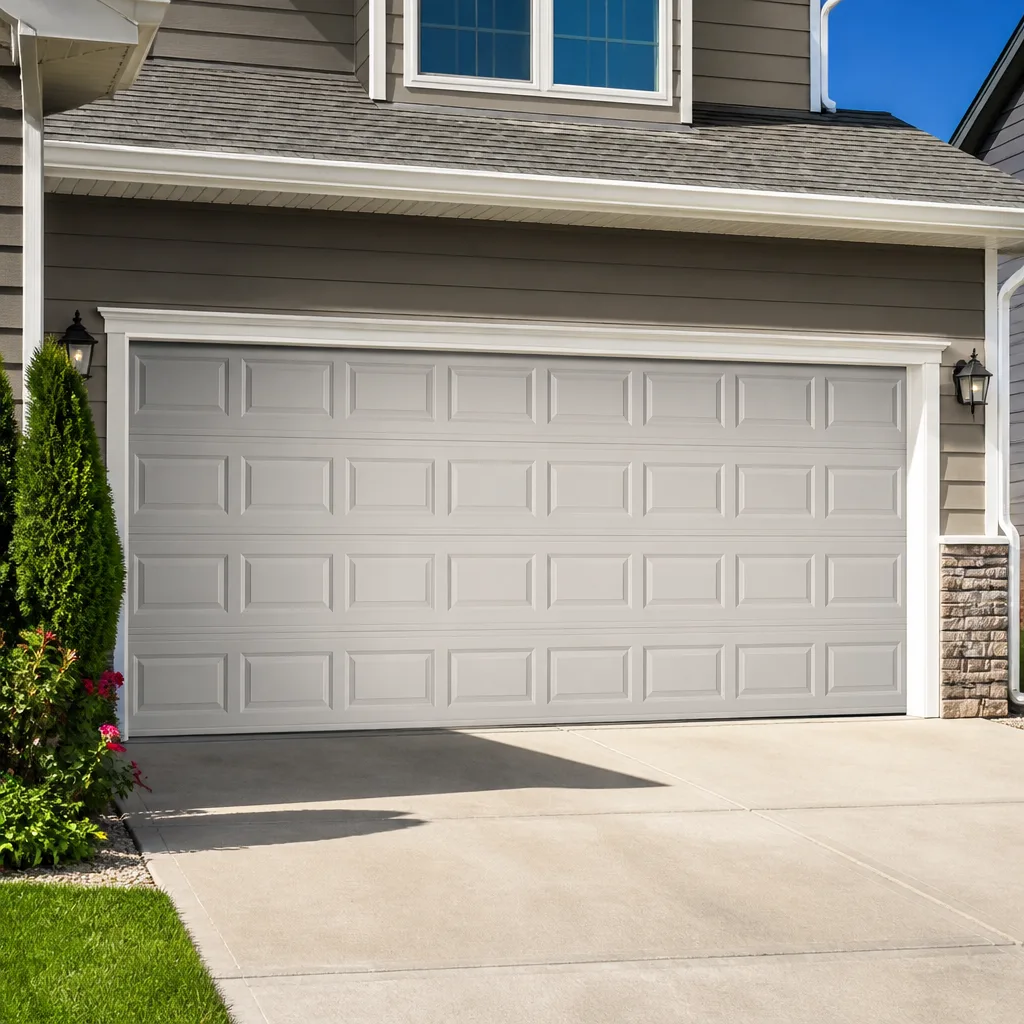 Raised-panel steel
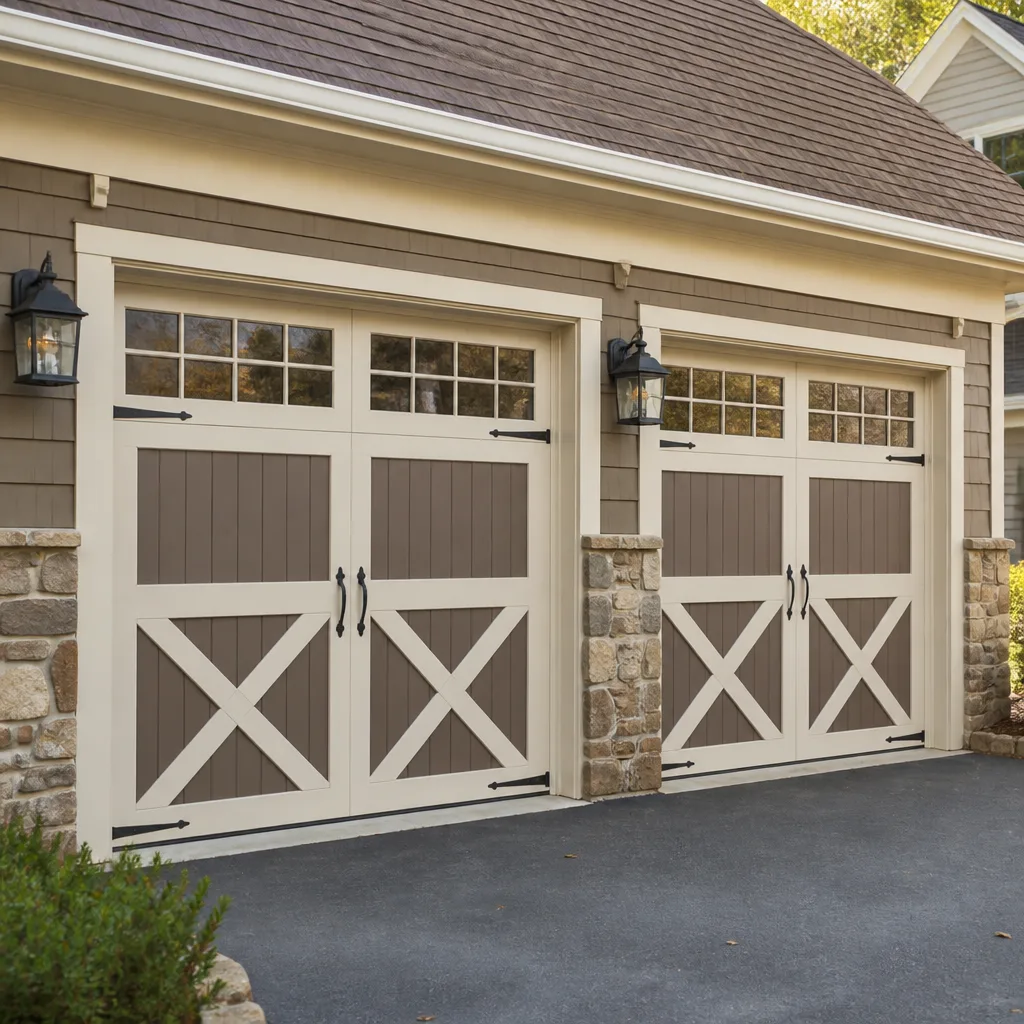 Carriage house
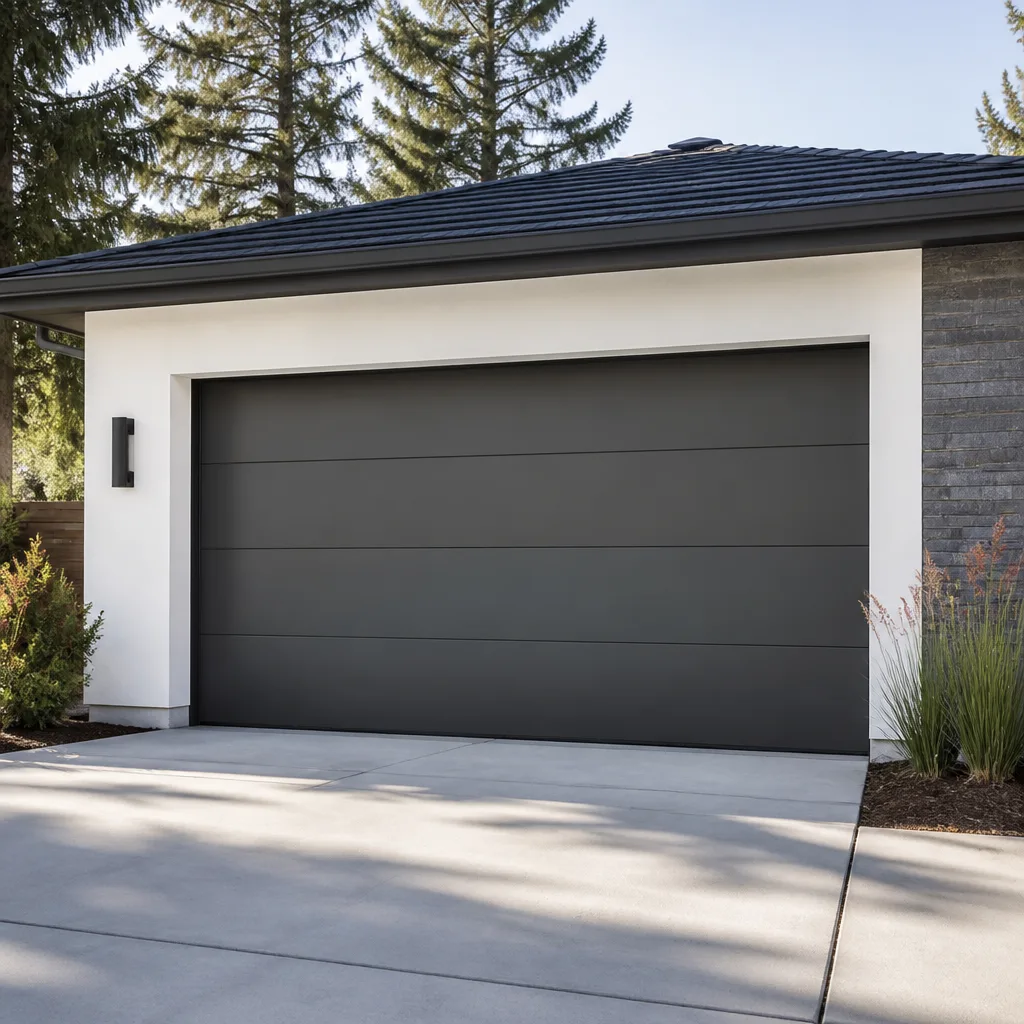 Modern flush
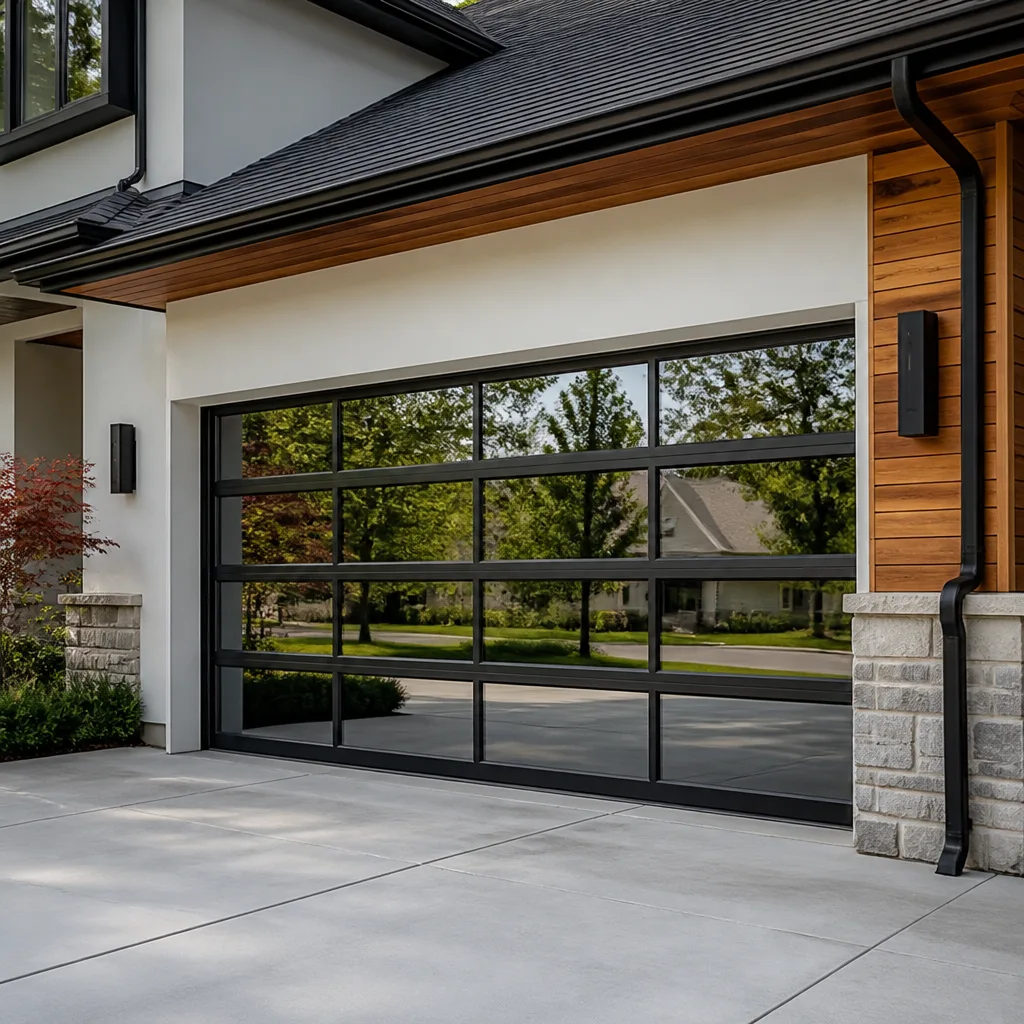 Full-view glass
 LiftMaster openers
 Chamberlain openers
Full 25-point door and opener safety check with every visit - springs, cables, rollers, tracks, and your LiftMaster or Chamberlain opener included
You get a price before we start. It does not change when the truck arrives.
Get your free estimateGarage Door Cost Breakdown: The Miami Homeowner’s Reference for 2026
The national average for a garage door replacement gets quoted at roughly $1,100, and every few months we get a call from a Miami homeowner asking why their quote came in at $1,800, $2,200, or more. The gap is real, and it isn’t because local companies are padding invoices. Miami sits inside a unique regulatory and climate envelope: Miami-Dade County product approval requirements, wind-load ratings engineered for hurricane conditions, and a permit process that exists for good reason. By the time you finish this guide, you’ll understand exactly where every dollar goes on a garage door project in this city, what’s negotiable, and what isn’t. For more guides & resources on keeping your door running smoothly, explore our blog. We’re writing this from the perspective of technicians who work on Miami garage doors every week, across eight major brands, and we’ll break down costs line by line without the fluff.
Styles & brands we work with
Quick Answer
A code-compliant garage door replacement in Miami typically runs between $1,800 and $3,400 in 2026, including the door itself, Miami-Dade NOA-approved hardware, permit fees, and installation labor. The entry point reflects a basic non-insulated steel door with standard coastal hardware, while the upper range covers insulated, impact-rated doors from brands like Clopay or Amarr in larger sizes. Opener replacement adds another $350 to $750 depending on horsepower and smart-home features.
Table of Contents
- Why Miami Garage Door Prices Run Higher Than the National Average
- What the Miami-Dade NOA Approval Premium Actually Buys
- Permit and Inspection Costs: What Miami-Dade Charges vs. Municipal Jurisdictions
- Hardware Upgrades for Coastal Conditions: Springs, Cables, and Hinges
- Opener Costs and Horsepower Requirements for Impact-Rated Doors
- What Separates a $1,600 Quote From a $2,400 Quote
- Common Mistakes to Avoid
- When to Call a Professional
- Frequently Asked Questions
- The Bottom Line
Why Miami Garage Door Prices Run Higher Than the National Average
If you Google “garage door replacement cost” you’ll see national figures that have nothing to do with what a homeowner in Kendall, Coral Gables, or Hialeah actually pays. Miami is not a national-average market. Three structural factors push local pricing upward, and none of them are going away in 2026.
First, Miami-Dade County operates under the strictest building code enforcement system in the state. Since Hurricane Andrew in 1992, the county has required that virtually every building product used in structural or envelope applications carry a Notice of Acceptance, commonly called an NOA. Garage doors fall squarely under this requirement. A door that’s perfectly legal in Jacksonville or Tampa may not be installable here unless the manufacturer has submitted it for Miami-Dade testing and paid the associated certification costs. That testing is expensive, and manufacturers amortize it across every unit sold in the county.
Second, coastal corrosion is not theoretical. Salt in the air along Miami’s barrier islands and within a few miles of Biscayne Bay eats standard galvanized hardware in two to three years. Coastal-rated springs, stainless or heavy-gauge powder-coated hinges, and corrosion-resistant cables cost more than the standard residential spec you’d find on a door in Orlando. Anyone who has lived here through two wet seasons knows what rust does to exposed metal. We’ve pulled openers off Miami Beach properties where the track bolts were fused solid after five years.
Third, permit costs and inspection requirements are real line items. Miami-Dade charges fees that many counties don’t, and municipalities within the metro add their own layers. You’ll see those numbers broken out in the permit section below.
Here’s what this means for you: when a Miami contractor quotes a door at $2,100 and a national website suggests $1,200, the gap isn’t greed. It’s the cost of a door that won’t fail during the next named storm and won’t be flagged by a building inspector. The Garage Door Repair in Miami market operates under these same conditions for fixes, not just full replacements.
What the Miami-Dade NOA Approval Premium Actually Buys
You’ll see “NOA-approved” on quotes and wonder what you’re actually paying for. It’s a fair question, because the premium is real: an NOA-listed Clopay, Amarr, or Wayne Dalton door typically costs 15% to 30% more than an identical-looking model from the same manufacturer that lacks Miami-Dade approval.
Here’s what the manufacturer had to prove to get that NOA:
- Wind-load testing. The door was mounted in a test rig and subjected to simulated hurricane-force pressures. Miami-Dade requires resistance to design wind speeds that vary by location within the county but commonly exceed 140 mph for new installations in coastal zones.
- Impact resistance verification. For impact-rated doors, the manufacturer fired 2×4 lumber or steel balls at the door sections at specified speeds. The door must not penetrate. This matters because a breached garage door during a hurricane creates a pressure differential that can lift your roof off.
- Cycle testing. The door was opened and closed tens of thousands of times under load to verify the springs, hinges, and track system hold up. The county cares about this because a garage door that fails mechanically can’t protect the structure.
- Material and hardware documentation. Every component, down to fasteners, must be enumerated and evaluated. You cannot substitute a hardware part for a cheaper alternative after approval.
In practical terms, that NOA premium is an insurance policy baked into the product. It also affects resale value and insurance underwriting in Miami, where some carriers ask whether the garage door meets current wind code before writing or renewing a homeowner’s policy. We work on all eight major brands because Miami homeowners have a mix of approved and non-approved doors installed over different code eras, and knowing what’s grandfathered versus what needs replacement matters when a repair comes up.
Permit and Inspection Costs: What Miami-Dade Charges vs. Municipal Jurisdictions
Every legal garage door replacement in Miami requires a permit. Some homeowners balk at this, and we get asked constantly why a “simple door swap” needs paperwork. The answer is that the door is part of the building envelope, and Miami-Dade treats it accordingly. See our Garage Door Permits, Codes & Inspections in FL: What You Need to Know for a deeper breakdown.
As of 2026, a typical garage door permit in unincorporated Miami-Dade County runs between $120 and $250 depending on the project valuation and whether an opener is included. But here’s where municipal variation shows up:
- City of Miami: Generally adds its own fee on top of county requirements, pushing total permit cost toward the $200 to $350 range.
- Coral Gables: Known for stricter aesthetic and documentation review, which can add time and a modest surcharge.
- Hialeah: Tends to be more streamlined, with fees closer to the county baseline.
- Miami Beach: Requires additional corrosion and wind documentation, and permit fees on the higher end of the range.
- Kendall and other unincorporated areas: County rates apply without city layers.
Inspections are typically scheduled after installation and are included in most quotes, but beware of the low-bid contractor who excludes them and tells you to handle it yourself. You cannot legally pull a permit as a homeowner in many Miami-Dade jurisdictions unless you sign an owner-builder affidavit, and if the door fails inspection, the contractor is the one who must return to fix it. We include permits in every Garage Door Installation in Miami quote because cutting that corner creates liability for the homeowner, not the contractor.
Hardware Upgrades for Coastal Conditions: Springs, Cables, and Hinges
The door itself is only half the system. The hardware that lifts, guides, and holds it is where Miami conditions demand higher-spec materials than the national default. If your quote includes “coastal hardware upgrade,” here’s what that line item should cover and roughly what it adds:
- Springs: Standard torsion springs are galvanized steel. Coastal-grade springs are often oil-tempered with a heavier zinc coating or a rust-inhibiting finish. Expect $40 to $90 more per spring compared to basic spec.
- Cables: Aircraft-grade stainless steel cables resist salt corrosion far longer than standard steel. The upgrade is typically $30 to $60 per door.
- Hinges and rollers: Heavy-gauge hinges with powder coating and nylon ball-bearing rollers survive coastal humidity better. Adds $50 to $120 depending on door size and panel count.
- Track and fasteners: Galvanized track is standard; stainless fasteners are not. Upgrading all mounting hardware adds $40 to $80.
Combined, a full coastal hardware package adds between $160 and $350 to a typical replacement. In our experience working across Miami neighborhoods, this is the most undervalued line item. A door installed with standard interior-grade hardware starts showing rust blooms on exposed fasteners within 24 months anywhere east of I-95. We diagnose failures on Wayne Dalton and Amarr doors frequently, and in coastal zip codes, the failure is almost never the panel itself. It’s hardware corrosion or spring fatigue from humid and salt-laden air cycling through the garage.
Opener Costs and Horsepower Requirements for Impact-Rated Doors
Impact-rated and heavily insulated garage doors weigh more than a standard steel door, sometimes significantly. A 16-foot insulated impact door from Clopay or Amarr can weigh 30% to 50% more than a basic non-insulated equivalent. That weight drives opener selection, and opener selection drives cost.
Here’s what we typically see in Miami:
- 1/2 HP chain-drive opener: $180 to $280 for the unit. Fine for lightweight single doors, but underpowered for heavy hurricane-rated doubles. Installing one on a heavy door shortens its life and causes premature gear failure.
- 3/4 HP belt or chain drive: $250 to $400. The minimum we recommend for most Miami double doors, especially insulated or impact-rated models.
- 1 HP or higher with DC motor: $350 to $550. Needed for the heaviest impact doors and for silky operation. Belt drive adds quietness, which matters if you have bedrooms above the garage, a common South Florida floor plan.
- Smart-enabled units (Genie Aladdin, LiftMaster/Chamberlain myQ): Add $50 to $120 over equivalent non-connected models. These let you monitor door status and open or close remotely, which matters for Miami homeowners who travel and want to verify the door is down during afternoon storms.
Our Garage Door Opener Repair in Miami work spans both smart ecosystems and traditional units, and the most common failure we see is an opener that was undersized for the door it’s lifting. A 1/2 HP unit on a heavy impact door burns through gears. In a humid salt-air environment, those plastic gears strip faster than in dry climates. If your door is heavy and your opener has been replaced more than once, the horsepower rating, not the opener brand, is usually the culprit.
What Separates a $1,600 Quote From a $2,400 Quote
You’ll get quotes for a similar-spec door that differ by $800 or more, and you need a framework for evaluating which is fair. Both quotes might be honest. One might be leaving things out. Here’s how we’d want a Miami homeowner to think about it.
Line items that are worth paying for:
- NOA documentation. If the $1,600 quote says “wind-rated door” but won’t produce an NOA number, it isn’t legal in Miami-Dade, and you’ll pay to fix it later.
- Coastal hardware upgrades. The $1,600 quote may include standard interior hardware. The $2,400 quote is likely spec’d with stainless cables and coated hinges. That’s real value in this climate.
- Permits and inspections included. A contractor who includes permit fees and schedules the inspection is charging for work they actually intend to do. Excluding permits is a race-to-the-bottom tactic.
- Old door haul-away and disposal. Miami waste transfer stations charge for construction debris. Whether it’s included or line-itemed, it’s a legitimate cost, typically $75 to $150.
- Labor quality and warranty. A crew that installs doors every day in Miami costs more than a general handyman who does doors occasionally. The Kingsway standard is eight brands and one trade, which means we’ve diagnosed the failure modes across LiftMaster, Chamberlain, Genie, Clopay, Amarr, Wayne Dalton, Craftsman, and Raynor, and that depth shows in the install.
Line items that are margin padding:
- “Premium installation” as a vague surcharge with no explanation of what materially changes.
- Extended warranties you didn’t ask for. Manufacturer warranties exist. Third-party warranty add-ons with high fees are usually recurring-cost products.
- Unexplained “fuel” or “travel” surcharges folded into the quote rather than disclosed upfront.
- Padding on the same opener model. A Chamberlain opener costs what it costs. If the quote marks it up 60% over retail and separates it from a labor charge, ask why.
The right fix, not the easiest upsell, means a quote that explains its line items. We’ve had Miami homeowners send us competitor quotes that listed a door, an opener, and $700 of “miscellaneous” with no further detail. That’s not a plan. That’s a guess, and you’re the one guessing wrong.
Common Mistakes to Avoid
- Buying on national price benchmarks. If the number you’re anchored to came from a website that doesn’t mention Miami-Dade NOA requirements, you’re comparing against a door that can’t legally be installed here. The gap isn’t being overcharged; it’s the cost of a door that won’t fail inspection.
- Skipping the permit to save $150. Unpermitted work gets flagged during resale inspections, and Miami-Dade is relentless on this. You’ll pay more to remediate later than the permit cost today, and unlicensed work can void insurance claims after a storm.
- Installing a non-coastal door east of I-95. Even if you find a deal, salt air will destroy the hardware within three years. You’ll pay for the door twice: once now, once in replacement springs, cables, and hinges.
- Undersizing the opener on an impact door. A 1/2 HP opener on a heavy Amarr or Wayne Dalton hurricane-rated door is a premature failure waiting to happen. Match the motor to the door weight, not the price tag.
- Accepting a quote with vague line items. “$700 miscellaneous” is not an estimate. Request a breakdown before you sign, and walk away if they won’t provide one.
- Assuming all NOA doors are impact-rated. NOA approval covers wind resistance. Impact rating is a separate designation. If you want debris protection, verify both, especially in coastal evacuation zones.
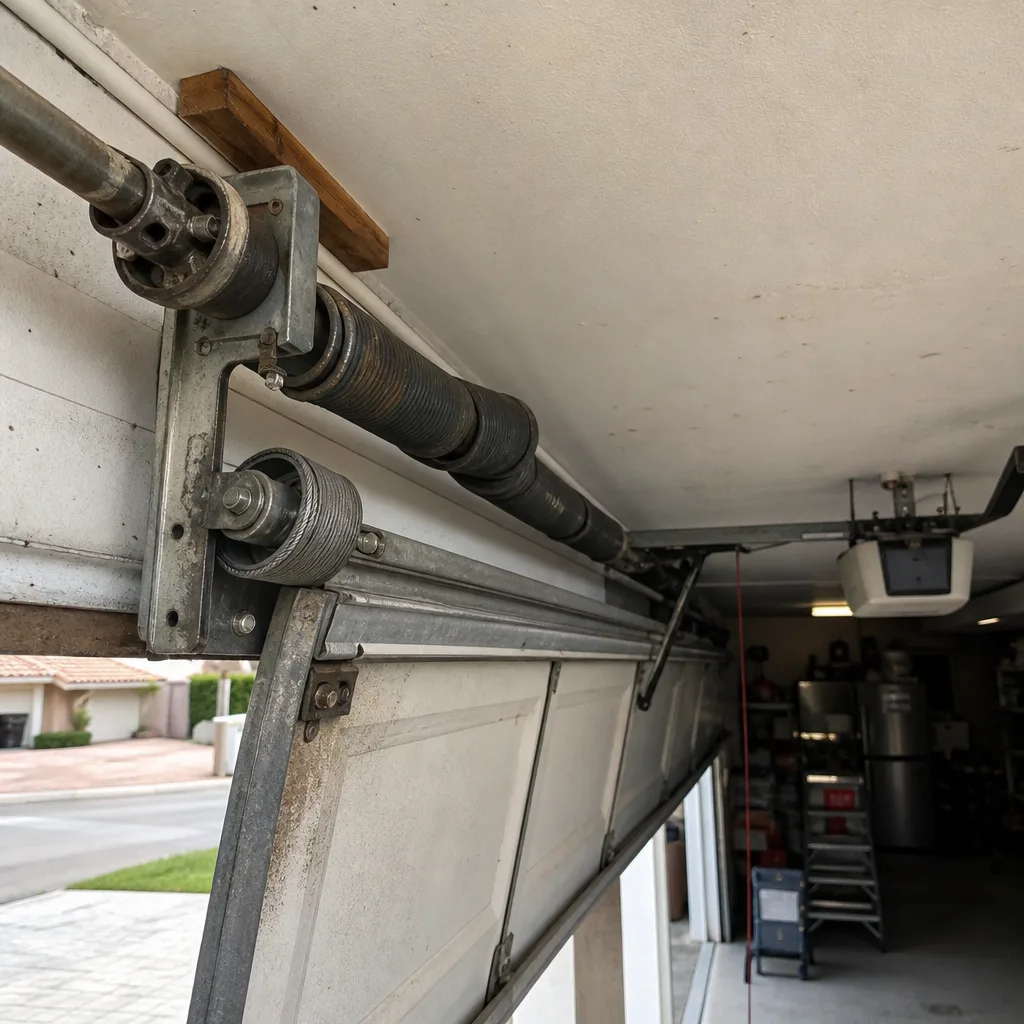
- Deferring spring replacement to “later.” Torsion springs under load in Miami’s humidity fail abruptly, not gradually. When a spring breaks, the door becomes extremely dangerous to operate manually. If your door is 10+ years old and the springs have never been replaced, budget for it now rather than during a storm. This is genuinely dangerous; spring work should never be DIY, given the stored energy involved.
When to Call a Professional
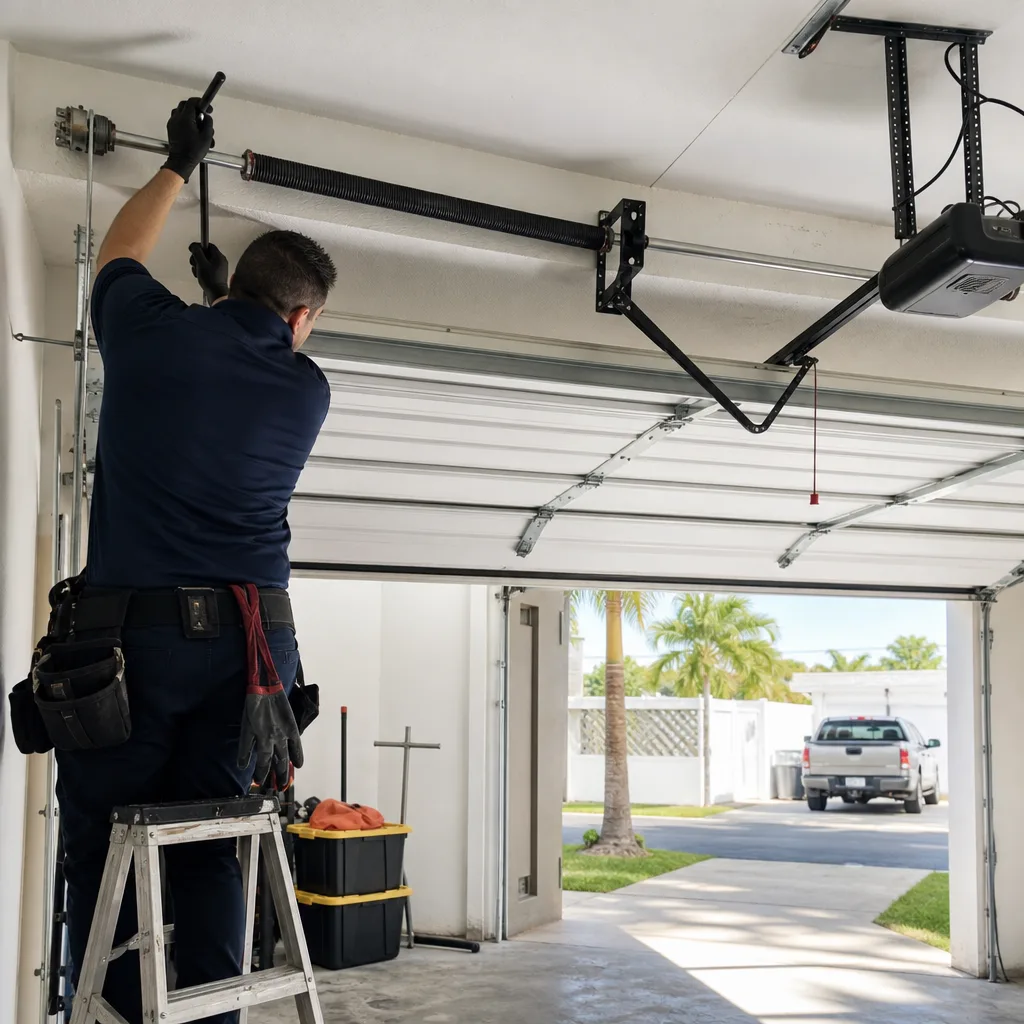
Some garage door work is routine and some is genuinely dangerous, and knowing which is which keeps you out of trouble. If your door has a broken torsion spring, a snapped cable, or the track has separated from the wall, do not attempt a fix yourself. Torsion springs hold enough stored mechanical energy to cause serious injury or worse when released improperly. Same story for any repair involving the door’s weight-bearing components. If your opener is making grinding noises on a smart-unit like a Genie Aladdin or myQ system, the gear assembly is failing and continued use will damage adjacent components. For these situations, Kingsway Garage Door offers free estimates in Miami and our technicians work on what you have, whether it’s a broken spring, a failing opener, or a door that needs full replacement. Review our Garage Door Repair Maintenance Checklist for Miami Homeowners to spot problems before they become emergencies. Call (866) 282-5541.
Frequently Asked Questions
A code-compliant garage door replacement in Miami typically runs between $1,800 and $3,400, including the door, NOA-approved hardware, coastal-grade components, permit fees, and installation labor. The final number depends on door size, insulation level, impact rating, and where in Miami-Dade County you live. Call (866) 282-5541 for an exact quote; our estimates are free and the price is agreed before any work starts.
Miami garage door prices run higher because Miami-Dade County requires NOA product approval, coastal hardware upgrades resist salt-air corrosion, and permits plus inspections add $120 to $350 per project, all of which are costs that don’t apply in most national markets. A door from Clopay, Amarr, or Wayne Dalton that carries Miami-Dade approval costs more than an identical non-rated model because the manufacturer paid for wind-load and impact testing.
No, the NOA approval is not optional in Miami-Dade County; an unapproved door will fail inspection, creates liability at resale, and may invalidate homeowners insurance claims after a storm. Contractors who propose installing non-approved doors are cutting the wrong corner, and the savings never offset the exposure. Call (866) 282-5541 to discuss approved options for your specific door size.
A garage door permit in unincorporated Miami-Dade County typically costs between $120 and $250 in 2026, while municipal jurisdictions like the City of Miami, Coral Gables, or Miami Beach add their own layers that can push the total to $350. Reputable contractors include this in the quote; if it’s missing, ask whether it’s been excluded to make the bid look lower.
An opener replacement in Miami adds $350 to $750 installed, depending on whether you need a basic 3/4 HP unit or a higher-powered DC motor with smart-home features like myQ or Genie Aladdin integration. Heavy impact-rated doors require 3/4 HP minimum, and larger units often call for 1 HP, either of which is above the cheapest 1/2 HP chain-drive option. Call (866) 282-5541 for a quote on your specific setup, with the price agreed before we begin.
Kingsway Garage Door is brand-agnostic and works on eight major manufacturers: LiftMaster, Chamberlain, Genie, Clopay, Amarr, Wayne Dalton, Craftsman, and Raynor. The right fix, not the easiest upsell, is the operating principle; if a repair makes sense, our technicians will tell you. If replacement is warranted, we’ll explain exactly why and quote it transparently. Call (866) 282-5541 for a free estimate in Miami.
The Bottom Line
The number on a Miami garage door quote looks higher than national averages because it should. You’re paying for a door that meets Miami-Dade’s strict NOA requirements, hardware that won’t rust out in two years of salt air, and a permit that keeps you legal when you sell or make an insurance claim. Budget $1,800 to $3,400 for a full replacement in 2026, with the spread driven by door size, insulation, impact rating, and hardware spec. Our Garage Door Emergency Preparedness Guide for Miami Homes explains how to protect this investment when storms hit. Ask for line-item quotes, confirm NOA status, match your opener horsepower to the door weight, and walk away from any bid with unexplained charges. Eight brands, one specialist: Kingsway Garage Door handles repair, opener repair, and new installation across the major manufacturers Miami homeowners actually have. Call (866) 282-5541 for a free estimate, and our technicians will quote you a price before any work begins.
Written by the team at Kingsway Garage Door home, serving Miami since 2015.
See the difference
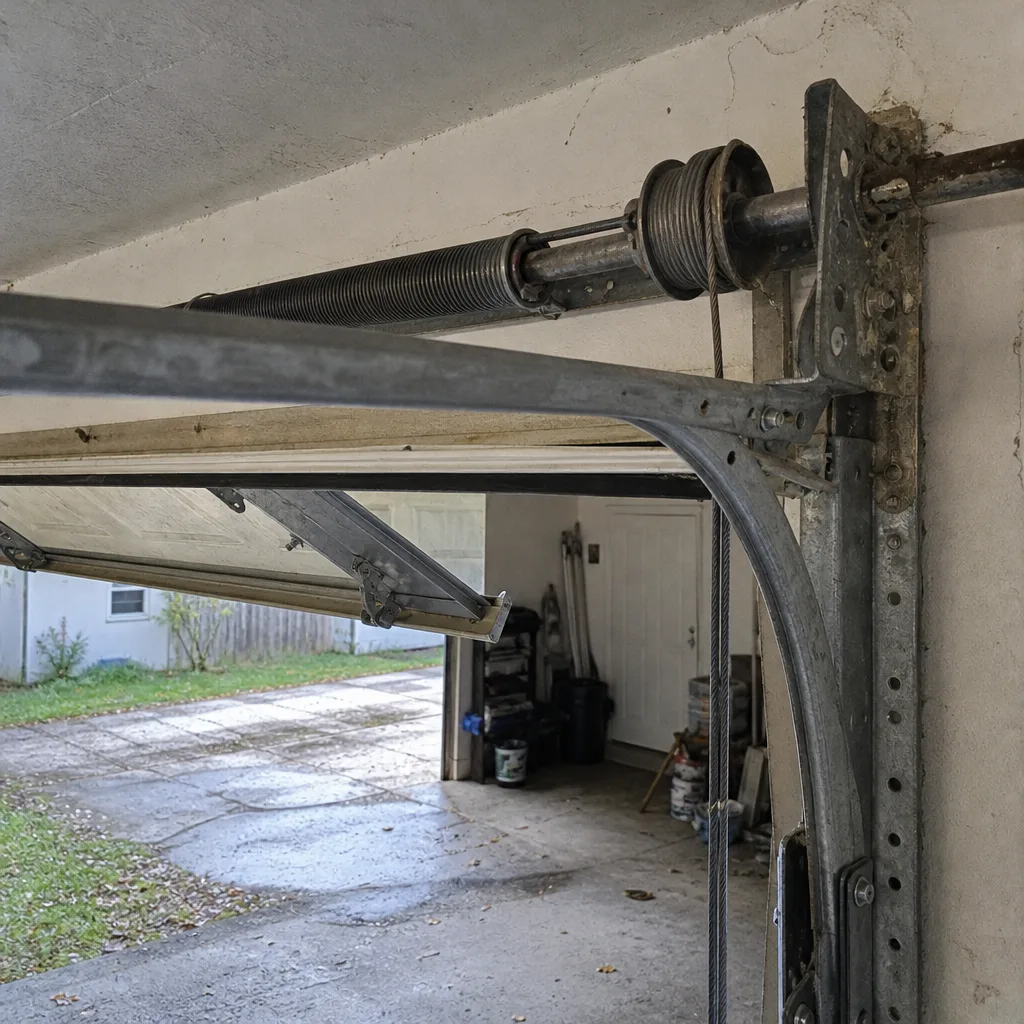
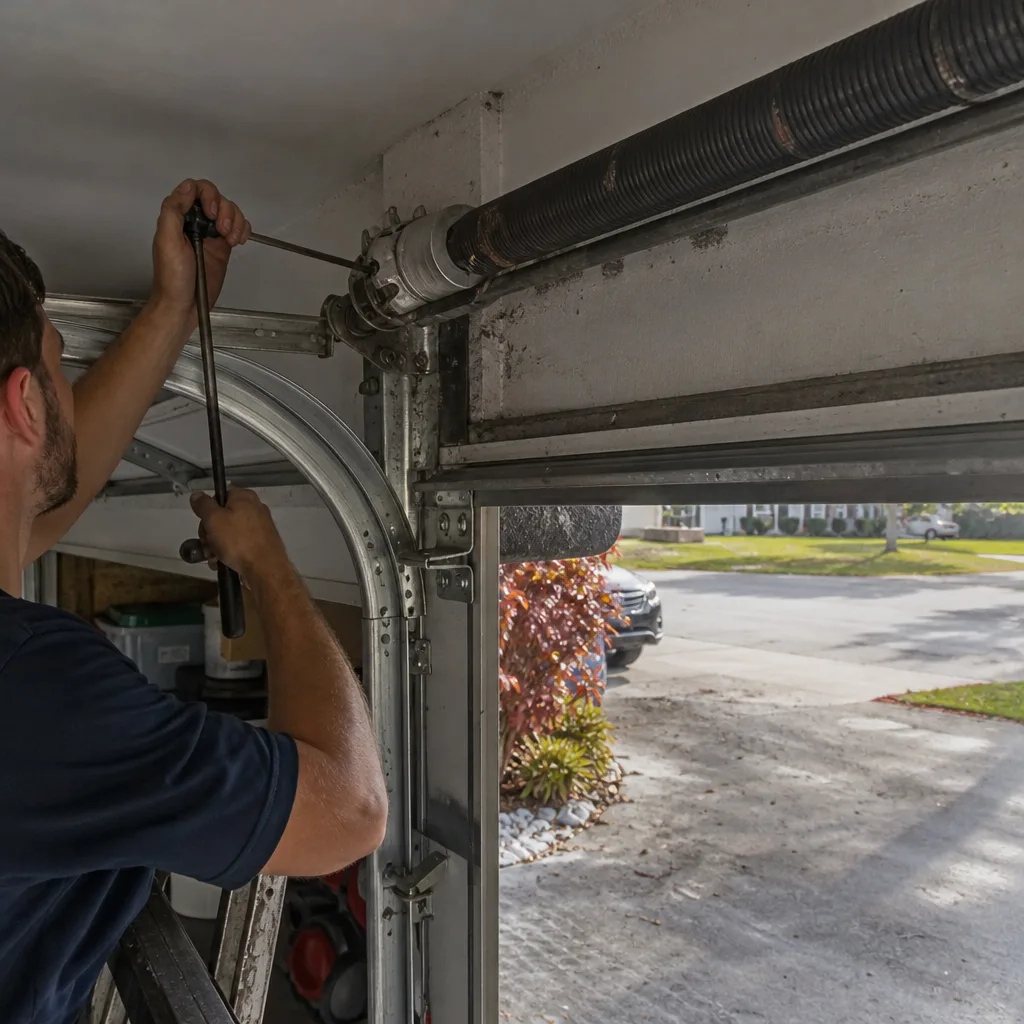
 Before
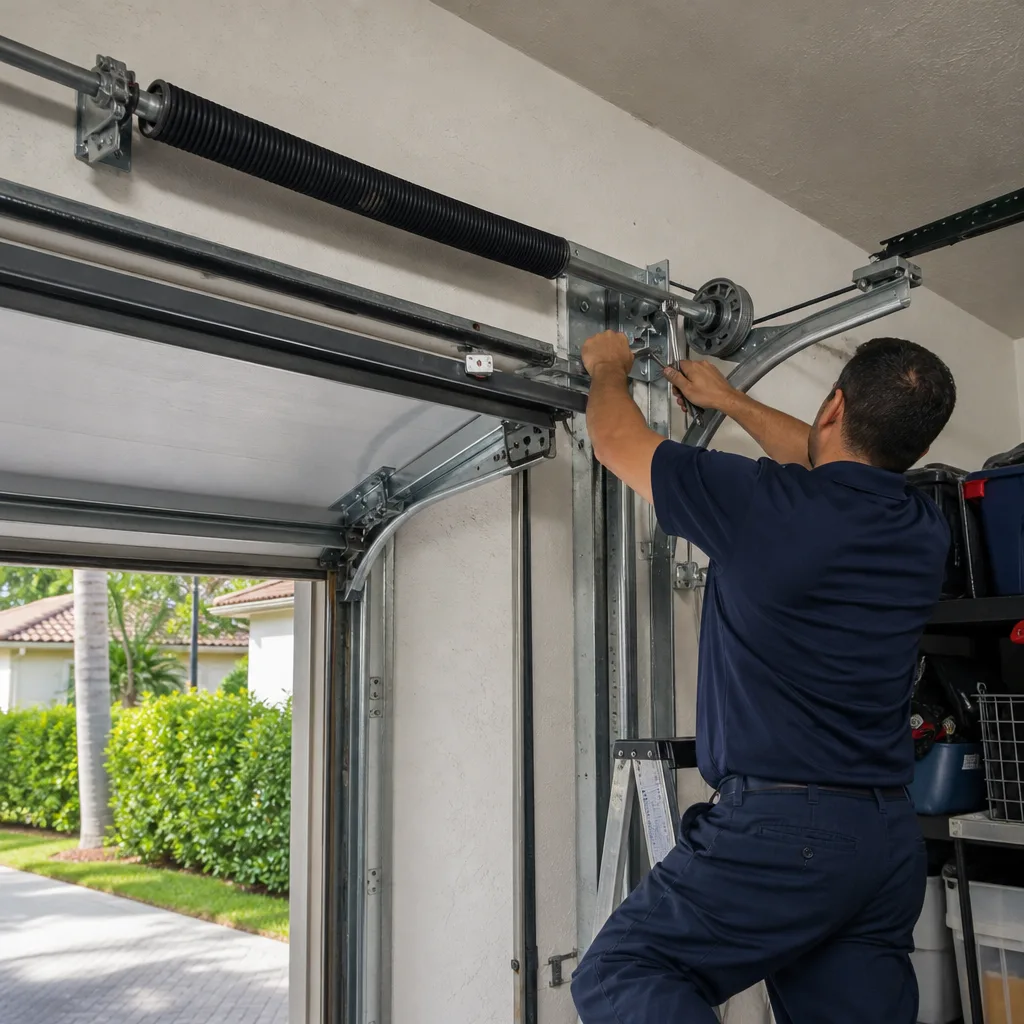
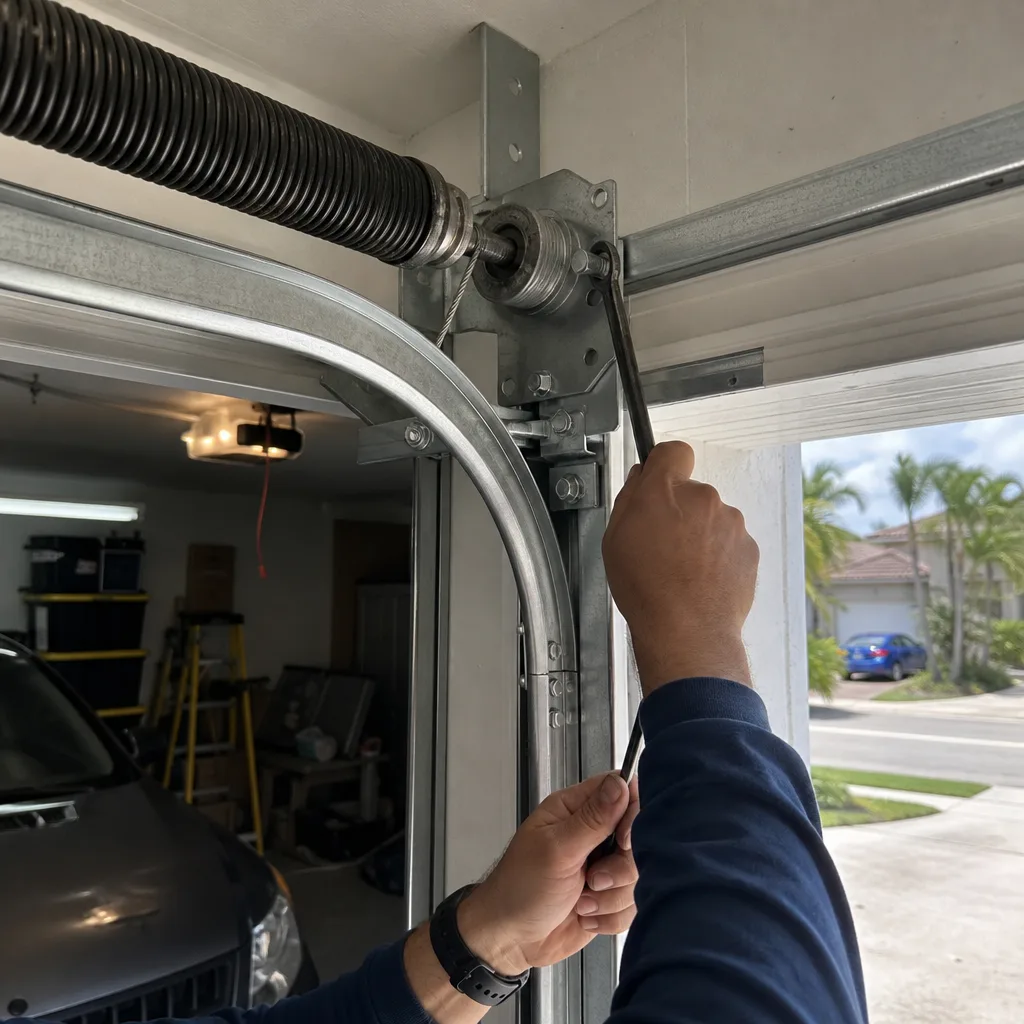
 After
 Before
 After
 Before
 After