
Last updated October 30, 2026
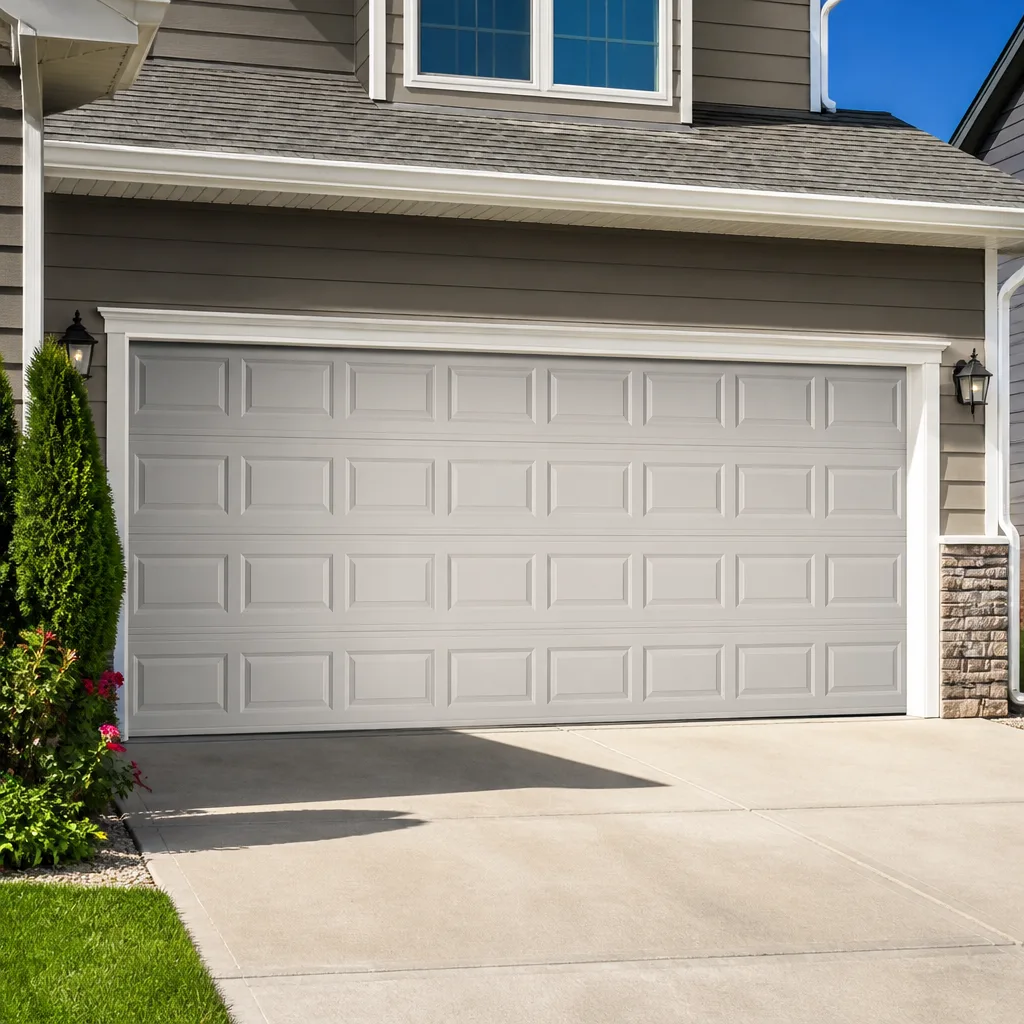 Raised-panel steel
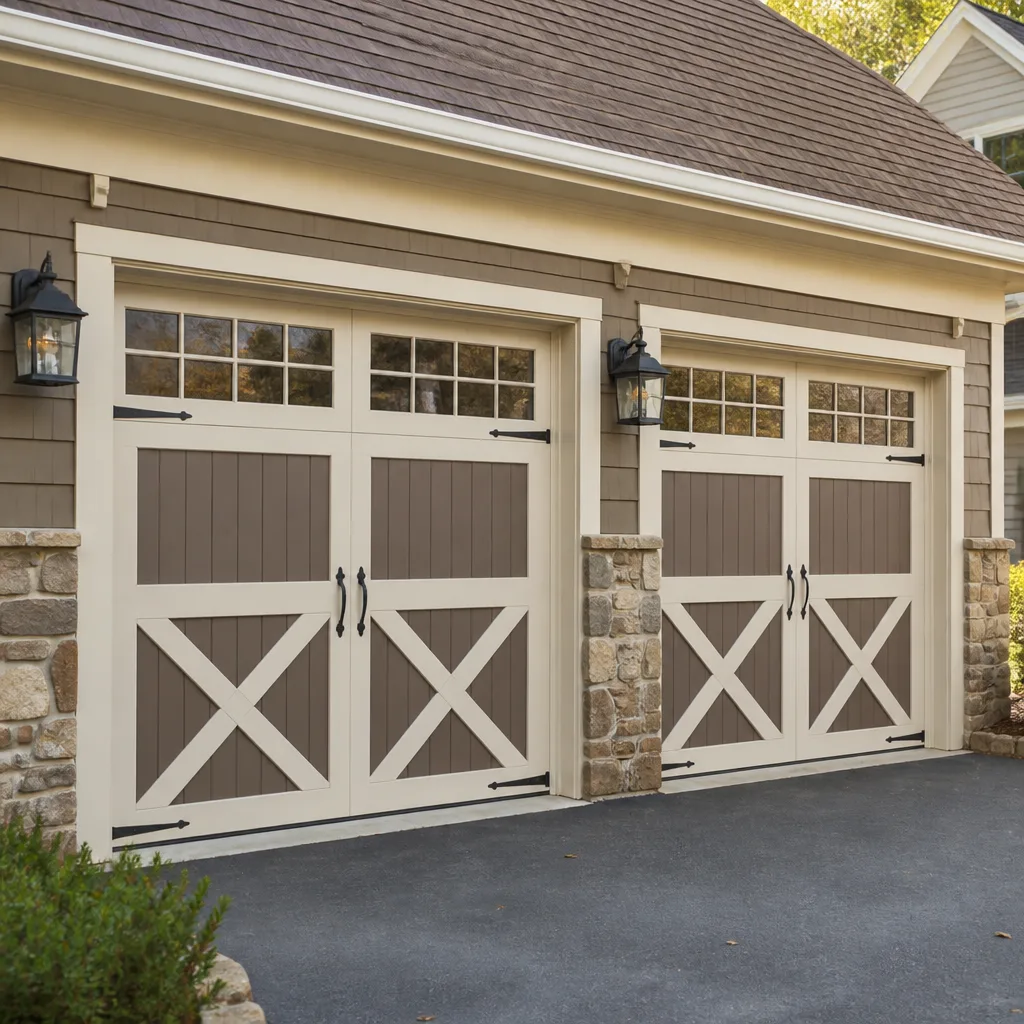 Carriage house
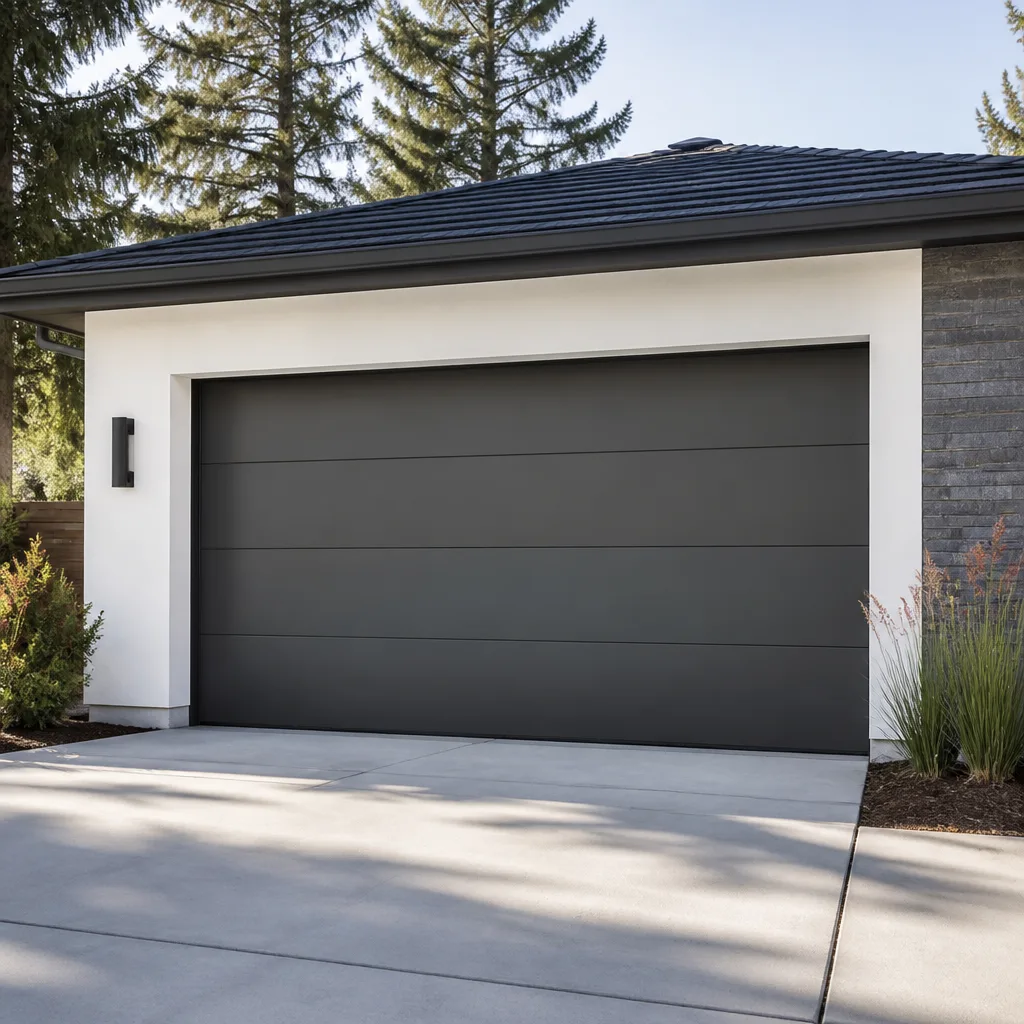 Modern flush
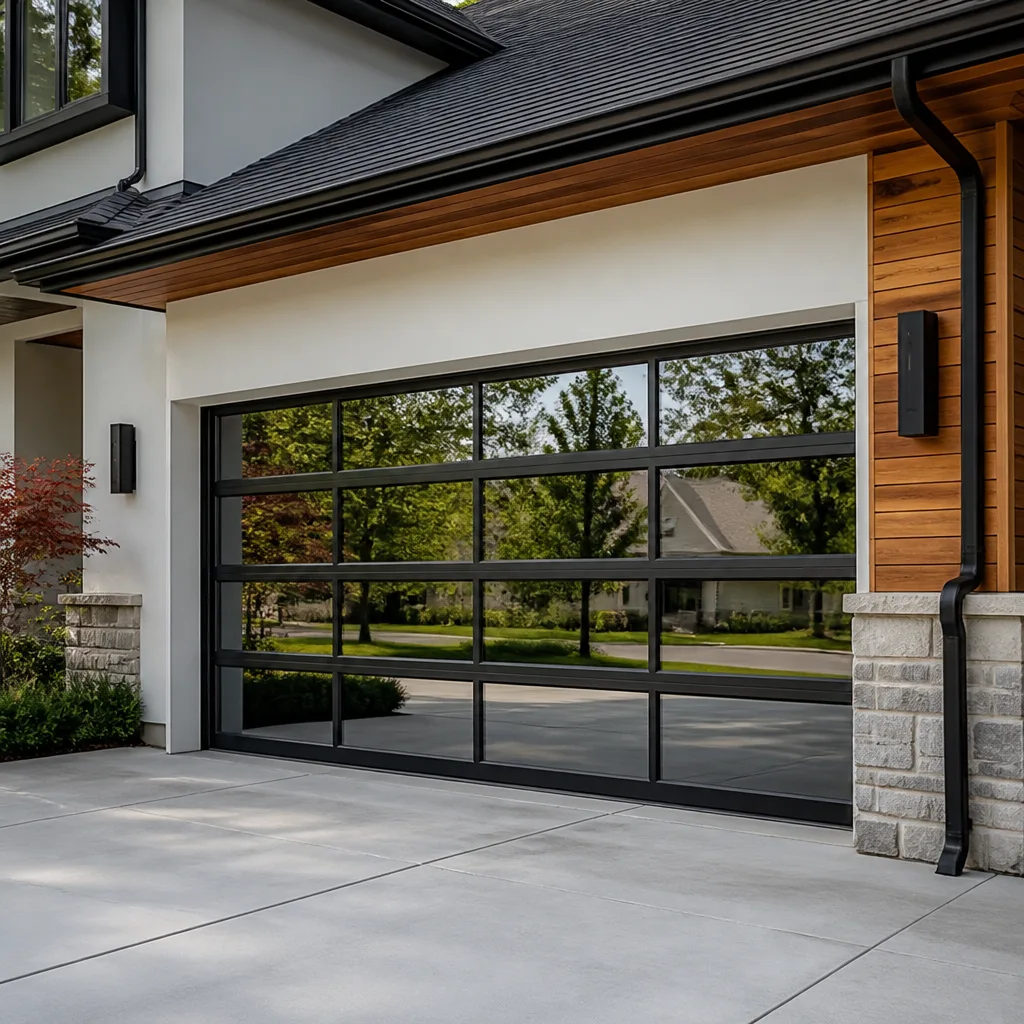 Full-view glass
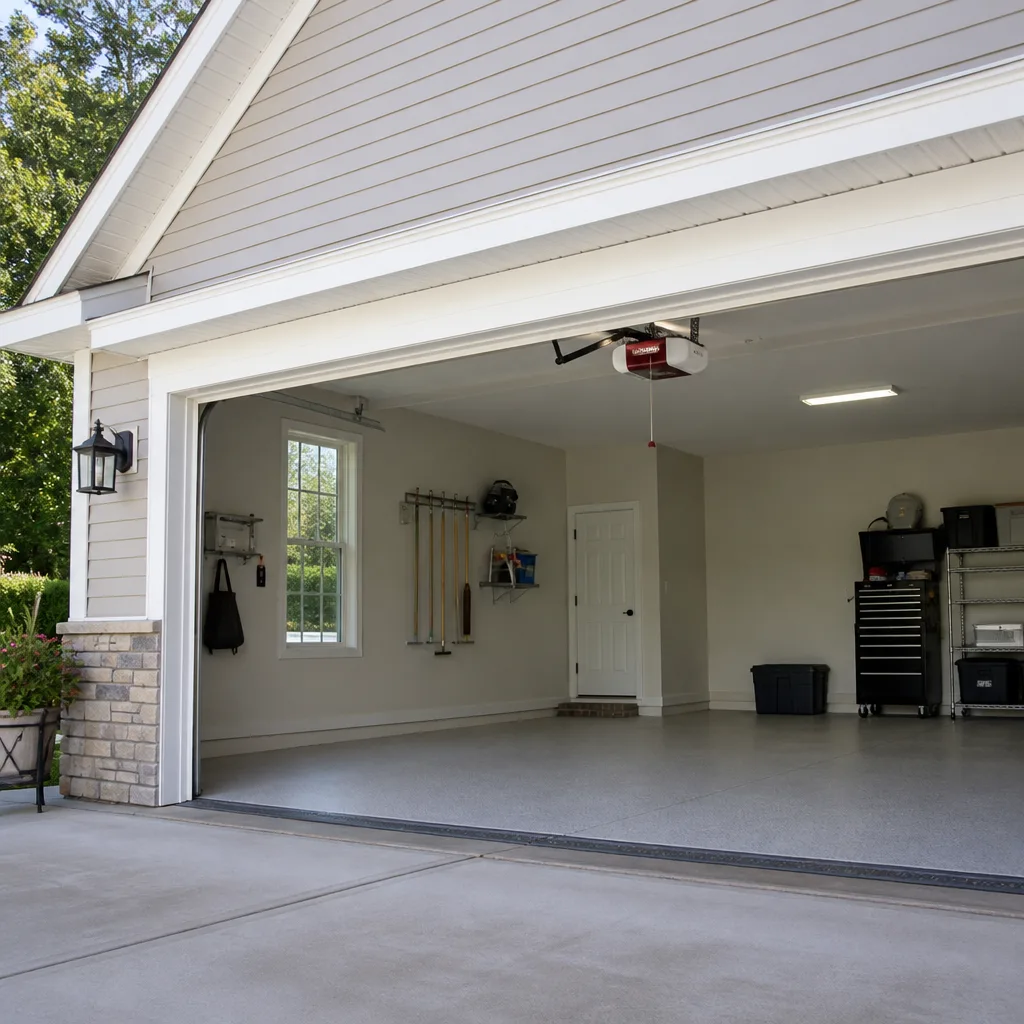 LiftMaster openers
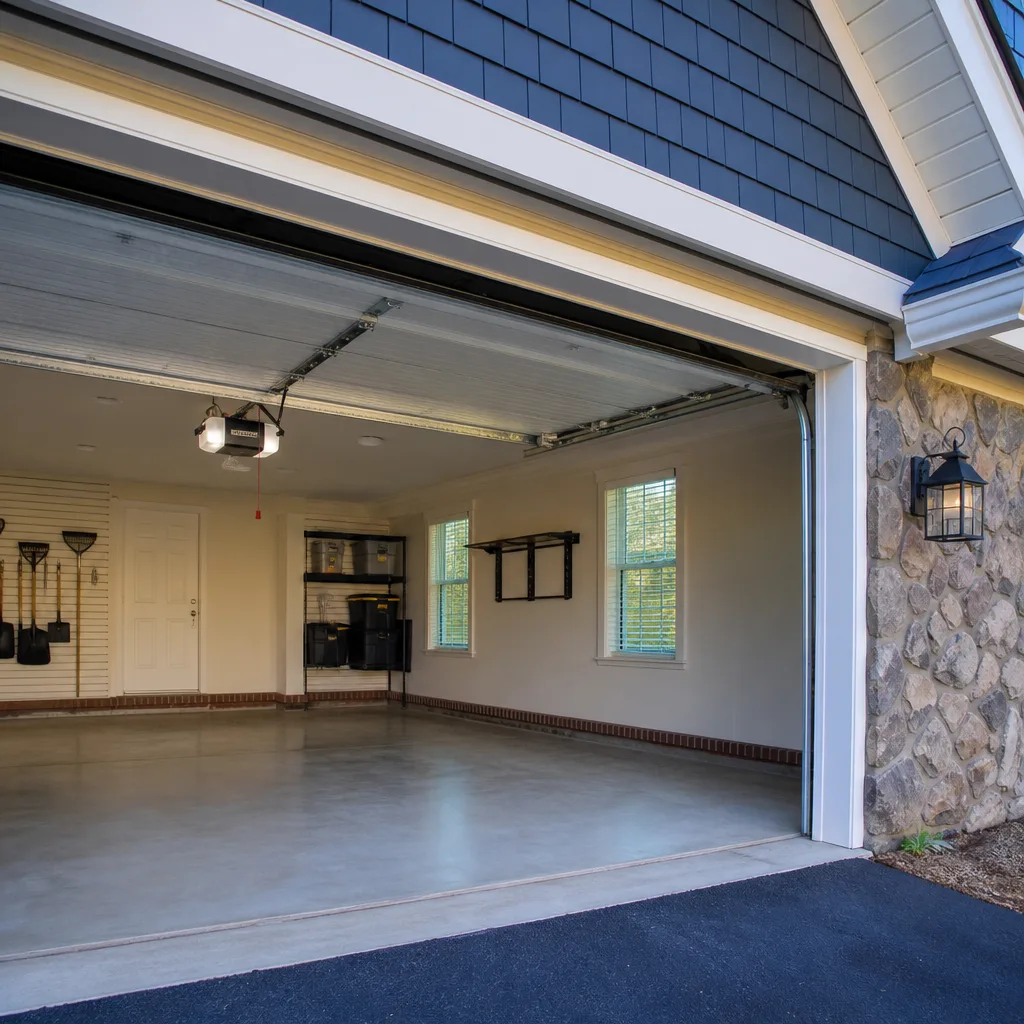 Chamberlain openers
Full 25-point door and opener safety check with every visit - springs, cables, rollers, tracks, and your LiftMaster or Chamberlain opener included
You get a price before we start. It does not change when the truck arrives.
Get your free estimateDIY vs Professional Garage Door: The Miami Homeowner’s Decision Guide
In most of the country, the DIY-versus-professional garage door debate ends with a simple cost comparison. In Miami, it ends with a codebook. Florida’s building regulations, particularly Miami-Dade County’s wind-load requirements, don’t just make DIY installation harder. They make it legally impossible for the scope of work most homeowners assume they can handle themselves. A homeowner in Ohio can swap out a garage door over a weekend and no government agency will ever ask a question. A homeowner in Miami who does the same thing has installed an unpermitted structural component on a house that sits in a hurricane zone. The insurance implications of that decision sit underneath every other consideration in this guide, and we’ll walk through exactly what that means for your home, your policy, and your budget.
Quick Answer
For minor upkeep and adjustments like lubricating hinges, aligning photo-eye sensors, or programming a remote, DIY works fine in Miami. For anything involving a full door installation, torsion spring work, or cable replacement, Miami’s wind-rating codes, permit requirements, and the physical weight of hurricane-rated doors push this work squarely into professional territory. The single most common DIY garage door job, spring replacement, is also the one most likely to send you to an emergency room.
Styles & brands we work with
Table of Contents
- What Florida Law Actually Says About DIY Garage Door Work
- The Safe DIY List: Tasks Miami Homeowners Can Do Themselves
- The Dangerous DIY List: Why Spring and Cable Work Should Never Be DIY
- Miami’s Wind-Rating Problem: Heavier Doors, Higher Stakes
- How DIY Installation Voids Your Manufacturer Warranty
- The Real Cost Comparison: When DIY Actually Costs More
- Why Brand Familiarity Changes the Repair Equation
- Common Mistakes to Avoid
- When to Call a Professional
- Frequently Asked Questions
What Florida Law Actually Says About DIY Garage Door Work
Here’s the part most Miami homeowners miss: Florida’s building code treats garage doors as part of the building envelope. That means a garage door in Miami-Dade County isn’t furniture. It’s a structural component the same way a roof or an exterior wall is a structural component. The code requires garage doors in hurricane zones to meet specific wind-load ratings, and those ratings have to be verified through product approvals known as NOAs, short for Notice of Acceptance.
Miami-Dade County runs its own product approval system separate from the rest of Florida. A Raynor door that’s approved for use in Broward might need a different NOA for Miami-Dade. This matters because when you pull a permit for a garage door replacement, the permit office checks that the specific door model carries a valid Miami-Dade NOA. If it doesn’t, the permit gets denied. If you skip the permit entirely and install the door anyway, you’ve created a compliance problem that surfaces later at inspection time, during a home sale, or when you file a storm damage claim.
Can a homeowner legally pull their own permit for a garage door replacement in Miami? In most Florida municipalities, the answer is yes for owner-occupied single-family homes. But pulling the permit is not the same as performing the work. The bigger obstacle is the NOA compliance requirement. Your permit application has to list the door manufacturer, model, and wind-load rating, and the installer has to certify the installation followed the manufacturer’s approved instructions. Most homeowners don’t have access to the installation manuals manufacturers distribute only to certified dealers. And if you install a wind-rated door incorrectly, the NOA becomes meaningless. A door that was engineered to withstand 170 mph winds but was installed with the wrong anchor pattern or missing reinforcement struts won’t perform to its rating. The county knows this, and that’s why they want a licensed contractor’s name on the permit.
The practical result: DIY garage door replacement in Miami isn’t a cost-saving strategy. It’s a liability-generating one. We work on doors across eight major brands, and every wind-rated door we install comes with the same requirement: the installation has to match the NOA documentation exactly. There’s no shortcut around that, regardless of how handy you are.
The Safe DIY List: Tasks Miami Homeowners Can Do Themselves
Not everything requires a truck roll. Some maintenance tasks are genuinely approachable for a homeowner with basic tools and a little patience. None of the following items involve high-tension components or structural changes, which is why they’re safe to handle on your own.
1. Lubricating Moving Parts
Miami’s humidity and salt air corrode metal faster than almost any other climate in the country. Hinges, rollers, and springs benefit from a silicone-based lubricant applied every three to four months. Don’t use WD-40, which is a solvent and will actually strip away existing lubrication. Use a white lithium grease or a dedicated garage door lubricant, and keep the application light. This is a fifteen-minute job that extends the life of the moving parts.
2. Photo-Eye Sensor Alignment
When an opener refuses to close and the lights blink, the photo-eye sensors near the bottom of the door tracks have usually been knocked out of alignment by a bump from a trash can or a child’s bike. The fix is simple: loosen the wing nut on the sensor bracket, adjust it until both lights are solid, then retighten. Clean the lenses with a soft cloth while you’re down there. Miami’s pollen and dust build up on those sensors faster than you’d expect.
3. Remote and Keypad Programming
Programming a new remote or keypad is straightforward on most modern openers. LiftMaster and Chamberlain units use a learn button on the motor housing. You can find the exact steps in the owner’s manual, and most issues come down to paired remotes reaching their limit or button batteries dying. If you’re dealing with a myQ-connected opener and the app won’t sync, the fix usually involves holding down the learn button until the unit beeps, then re-pairing through the app.
4. Weatherstrip Replacement
The rubber seal along the bottom of your garage door wears out faster in Miami’s heat. When it cracks or flattens, water, insects, and humidity start coming in under the door. Replacement bottom seals and threshold strips are available at hardware stores, and the job takes about an hour. Just make sure you buy the right profile for your specific door brand. A seal made for a Clopay door won’t necessarily slide into the T-channel on an Amarr door.
5. Track Inspection and Tightening
Loose track bolts cause doors to bind and shake. You can inspect the vertical and horizontal track sections for loose hardware and tighten anything that’s wiggled free. Use a level to check that the vertical tracks are plumb. Don’t loosen the track brackets themselves; the track has to maintain its original clearance relative to the door sections, and resetting it incorrectly can cause the door to jump the track.
The Dangerous DIY List: Why Spring and Cable Work Should Never Be DIY
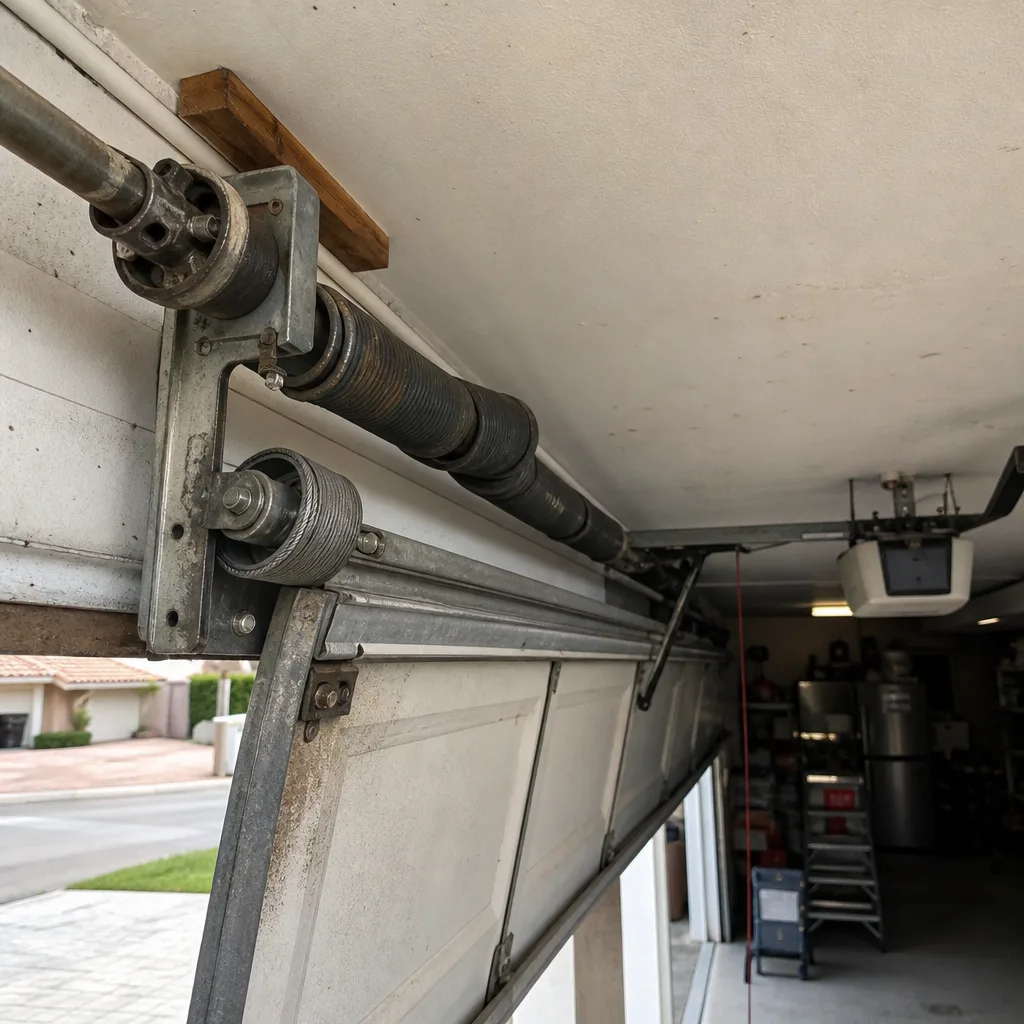
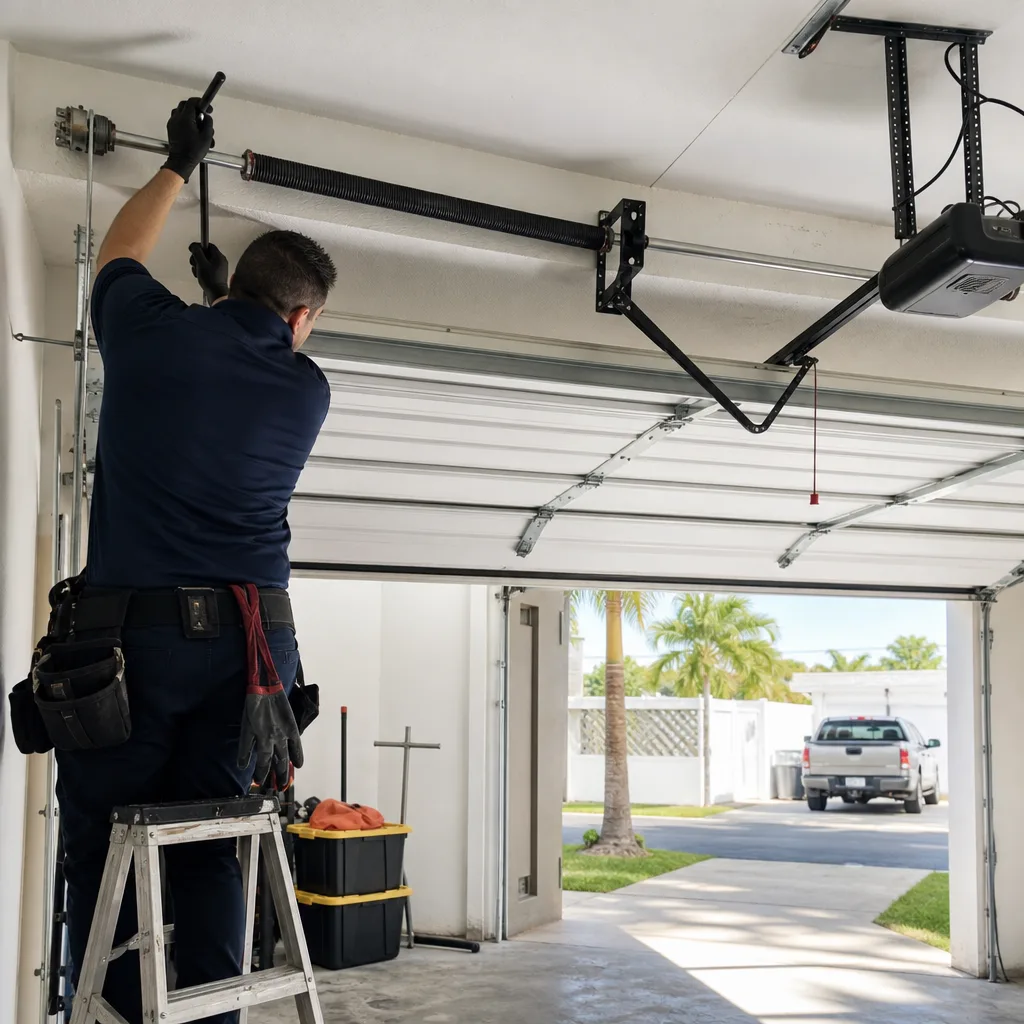
Torsion springs are the most dangerous component in residential construction. That’s not hyperbole. A torsion spring on a single-car garage door stores enough energy to lift roughly 350 to 450 pounds, and a double-car door can store twice that. When a torsion spring breaks, that energy gets released. When a homeowner attempts to replace one without the proper winding bars and technique, that energy gets released into whatever body part is in the path.
Every year, people are killed by garage door torsion springs. The number isn’t published in a tidy annual report, but emergency room staff in Florida see these injuries every spring and summer: lacerated fingers, broken wrists, facial trauma, and worse. The winding process requires two steel rods inserted into specific holes on the winding cone, and the spring is tensioned in quarter-turn increments while under load. A slip at the wrong moment sends the bar spinning with enough force to shatter bone. The risk isn’t just for novices. Experienced technicians treat torsion springs with genuine respect because they’ve seen what happens when respect slips.
Extension springs, found on some older doors, are only marginally safer. They run along the horizontal tracks on both sides of the door, and when they snap, they become projectiles. Modern code requires safety cables through the springs so a broken spring stays contained, but older Miami homes often predate that code requirement. If your home was built before the mid-1990s and still has the original door hardware, the safety cables may not be present.
Cables are the other high-risk component. They’re under the same tension as the springs, and they run through pulleys and drum assemblies that can pinch or sever fingers. When a cable snaps, the door becomes unbalanced and can come down hard. We don’t recommend DIY cable replacement for the same reason we don’t recommend DIY spring replacement: the energy involved doesn’t give you a second chance.
If your garage door spring breaks in Miami, the safest thing you can do is leave the door alone entirely. Don’t try to force it open. Don’t try to disconnect the opener and lift it manually. A broken spring means the door’s weight is no longer counterbalanced, and a manually lifted door with a broken spring is a falling object waiting to happen. Call a professional. The service call costs less than a trip to the ER.
Miami’s Wind-Rating Problem: Heavier Doors, Higher Stakes
The garage door is the largest opening in your home, and it’s also the weakest part of the building envelope against wind pressure. In a hurricane, if the garage door fails, the wind enters the garage and pressurizes the interior of the house. That pressure differential is what blows roofs off houses. It’s not the wind hitting the roof directly. It’s the wind getting inside through the garage door and pushing up from beneath. This is why Miami-Dade County has the strictest wind-load requirements for garage doors in the country.
Those requirements have a direct consequence for anyone considering DIY work: wind-rated doors are significantly heavier than standard doors. A hurricane-rated double-car door can weigh 300 to 400 pounds or more, roughly 30 to 50 percent more than a non-rated door of the same size. The extra weight comes from reinforcement struts, thicker steel, and insulation layers. The springs that counterbalance that weight are wound tighter, which compounds the danger of spring work. The tracks, brackets, and anchoring hardware all have to be upgraded to handle the additional load.
For a Miami homeowner, this changes the DIY calculus in ways that generic YouTube tutorials don’t address. A video showing a door replacement in Texas or Nebraska features a door that weighs considerably less and isn’t required to meet a wind-load standard. The springs are lighter, the anchoring requirements are simpler, and there’s no NOA documentation to satisfy. Following that video in Miami means installing a door that won’t pass a wind-load inspection and won’t protect your house in a storm.
We’ve seen what happens when Miami homeowners install non-rated doors or rated doors without proper reinforcement. The doors look fine for years, right up until a named storm hits and the garage side of the house becomes the point of failure. By then, the savings from bypassing a professional installer have multiplied into structural damage.
How DIY Installation Voids Your Manufacturer Warranty
Every major garage door manufacturer writes warranty language that requires installation by a qualified professional. Clopay, Amarr, Wayne Dalton, Raynor, and the rest all include variations of the same clause: improper installation voids the warranty. What counts as improper installation? The manufacturer gets to define that, and DIY installation almost always qualifies.
The warranty on a quality garage door is not trivial. Steel panel doors from Amarr and Clopay typically carry warranties ranging from 10 years to lifetime on the panels, depending on the model. The hardware, springs, and track systems often carry separate warranties of 1 to 10 years. Opener warranties from LiftMaster and Chamberlain run anywhere from 1 year to 5 years depending on the model, with some premium units offering longer coverage on the motor.
When you install a door yourself, you sacrifice all of that. If a panel delaminates three years in, you’re buying a new panel out of pocket. If a spring breaks prematurely, that’s another $180 to $340 on top of the labor. If the opener motor fails, you’re replacing it at full retail. The warranty you gave up would have covered those costs.
The manufacturer’s requirement isn’t about gatekeeping. It’s about liability. They can’t verify that a homeowner followed the installation instructions correctly, and they’re not going to pay warranty claims on doors that may have been installed wrong from the start. A certified installer provides the documentation trail that the manufacturer’s warranty department needs if a claim gets filed.
For Miami homeowners, there’s an additional layer. Wind-rated doors carry specific installation requirements that go beyond what a standard door needs. The anchor pattern, the strut placement, the jamb reinforcement, the opener compatibility, all of it has to match the NOA documentation. If it doesn’t, the door isn’t just unwarranted. It’s non-compliant. Our Garage Door Installation in Miami page covers what a proper wind-rated installation involves, and the short version is that the documentation trail matters as much as the mechanical work itself.
The Real Cost Comparison: When DIY Actually Costs More
The DIY pitch is always about saving money. The logic goes: a new garage door costs $1,500, labor adds another $800, so doing it yourself saves $800. That math only holds if everything goes right on the first try. In Miami, the opposite is more common.
Start with the tools. Winding bars cost $20 to $40. A cable puller is another $30. A pair of vice grips, a level, a socket set, a drill, and the specific bits for concrete anchoring might already be in your garage, but if they’re not, that’s $100 to $200 in new tools for a job you’ll do once. Then there’s the door itself. A wind-rated Miami-Dade compliant double-car door from a brand like Raynor or Wayne Dalton runs $1,200 to $2,500 depending on the model, insulation, and window options. That’s the same price you’d pay through a professional installer, because installers buy at wholesale and mark up to roughly what you’d pay at retail. The savings on materials is negligible.
Now add the real risks. If you damage a panel during installation, that’s $300 to $600 for a replacement panel, assuming the panel is even available separately. If you wind a torsion spring incorrectly and the door slams, you’re looking at damaged panels, bent tracks, and possibly a damaged opener. That’s a $400 to $900 repair bill on top of your original work. If you install the door without a permit and a code enforcement officer notices, the fine starts around $500 in Miami-Dade County and the door still has to be brought into compliance. If your insurance company denies a storm damage claim because the unpermitted garage door failed, the loss is measured in five figures.
The cost of a professional installation starts to look different when you stack it against those outcomes. A licensed installer charges $400 to $900 for labor on a standard replacement, depending on the door type and the amount of demolition involved. That gets you a permitted installation, a warranty-backed product, and no personal injury risk. Our Garage Door Repair in Miami page covers the repair side of the same equation: a $100 service call that prevents a $600 component failure is cheap insurance.
Misdiagnosis is the other hidden cost. A homeowner who assumes a noisy door needs new rollers might replace the rollers, only to find the noise was coming from a failing spring or a loose track bracket. The $40 in new rollers didn’t fix the problem, and now the actual issue has had another month to worsen. A professional diagnostic might cost $75 to $125, but it identifies the actual problem the first time.
Here’s the comparison in practical terms:
- DIY door replacement: $1,500 materials + $100 tools + $500 permit fine + $600 damage repair = $2,700, with no warranty and no insurance protection.
- Professional door replacement: $2,300 all-in, permitted, warranted, insured, done in a day.
- DIY spring replacement: $50 spring + $30 winding bars + potential ER visit = anywhere from $80 to $8,000.
- Professional spring replacement: $180 to $340, done in an hour, safe.
The math is not complicated. The only scenario where DIY saves money is the scenario where nothing goes wrong. In Miami, where the doors are heavier, the springs are tighter, and the permit requirements are stricter, things go wrong more often.
Why Brand Familiarity Changes the Repair Equation
One advantage a specialist brings to the table is familiarity with the equipment you already own. Garage doors are not generic. A Wayne Dalton door uses a different track profile and hardware from a Raynor door. A Craftsman opener from 2005 has different programming logic than a LiftMaster opener from 2020. When a technician has worked on all of these units, diagnosis happens faster and repairs are more precise.
This matters in Miami because the housing stock is diverse. Homes in Kendall built in the 1990s might have original Wayne Dalton doors with aging extension springs. Homes in Coral Gables renovated in the 2010s might have Amarr doors with LiftMaster openers. Houses in Cutler Bay that went through post-Andrew rebuilding often have heavy wind-rated doors from brands that no longer dominate the current market. If the technician only knows one or two brands, they’re guessing on the others. A specialist who works across eight brands, including everything from Craftsman to Raynor, can identify the specific hardware on sight and know which parts interchange and which don’t.
It also changes the honest recommendation. A technician who only installs one brand of door has a financial incentive to recommend replacement whenever repairs get tricky. A technician who works on whatever is already in the garage can tell you honestly whether your Wayne Dalton door is worth repairing or whether a Raynor replacement makes more financial sense. The right fix is sometimes a $120 spring replacement, not a $2,000 door. Knowing the difference comes from working across the full range of what’s installed in Miami homes.
This is the practical meaning of brand-agnostic expertise. It’s not about being a generalist. It’s about knowing each manufacturer’s quirks well enough to diagnose and fix them correctly, without the pressure to sell you something you don’t need. If your LiftMaster opener is grinding, the problem might be the gear and sprocket assembly, a $90 part that takes an hour to replace. If your Genie remote stopped responding, it might be a simple reprogramming issue. A specialist who knows the opener ecosystem, including myQ and Aladdin smart-home integration, can tell the difference between a $20 fix and a $500 replacement. That’s a competency you can’t replicate by watching a video.
Learn more about opener diagnosis on our Garage Door Opener Repair in Miami page.
Common Mistakes to Avoid
- Using a non-Miami-Dade-rated door in Miami. A door purchased from a national warehouse or online retailer may not carry a valid Miami-Dade NOA. Installing it anyway leaves your home non-compliant and your insurance vulnerable.
- Attempting torsion spring work without winding bars. Using screwdrivers or rebar as substitutes is a recipe for serious injury. The bars have to fit the winding cone holes precisely, and anything else can slip out under load.
- Skipping the permit because the old door was permitted. A new door needs its own permit and its own wind-load documentation. The old permit doesn’t transfer.
- Replacing a single component instead of the worn set. If one spring has broken, the other is likely at the end of its life too. Replacing only the broken spring means the door is unbalanced and the new spring wears out prematurely.
- Ignoring a noisy door. Grinding, squealing, and popping sounds are early warning signs that parts are failing. Waiting until the door stops working entirely turns a $150 repair into an $800 emergency.
- Using the wrong lubricant. WD-40 and penetrating oils wash away the existing lubrication and accelerate wear. Silicone-based lubes and white lithium grease are the correct products for garage door hardware.
- Trusting a YouTube video from a state without hurricane code requirements. Most garage door DIY content online comes from regions without Miami’s wind-load standards. Following those instructions in Miami produces a door that won’t pass inspection.
When to Call a Professional
A broken torsion spring, a snapped cable, a door that’s come off its tracks, or any full door replacement in Miami should go straight to a licensed contractor. If the door is making grinding noises, shaking during operation, or refusing to open or close reliably, those are warning signs that a mechanical failure is approaching. If you can see gaps between the door and the jamb, or if water is coming in under the door during Miami’s afternoon thunderstorms, the issue might be structural rather than cosmetic. Kingsway Garage Door offers free estimates in Miami, call (866) 282-5541 to schedule a diagnostic visit. A professional diagnosis costs less than you think, and it answers the question of what’s actually wrong before you spend money fixing the wrong thing.
Frequently Asked Questions
You can pull a permit as an owner-occupant in most cases, but the door must carry a Miami-Dade NOA and the installation must follow the approved wind-load documentation. In practice, most homeowners can’t access the required installation specs, which makes professional installation the only realistic legal path. Call (866) 282-5541 for a free estimate.
Professional torsion spring replacement in Miami typically runs $180 to $340 depending on door size, spring type, and whether it’s a single or double door. The springs themselves cost $40 to $80, with the rest covering labor and the safety risk of working under tension. Call (866) 282-5541 for an exact quote on your door.
Your insurance company can deny the claim for the door and for related structural damage if the failure contributed to the loss. An unpermitted, non-compliant garage door that fails during a storm is exactly the scenario insurance adjusters look for when reviewing hurricane claims.
Yes. Garage door installation and repair work in Florida requires a contractor’s license, either through a general contractor’s license or a specific garage door specialty license depending on the scope of work. Licensed contractors carry insurance that covers damage during installation and are required to pull the proper permits for replacement work.
That depends on the condition of the panels, the age of the hardware, and whether the door meets current wind-load requirements. A repair that costs less than 30 percent of replacement is usually worth doing. Our Garage Door Installation in Miami page covers replacement options across multiple brands if it’s time for an upgrade.
We service and install across eight major garage door and opener brands, including LiftMaster, Chamberlain, Genie, Clopay, Amarr, Wayne Dalton, Craftsman, and Raynor. The advantage is that we can repair what’s already in your garage rather than pushing a replacement just because we don’t stock the parts. Learn more at our Kingsway Garage Door home page.
The Bottom Line
Garage door DIY in Miami splits cleanly into two categories. The safe list: lubrication, sensor alignment, remote programming, and weatherstrip replacement. These are approachable tasks that save a few dollars and build familiarity with your equipment. The dangerous list: springs, cables, tracks, and full door replacement. These are jobs that carry personal injury risk, warranty consequences, insurance implications, and code compliance requirements that no amount of YouTube research resolves. Miami’s wind-load standards, heavier doors, and permit enforcement push the professional-versus-DIY decision out of the realm of personal choice and into the realm of legal necessity. The smart homeowner does the small stuff themselves and calls a specialist for everything under tension or on the permit radar.
For garage door maintenance, repair, and installation guidance specific to your home in Miami, Garage Door Repair in Miami is a good place to start, or call (866) 282-5541 for a free estimate. We work on what you have, we diagnose before we quote, and we don’t push replacements when a repair is the right call.
Written by the team at Kingsway Garage Door, serving Miami since 2015.
See the difference
 Before
 After
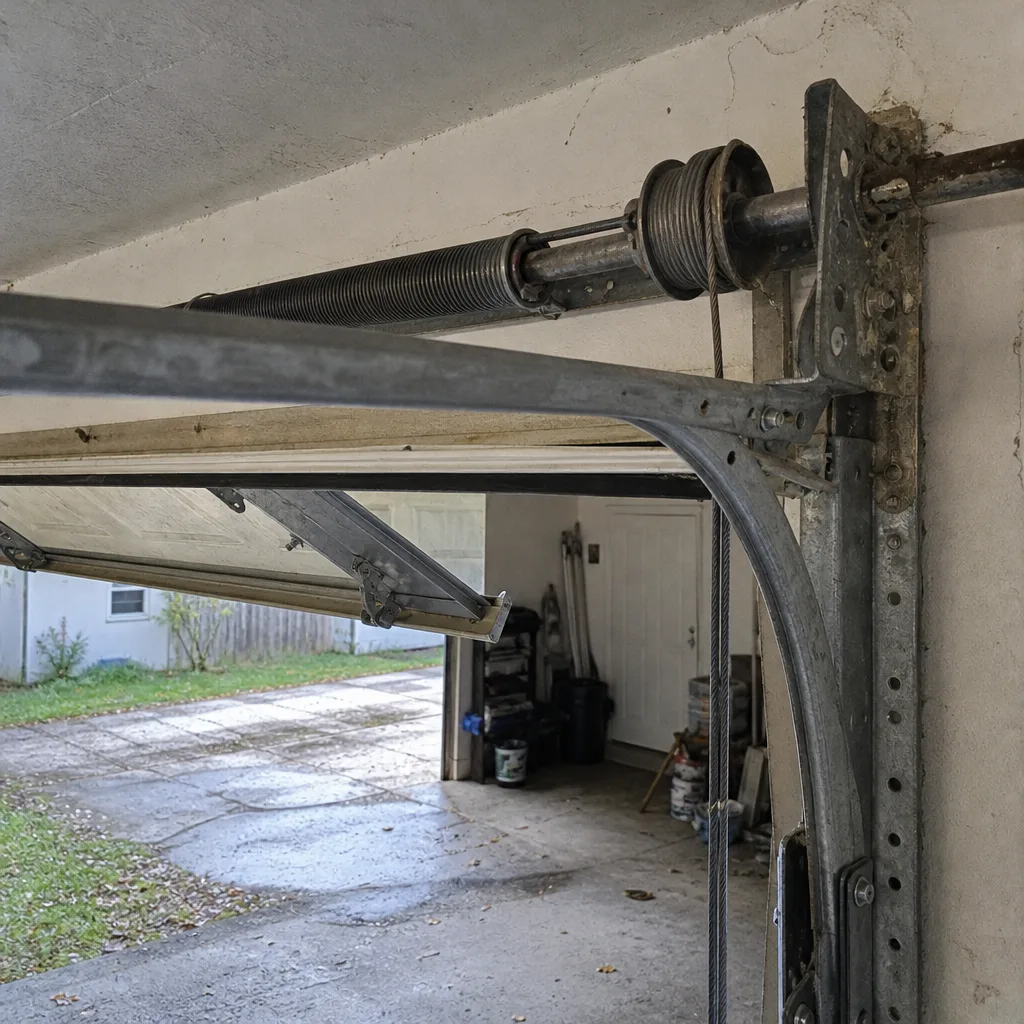 Before
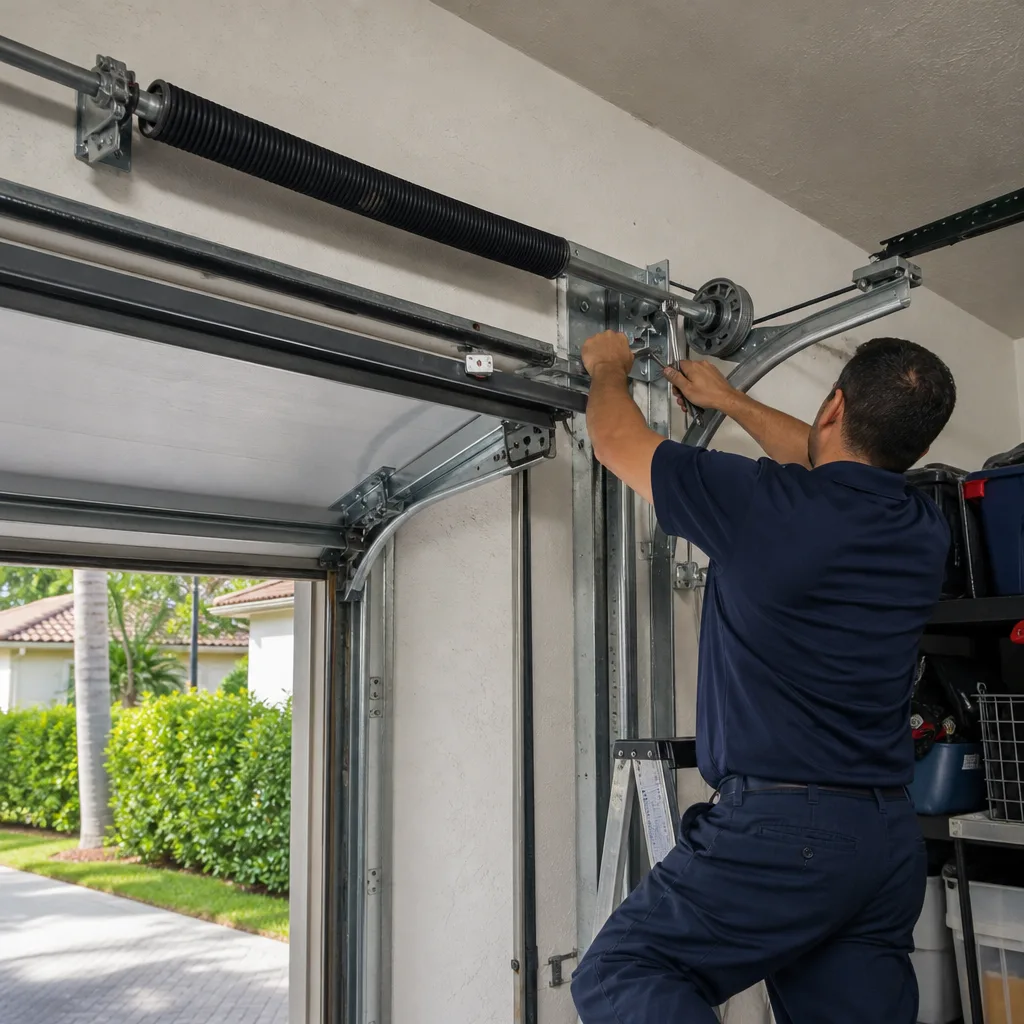 After
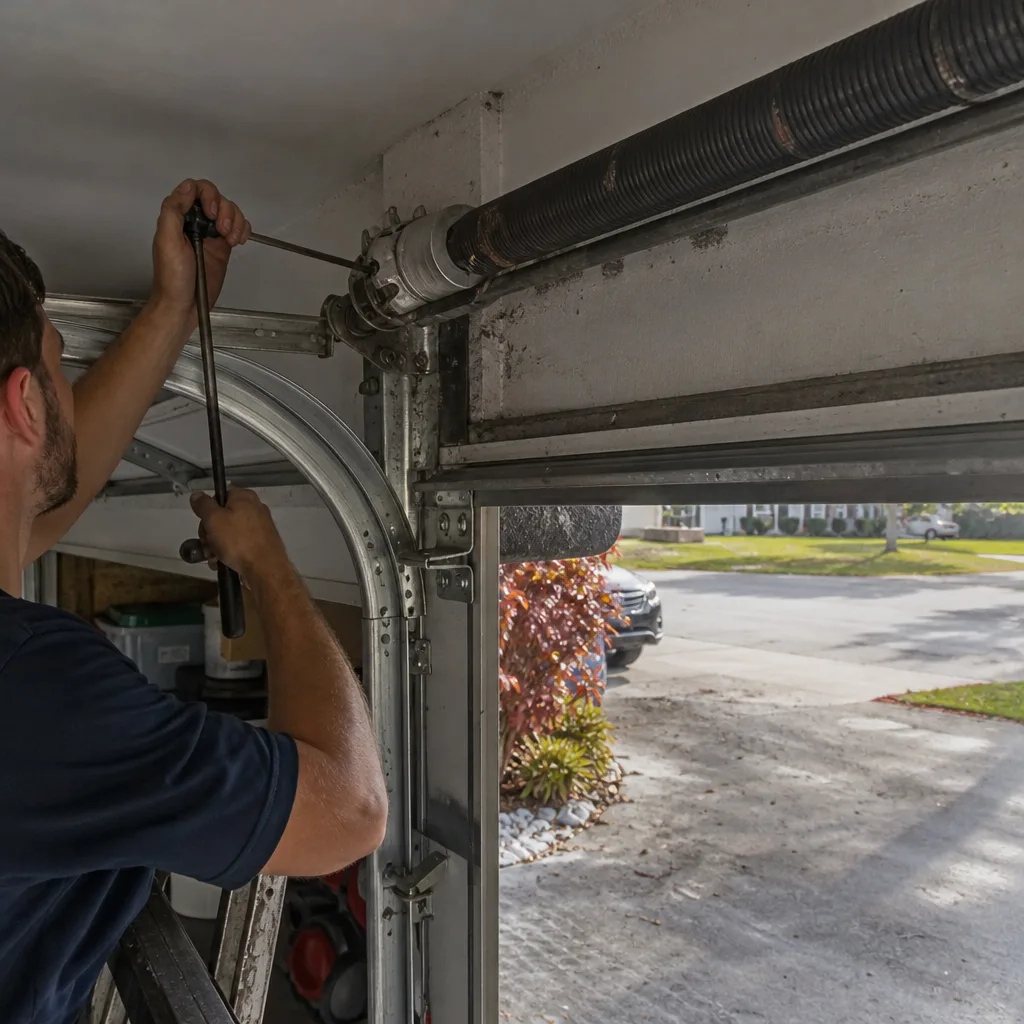 Before
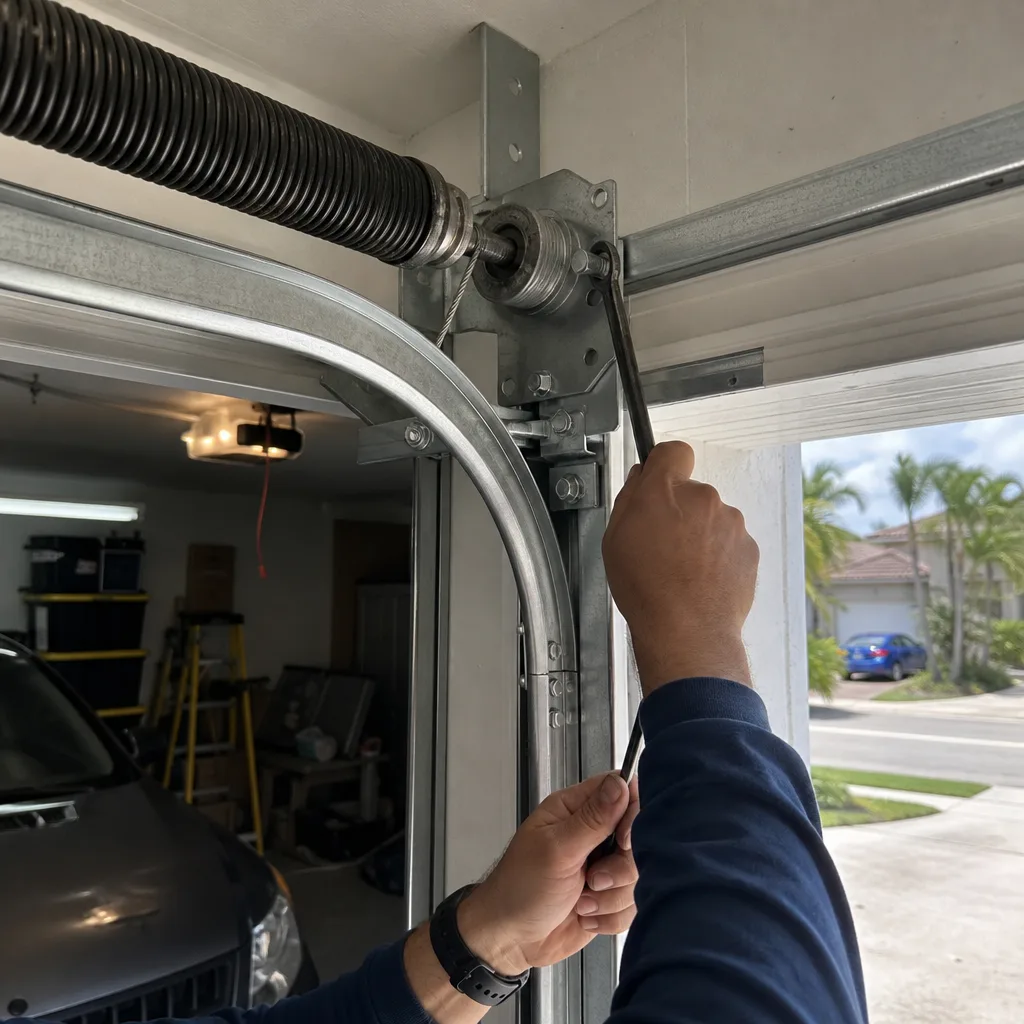 After